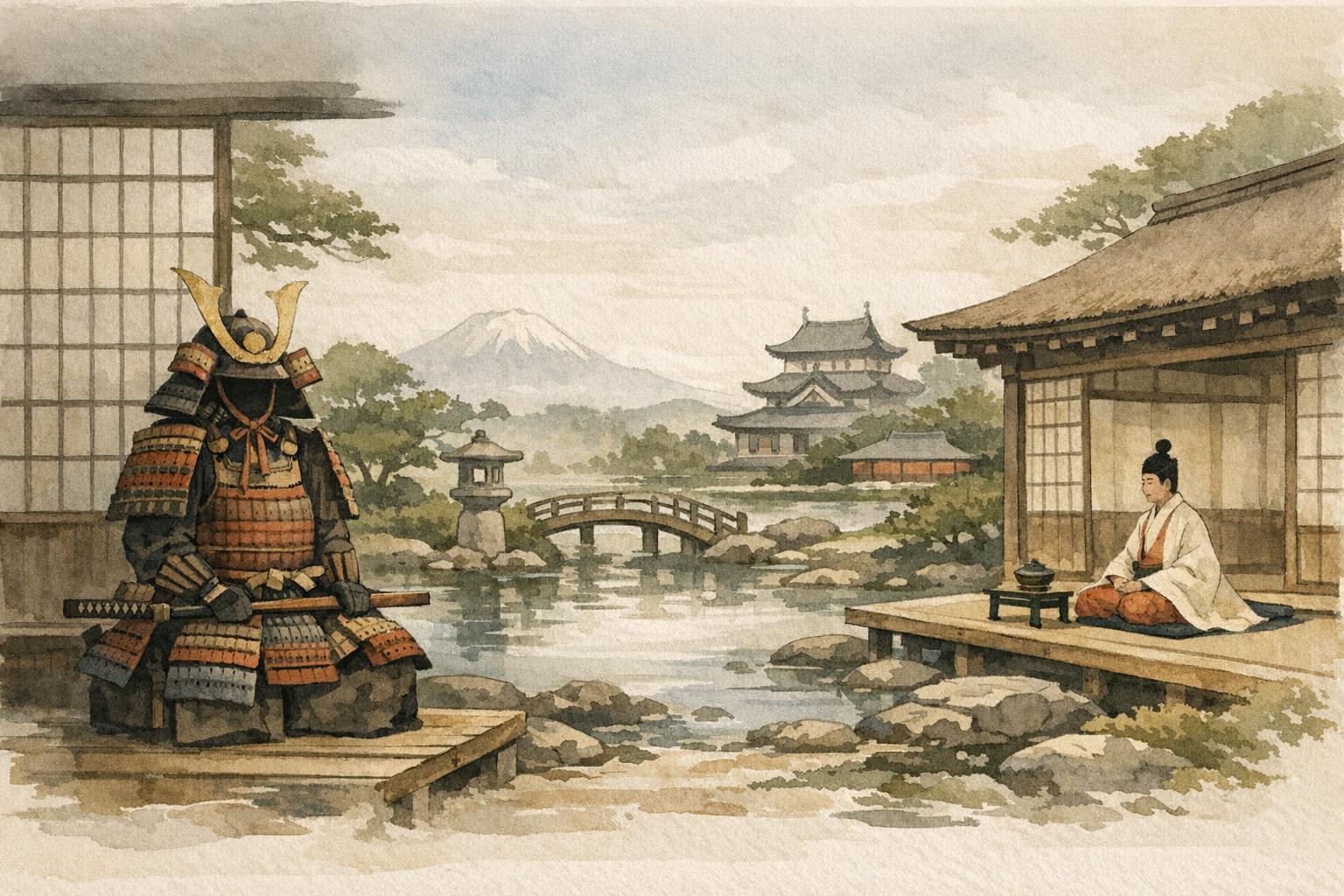
Go can look intimidating, but its cultural appeal in Japan comes from clarity of form and enormous depth growing from simple rules. For beginners, the game becomes easier once it is understood as a lesson in shape, patience, and timing rather than as pure complexity. Looking closely at ordinary routines often explains more than a list of isolated facts.
In this article, the subject is treated as part of lived Japanese culture rather than as a decorative symbol. That means paying attention to timing, space, habit, and the emotional atmosphere that grows around repeated practice.
Why the board looks simple but feels deep
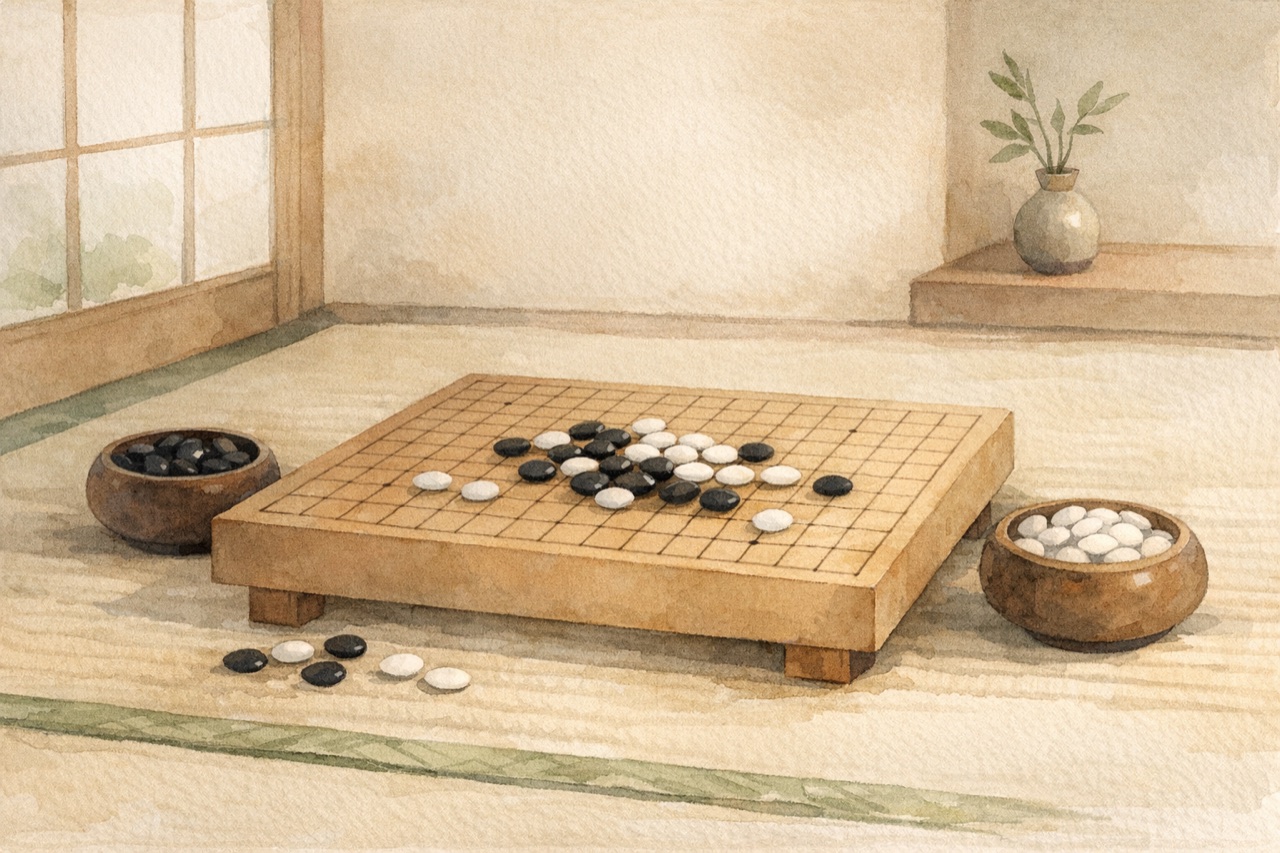
The clearest place to begin is with one practical fact. Go begins with very few rules, but those rules create a wide strategic field because every stone changes the meaning of nearby space. Beginners often improve fastest when they stop hunting brilliant moves and start noticing balance, connection, and weak shapes. The game rewards calm reading because local fights affect the whole board over time. This is where broad stereotypes usually become too thin.
There is also a social layer to notice. That relation between part and whole gives go much of its special beauty. What looks natural usually depends on learned timing, repeated exposure, and a shared sense of what fits the situation.
Territory and shape
A modest defensive move can matter more than a dramatic attack if it stabilizes the board's overall balance. Go teaches patience by making shape more important than impulse. That is often the moment when the subject stops feeling abstract and starts feeling lived.
The culture around learning go
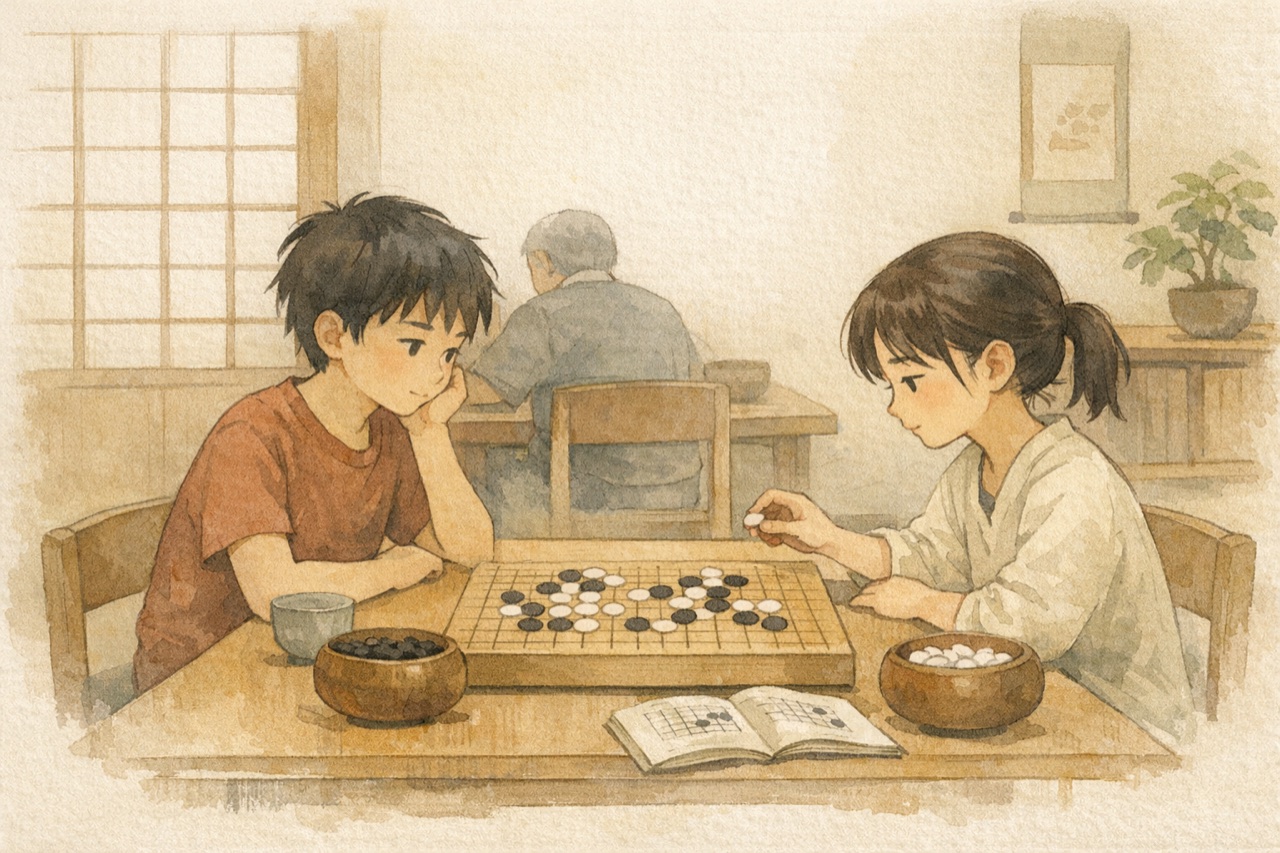
A closer look makes the pattern easier to read. In Japan, go has long been taught through review, repetition, and respectful attention to stronger players. This learning culture matters because the game is understood as something absorbed gradually rather than conquered quickly. Even casual club play often includes discussion after the game, which turns defeat into study material. The detail matters because it changes how the whole subject is understood.
There is also a social layer to notice. That atmosphere can make the game welcoming despite its intimidating reputation. What looks natural usually depends on learned timing, repeated exposure, and a shared sense of what fits the situation.
Study, review, respect
A beginner who loses many short games may still improve quickly if each game is treated as a readable lesson. Go culture survives because it makes learning itself part of the pleasure. That is often the moment when the subject stops feeling abstract and starts feeling lived.
From pastime to social space
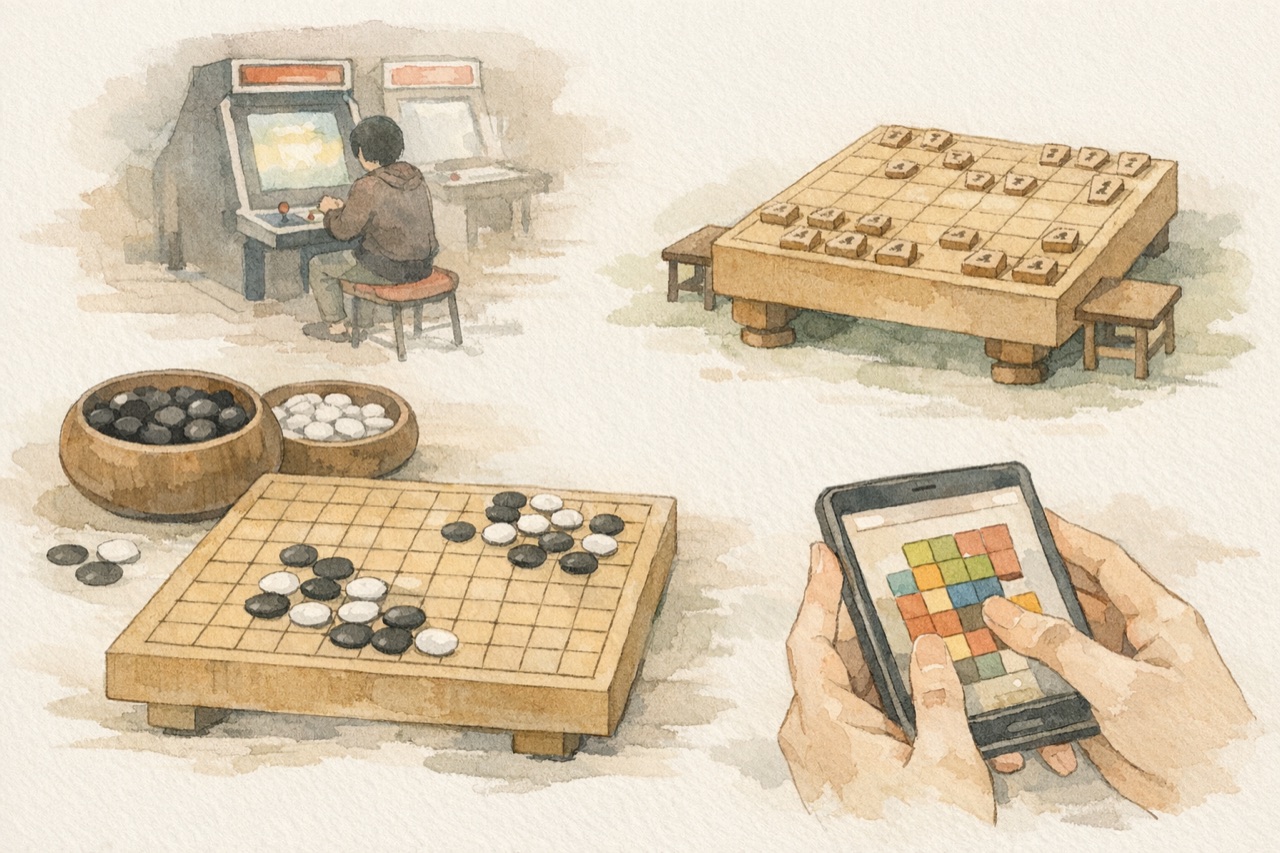
Schools, clubs, televised matches, and older traditions of study have helped preserve go as both a pastime and a disciplined art. Games in Japan often live at the border between discipline and leisure, which is why they fit so naturally into homes, clubs, arcades, bookstores, and commuting time. This is one reason the topic tends to feel ordinary to people in Japan while seeming highly distinctive to outside observers.
The game still feels modern because quiet concentration remains valuable even in faster digital environments. Continuity here does not mean the form never changes. It means newer habits often settle on top of older ways of noticing, organizing time, and sharing space.
Playing across generations
If you want to follow the same thread from another angle, see The Story of the Shoguns and Traditional and Modern Games in Japan. Placed beside one another, those essays show how one part of Japanese life opens into another.
Closing Reflection
Go lasts because it rewards slow understanding without needing spectacle. It also sits naturally beside shogi and sudoku within Japan's larger culture of thoughtful play.
Read beside essays on cities, food, and everyday practice, the subject becomes part of a wider cultural pattern rather than a separate curiosity.
Another useful way to read this subject is to notice how often it appears without announcing itself. Go can look intimidating, but its cultural appeal in Japan comes from clarity of form and enormous depth growing from simple rules. That quiet familiarity is one reason the topic can feel deeper over time instead of becoming exhausted once the basic facts are known.
It also helps to place the topic in relation to nearby subjects rather than isolating it. The essays on The Story of the Shoguns and Traditional and Modern Games in Japan show how the same cultural logic travels into adjacent parts of Japanese life.
Another useful way to read this subject is to notice how often it appears without announcing itself. Go can look intimidating, but its cultural appeal in Japan comes from clarity of form and enormous depth growing from simple rules. That quiet familiarity is one reason the topic can feel deeper over time instead of becoming exhausted once the basic facts are known.
It also helps to place the topic in relation to nearby subjects rather than isolating it. The essays on The Story of the Shoguns and Traditional and Modern Games in Japan show how the same cultural logic travels into adjacent parts of Japanese life.