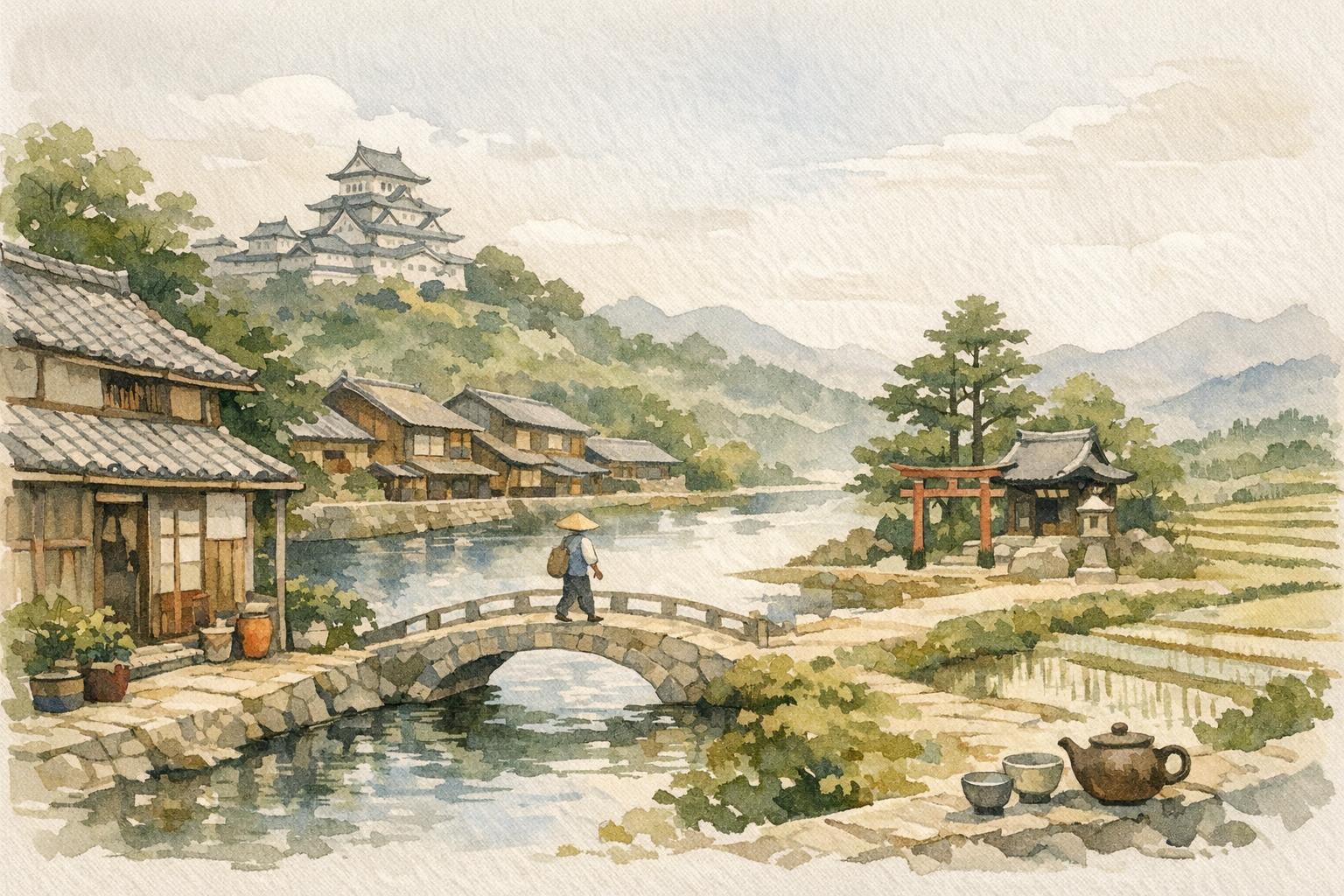
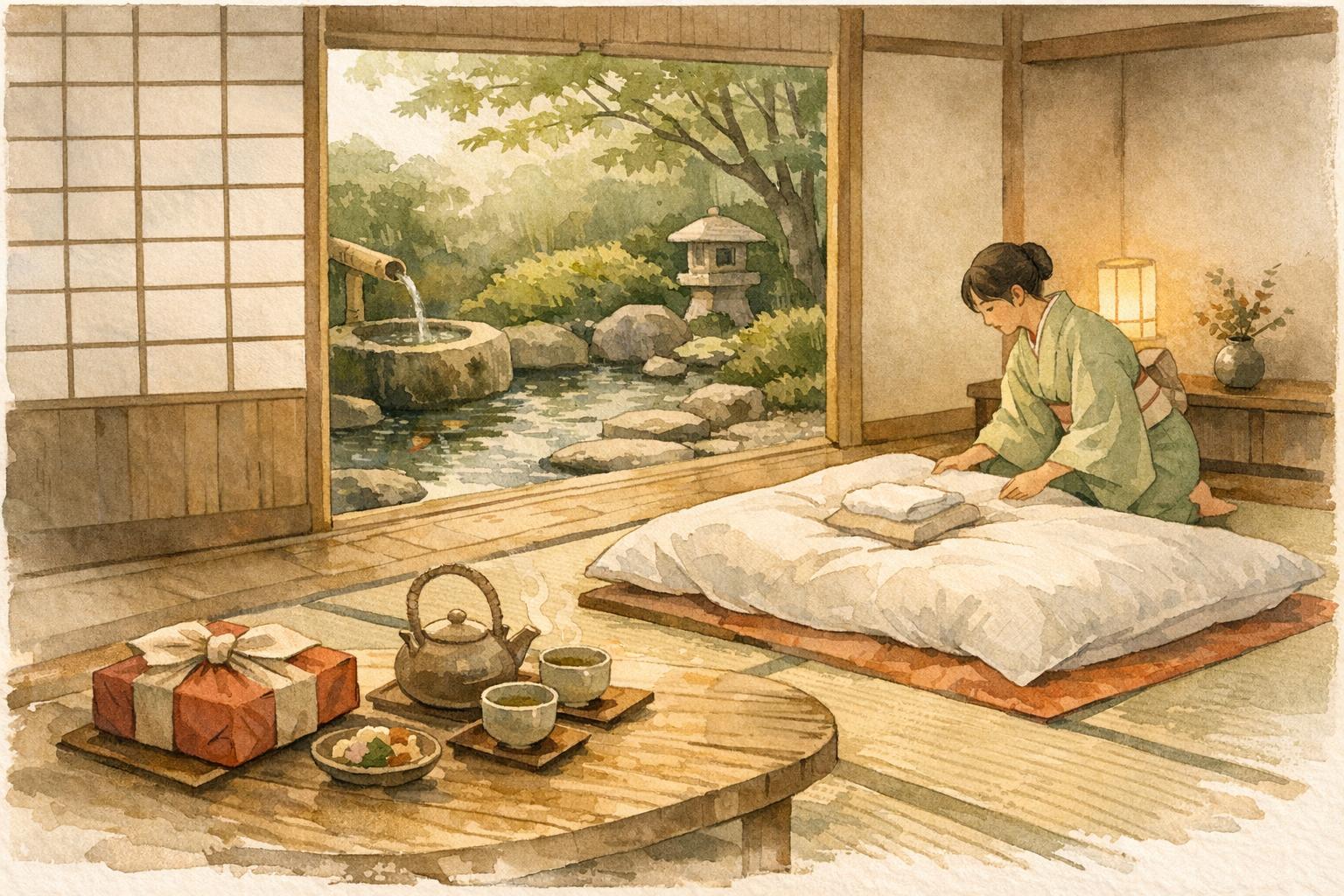
Daily life in Japan is shaped by routine more than by spectacle, which is why small repeated actions reveal so much about the culture. Looking at a simple day clarifies how commuting, meals, work, politeness, and public order connect inside one larger rhythm. Looking closely at ordinary routines often explains more than a list of isolated facts.
In this article, the subject is treated as part of lived Japanese culture rather than as a decorative symbol. That means paying attention to timing, space, habit, and the emotional atmosphere that grows around repeated practice.
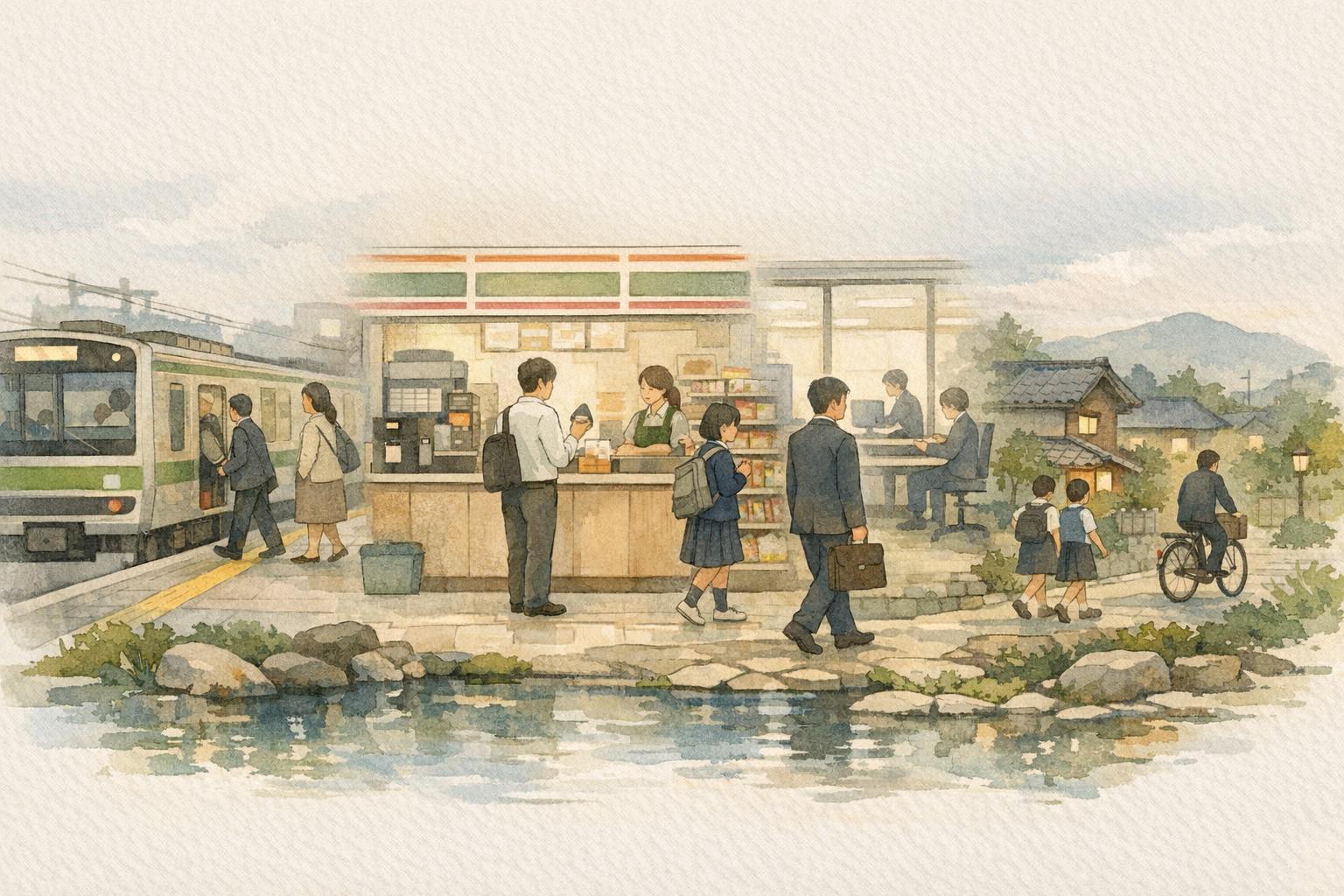
Time measured in transfers and exits
The clearest place to begin is with one practical fact. Commuting works because millions of people internalize small timing rules until they feel almost automatic. People line up, choose doors strategically, walk at known speeds, and move with an awareness that the system depends on predictability. The rhythm can feel impersonal, yet it also reduces uncertainty and helps crowded spaces remain usable. This is where broad stereotypes usually become too thin.
There is also a social layer to notice. Much of the skill lies in minimizing friction for strangers. What looks natural usually depends on learned timing, repeated exposure, and a shared sense of what fits the situation.
Routine as infrastructure
A practiced commuter knows which car to enter not only for comfort but for the fastest connection or station exit. Efficiency here is built from repeated public learning. That is often the moment when the subject stops feeling abstract and starts feeling lived.
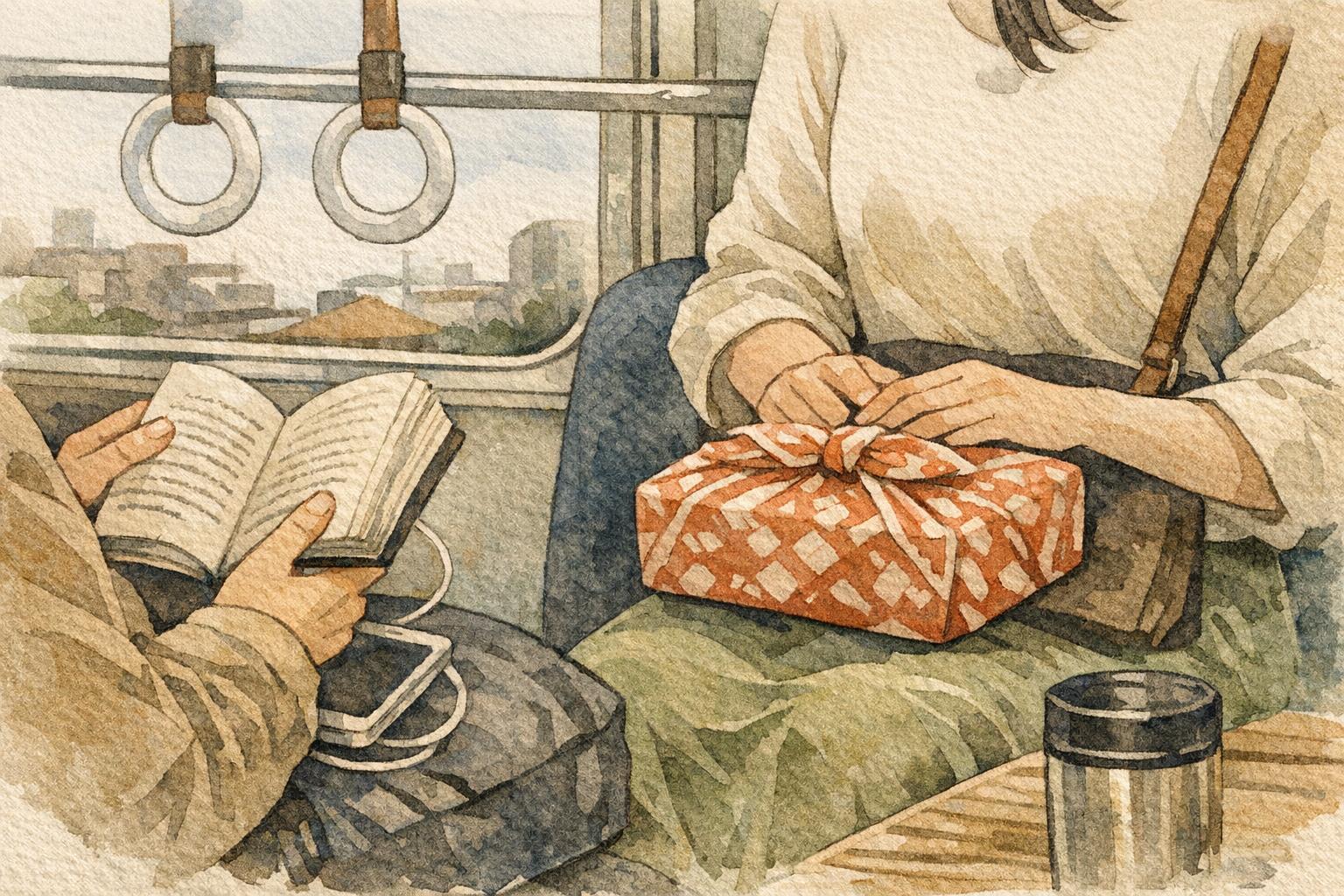
Quietness, fatigue, and personal space
A closer look makes the pattern easier to read. Because the commute can be long and dense, people create tiny private zones within public movement. Silence, lowered voices, headphones, reading, and phone use without loud sound all help preserve a thin layer of personal boundary. This quietness is not pure serenity; it often sits next to tiredness and pressure. The detail matters because it changes how the whole subject is understood.
There is also a social layer to notice. Still, the shared agreement to lower social noise makes the journey more bearable. What looks natural usually depends on learned timing, repeated exposure, and a shared sense of what fits the situation.
Small shelters inside the crowd
A phone game, short manga chapter, or closed-eyed rest can become a practical shelter between obligations. Commuting culture reveals how personal coping strategies are folded into collective etiquette. That is often the moment when the subject stops feeling abstract and starts feeling lived.
Habit, space, and adaptation
Morning trains, convenience stores, office schedules, school patterns, and evening return all show how coordination supports everyday life. Lifestyle habits in Japan often grow from practical constraints, yet they are refined until they also communicate care, self-control, and social awareness. This is one reason the topic tends to feel ordinary to people in Japan while seeming highly distinctive to outside observers.
The routine matters culturally because it makes abstract values such as punctuality, cleanliness, and consideration physically visible. Continuity here does not mean the form never changes. It means newer habits often settle on top of older ways of noticing, organizing time, and sharing space.
Ordinary routines
If you want to follow the same thread from another angle, see Hidden Places in Japan Tourists Rarely Visit and The Meaning of Omotenashi: Japanese Hospitality Explained. Placed beside one another, those essays show how one part of Japanese life opens into another.
Closing Reflection
A simple day in Japan becomes interesting when ordinary habits are treated as a structure rather than as background. The subject opens naturally onto work culture, compact homes, konbini life, and the wider discipline of moving smoothly in public.
Read beside essays on cities, food, and everyday practice, the subject becomes part of a wider cultural pattern rather than a separate curiosity.
Another useful way to read this subject is to notice how often it appears without announcing itself. Daily life in Japan is shaped by routine more than by spectacle, which is why small repeated actions reveal so much about the culture. That quiet familiarity is one reason the topic can feel deeper over time instead of becoming exhausted once the basic facts are known.
It also helps to place the topic in relation to nearby subjects rather than isolating it. The essays on Hidden Places in Japan Tourists Rarely Visit and The Meaning of Omotenashi: Japanese Hospitality Explained show how the same cultural logic travels into adjacent parts of Japanese life.
Another useful way to read this subject is to notice how often it appears without announcing itself. Daily life in Japan is shaped by routine more than by spectacle, which is why small repeated actions reveal so much about the culture. That quiet familiarity is one reason the topic can feel deeper over time instead of becoming exhausted once the basic facts are known.
It also helps to place the topic in relation to nearby subjects rather than isolating it. The essays on Hidden Places in Japan Tourists Rarely Visit and The Meaning of Omotenashi: Japanese Hospitality Explained show how the same cultural logic travels into adjacent parts of Japanese life.