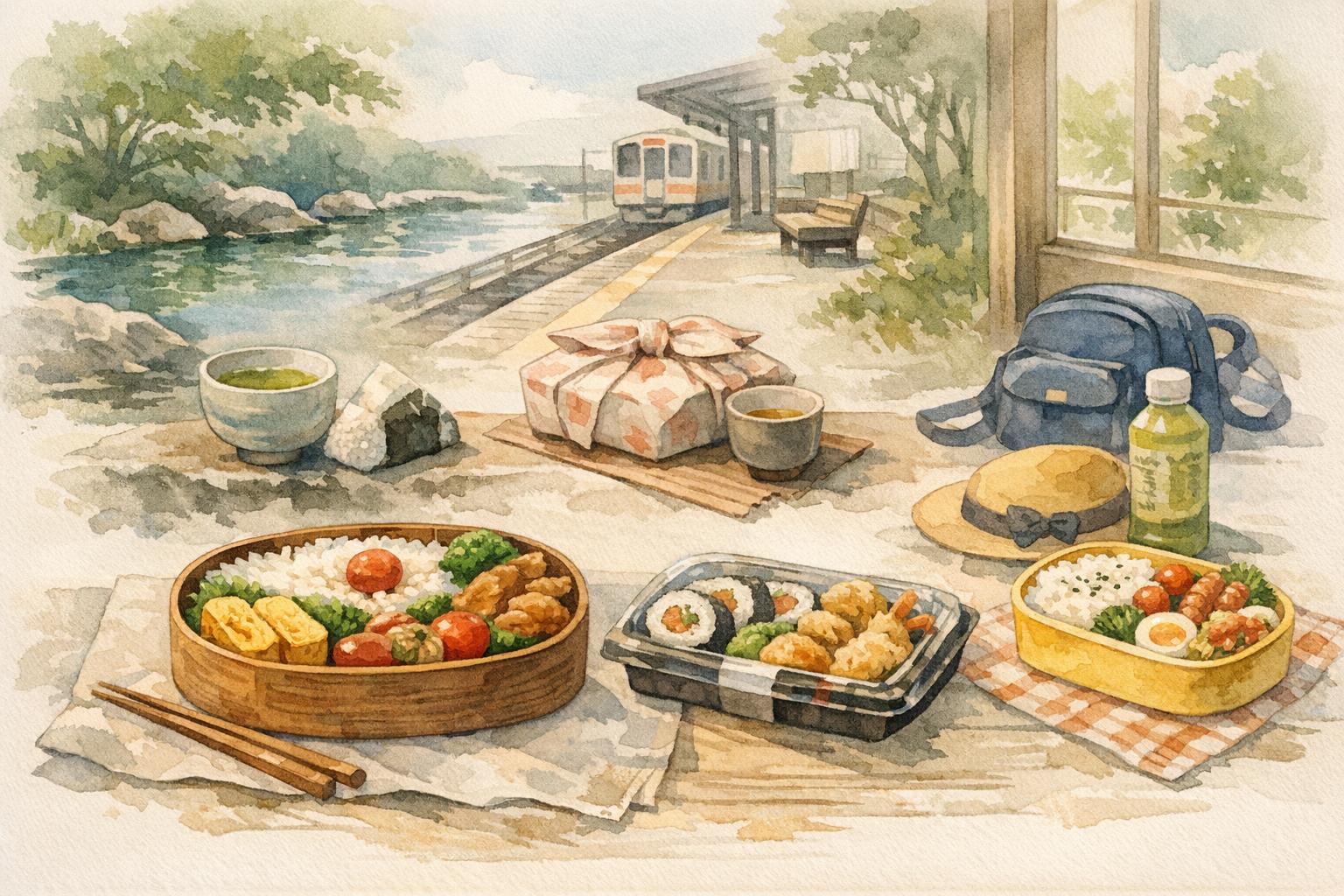
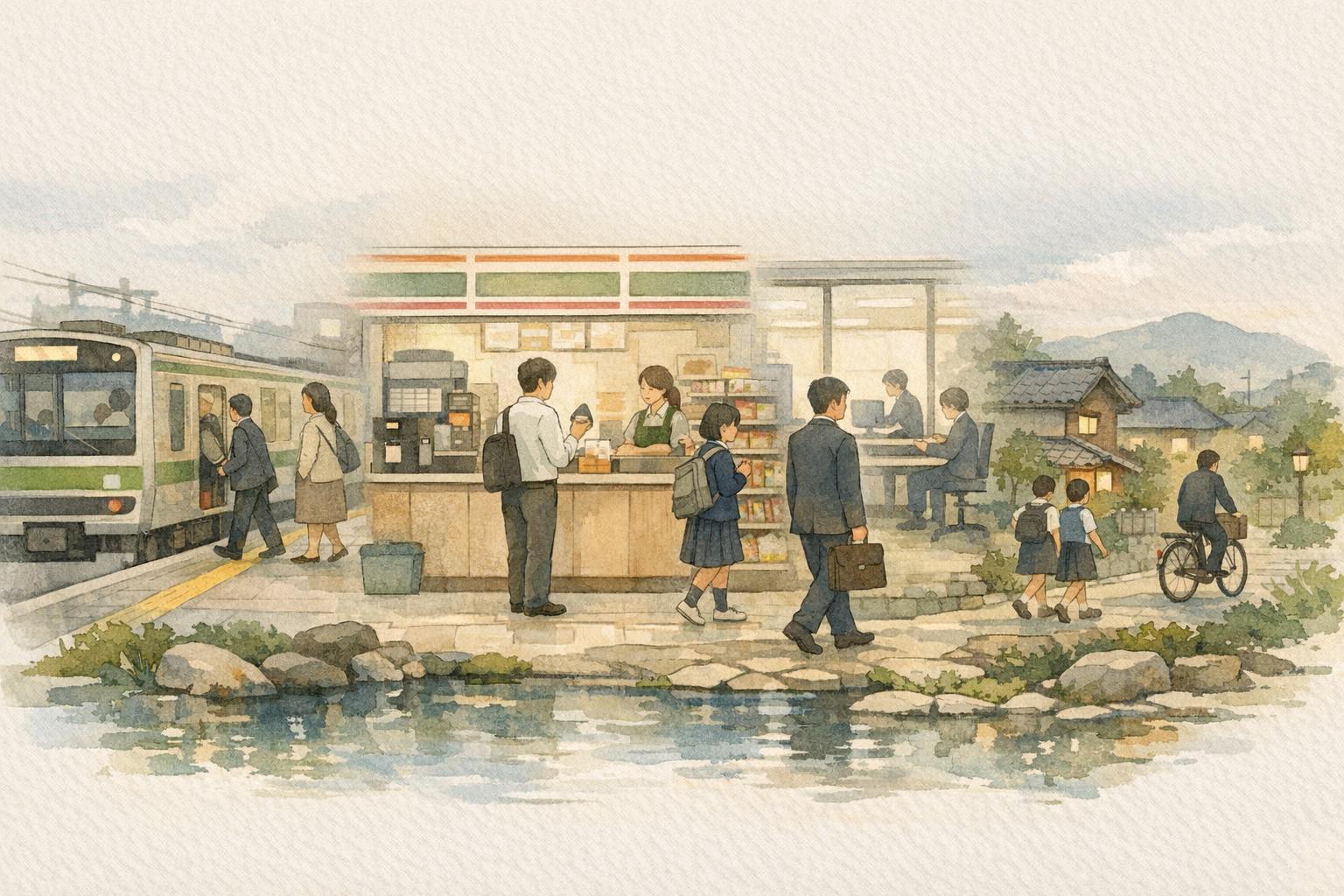
Japanese convenience stores became food icons not through glamour, but through reliability, variety, freshness, and exact attention to everyday need. They matter because they make speed feel orderly and surprisingly considerate rather than careless or purely industrial. Looking closely at ordinary routines often explains more than a list of isolated facts.
In this article, the subject is treated as part of lived Japanese culture rather than as a decorative symbol. That means paying attention to timing, space, habit, and the emotional atmosphere that grows around repeated practice.
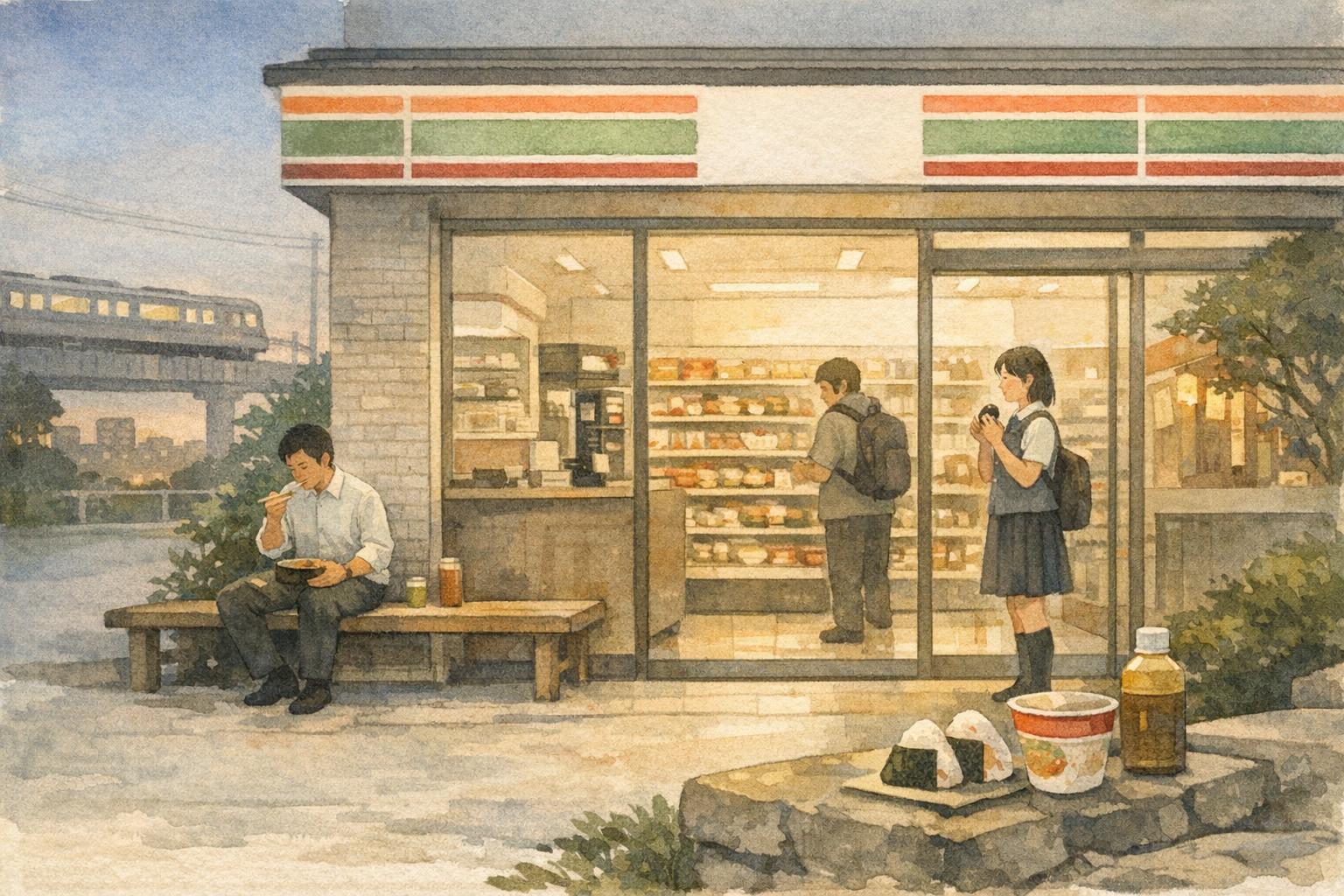
Why konbini food feels dependable
The clearest place to begin is with one practical fact. Japanese convenience stores built their reputation by making quick food feel consistent, clean, and thoughtfully packaged. That trust matters because people often rely on konbini meals during busy workdays, late-night returns, and train connections. A system that is always available still has to feel dependable if it is going to become culturally central. This is where broad stereotypes usually become too thin.
There is also a social layer to notice. In Japan, convenience succeeded because it was paired with quality control and social predictability. What looks natural usually depends on learned timing, repeated exposure, and a shared sense of what fits the situation.
Convenience does not mean carelessness
A traveler can walk into an unfamiliar neighborhood konbini and still expect the rice balls, sandwiches, or noodles to feel recognizable and competent. Reliability is one of the strongest forms of comfort in everyday food culture. That is often the moment when the subject stops feeling abstract and starts feeling lived.
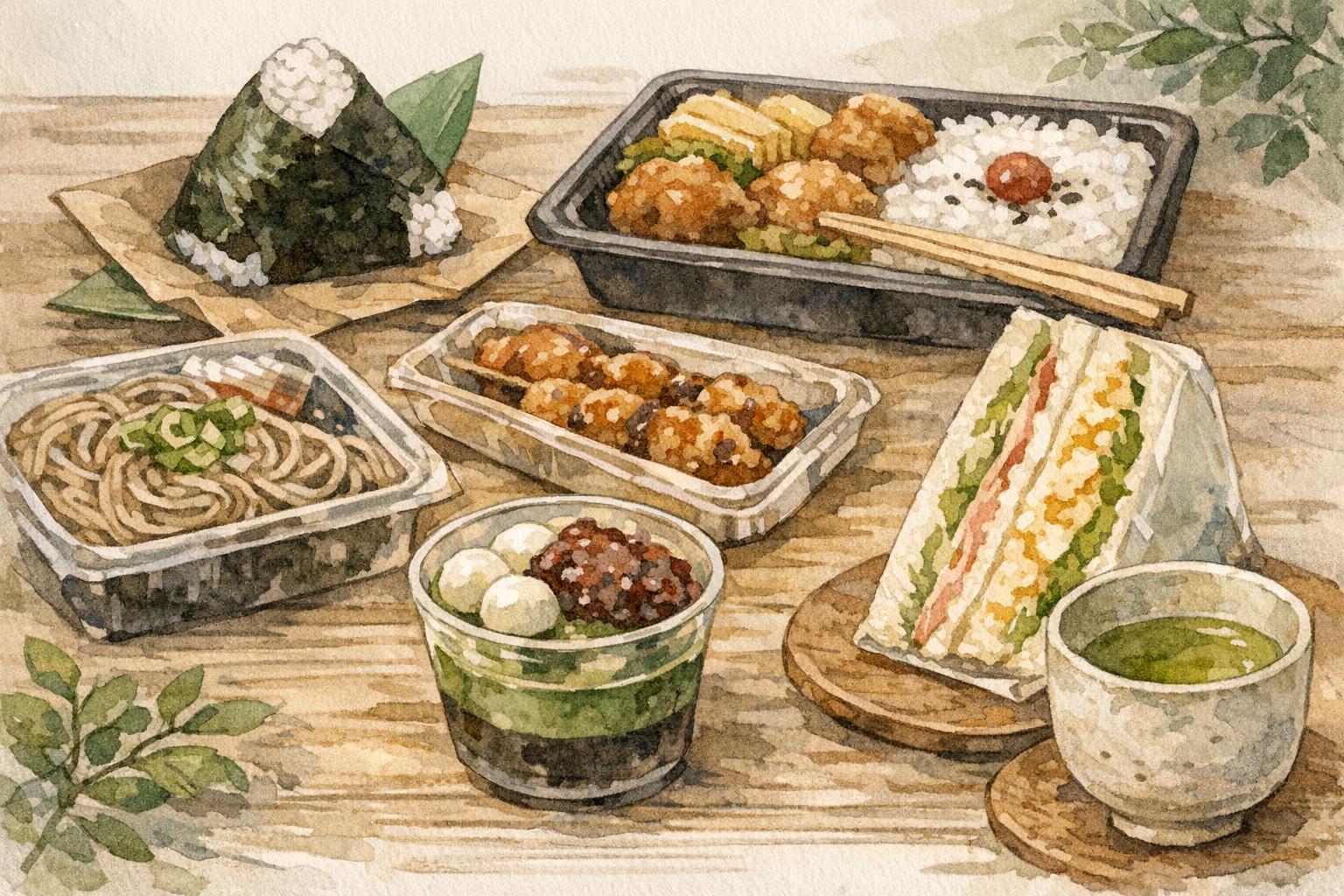
Small choices for many situations
A closer look makes the pattern easier to read. Konbini food works because the range is broad enough to match different moods, budgets, and times of day. Rice balls, salads, desserts, hot snacks, bento, and seasonal drinks allow people to adjust quickly without feeling trapped in one format. This flexibility makes the store useful to office workers, teenagers, parents, and tourists for different reasons. The detail matters because it changes how the whole subject is understood.
There is also a social layer to notice. The icon status of konbini comes partly from fitting so many small needs so well. What looks natural usually depends on learned timing, repeated exposure, and a shared sense of what fits the situation.
The shelves follow daily rhythm
A quick breakfast before a train and a late-night stop for tea and noodles both make sense in the same store without feeling strange. Food culture grows stronger when it can support many ordinary circumstances gracefully. That is often the moment when the subject stops feeling abstract and starts feeling lived.
Why konbini became part of the image of Japan
What matters first is the lived structure beneath the surface image. People talk about konbini not only because the food is practical, but because the stores represent a wider Japanese taste for order, packaging, and service. The bright shelves, regular restocking, and careful labeling turn routine errands into something culturally legible. That is why convenience stores often fascinate visitors: they seem to show a whole system of everyday care in miniature. Seen that way, the topic moves from symbol to daily habit.
There is also a social layer to notice. A humble format becomes iconic when it reflects the larger habits of the society around it. What looks natural usually depends on learned timing, repeated exposure, and a shared sense of what fits the situation.
Everyday life turned them into symbols
For many people, the first memorable meal in Japan may be a convenience-store rice ball eaten on the move rather than a formal restaurant dinner. Icons are not always luxurious; sometimes they are simply the clearest picture of daily life. That is often the moment when the subject stops feeling abstract and starts feeling lived.
Where the table meets memory
Konbini meals support commuters, students, office workers, travelers, and late-night neighborhoods, so they belong deeply to daily routine. Meals in Japan often connect convenience with formality, which is why a quick bowl, a boxed lunch, and a seasonal feast can all feel culturally dense in different ways. This is one reason the topic tends to feel ordinary to people in Japan while seeming highly distinctive to outside observers.
The format keeps its appeal because it adapts quickly while maintaining standards that people trust almost automatically. Continuity here does not mean the form never changes. It means newer habits often settle on top of older ways of noticing, organizing time, and sharing space.
Regional difference
If you want to follow the same thread from another angle, see Bento Boxes: The Art of Eating Beautifully and Daily Life in Japan: A Simple Routine Explained. Placed beside one another, those essays show how one part of Japanese life opens into another.
Closing Reflection
Looking at konbini food closely reveals how much Japanese eating depends on timing, packaging, and smooth public convenience. The subject connects naturally with bento, daily routine, and the larger question of what makes Japanese food culture feel so distinctive.
Read beside essays on cities, food, and everyday practice, the subject becomes part of a wider cultural pattern rather than a separate curiosity.