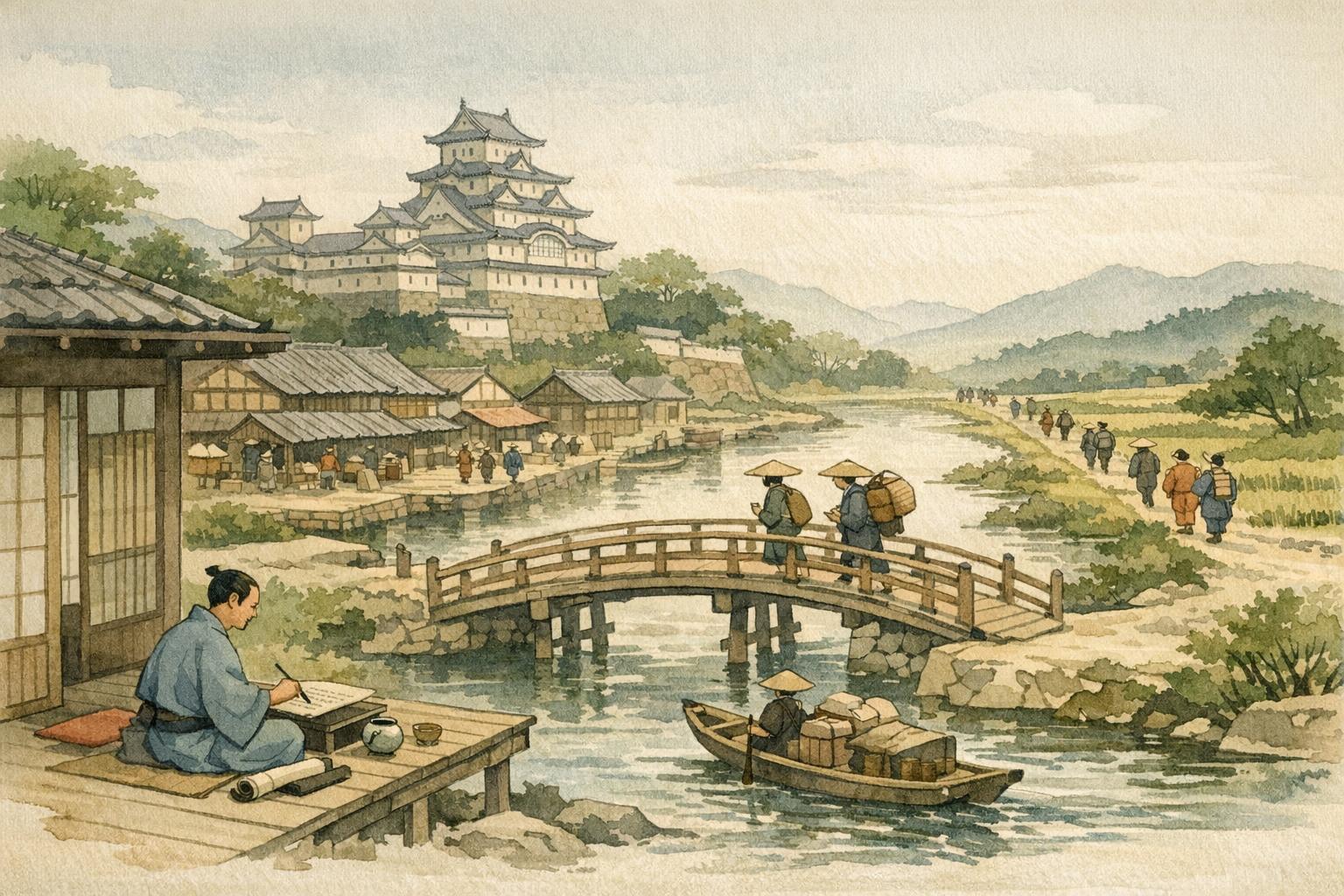
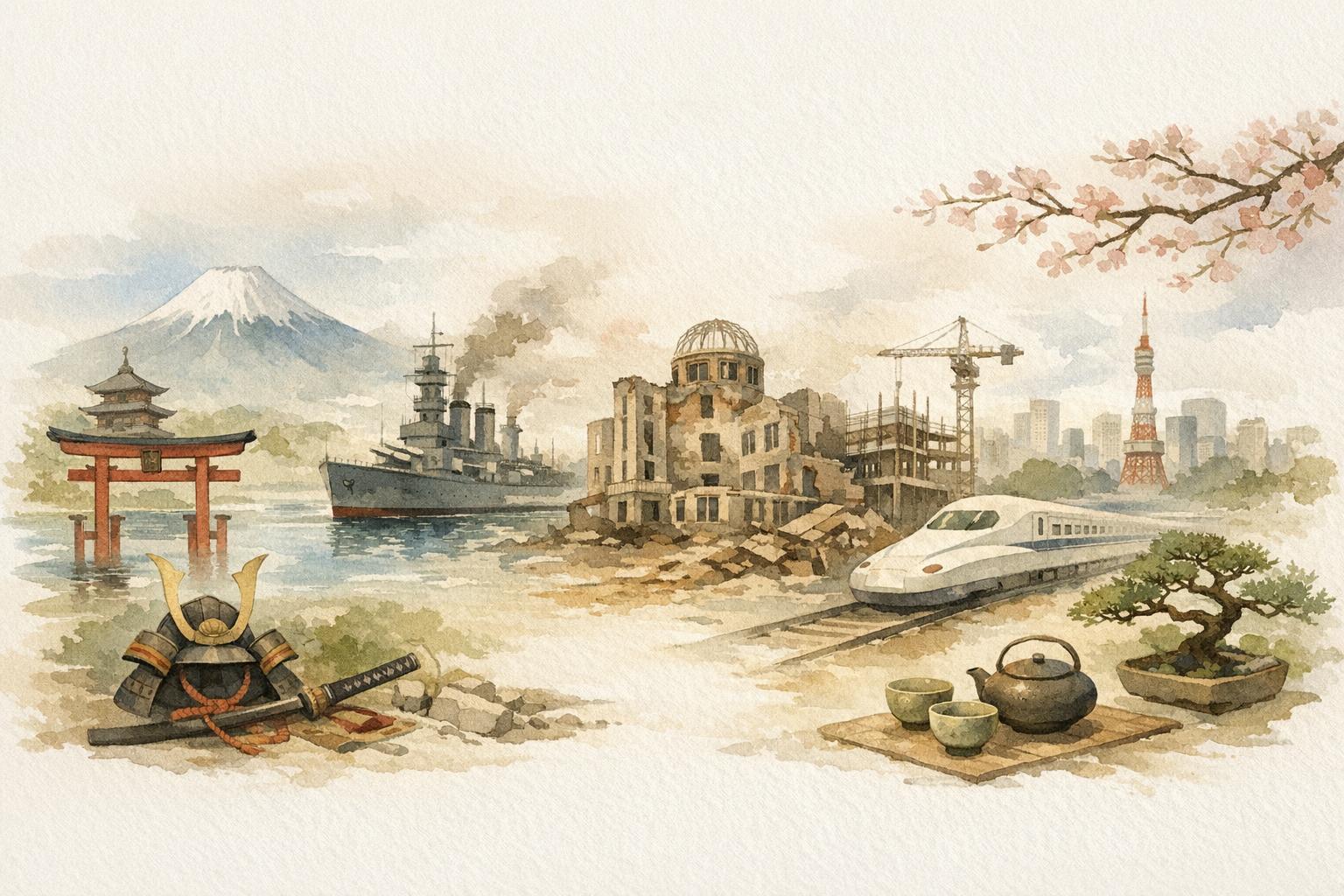
Japan modernized quickly because political reform, industrial ambition, military pressure, and educational expansion were all pushed at once. The speed is striking, but it becomes clearer when modernization is seen as an organized national project rather than a spontaneous leap. Looking closely at ordinary routines often explains more than a list of isolated facts.
In this article, the subject is treated as part of lived Japanese culture rather than as a decorative symbol. That means paying attention to timing, space, habit, and the emotional atmosphere that grows around repeated practice.
Modernization at unusual speed
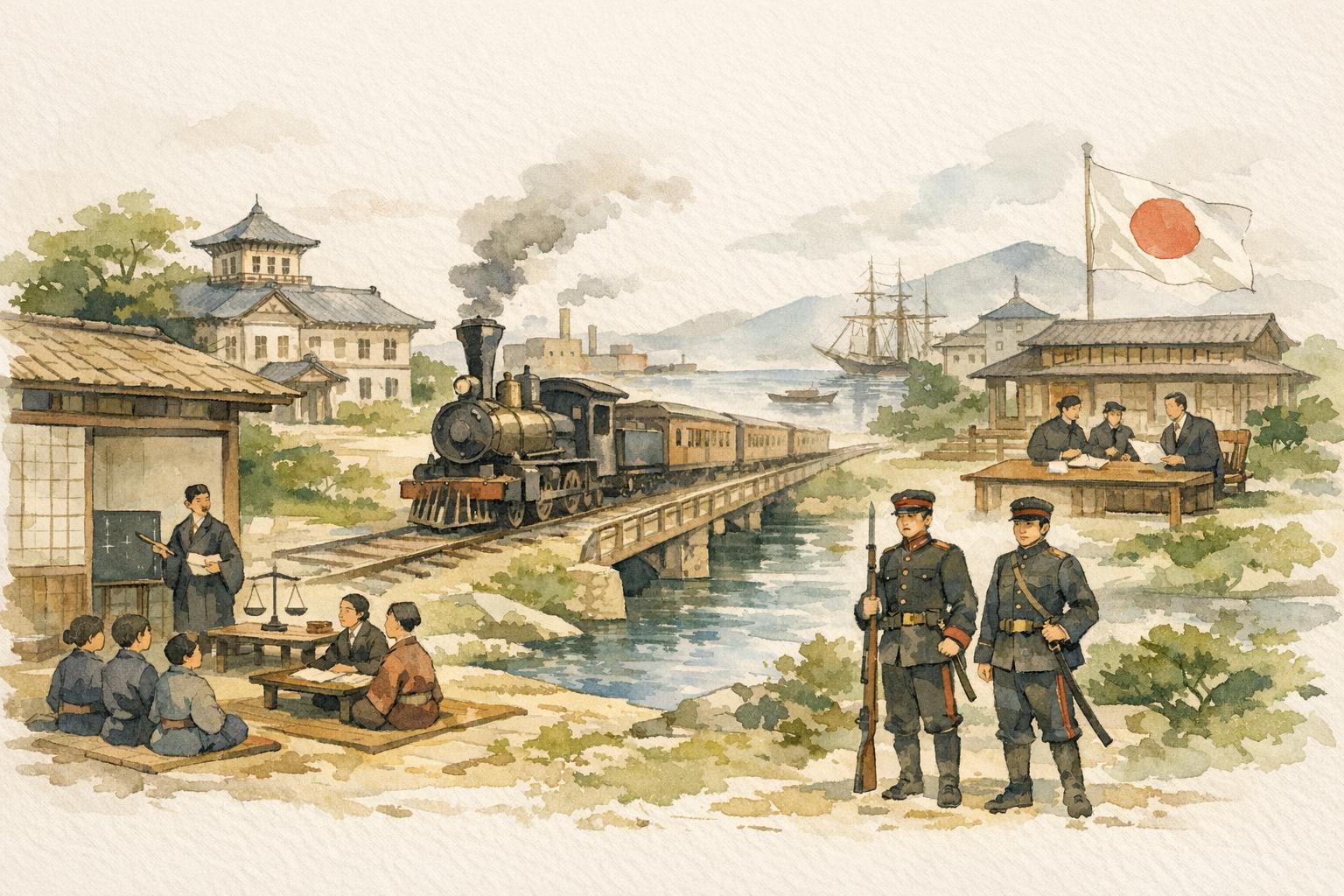
The clearest place to begin is with one practical fact. Meiji reform changed Japan quickly because leaders treated modernization as urgent state survival rather than slow cultural experiment. Schools, conscription, ministries, new taxes, and transport networks all expanded the reach of the central government. Ordinary people encountered modernization through rules, uniforms, paperwork, travel, and the language of national improvement. This is where broad stereotypes usually become too thin.
There is also a social layer to notice. The scale of change could feel exciting, disruptive, and unequal at the same time. What looks natural usually depends on learned timing, repeated exposure, and a shared sense of what fits the situation.
New institutions, new expectations
A village household might suddenly feel the state more directly through schooling and military obligation than ever before. Modernity arrived not only in ideas but in repeated practical demands. That is often the moment when the subject stops feeling abstract and starts feeling lived.
What was lost and what was remade
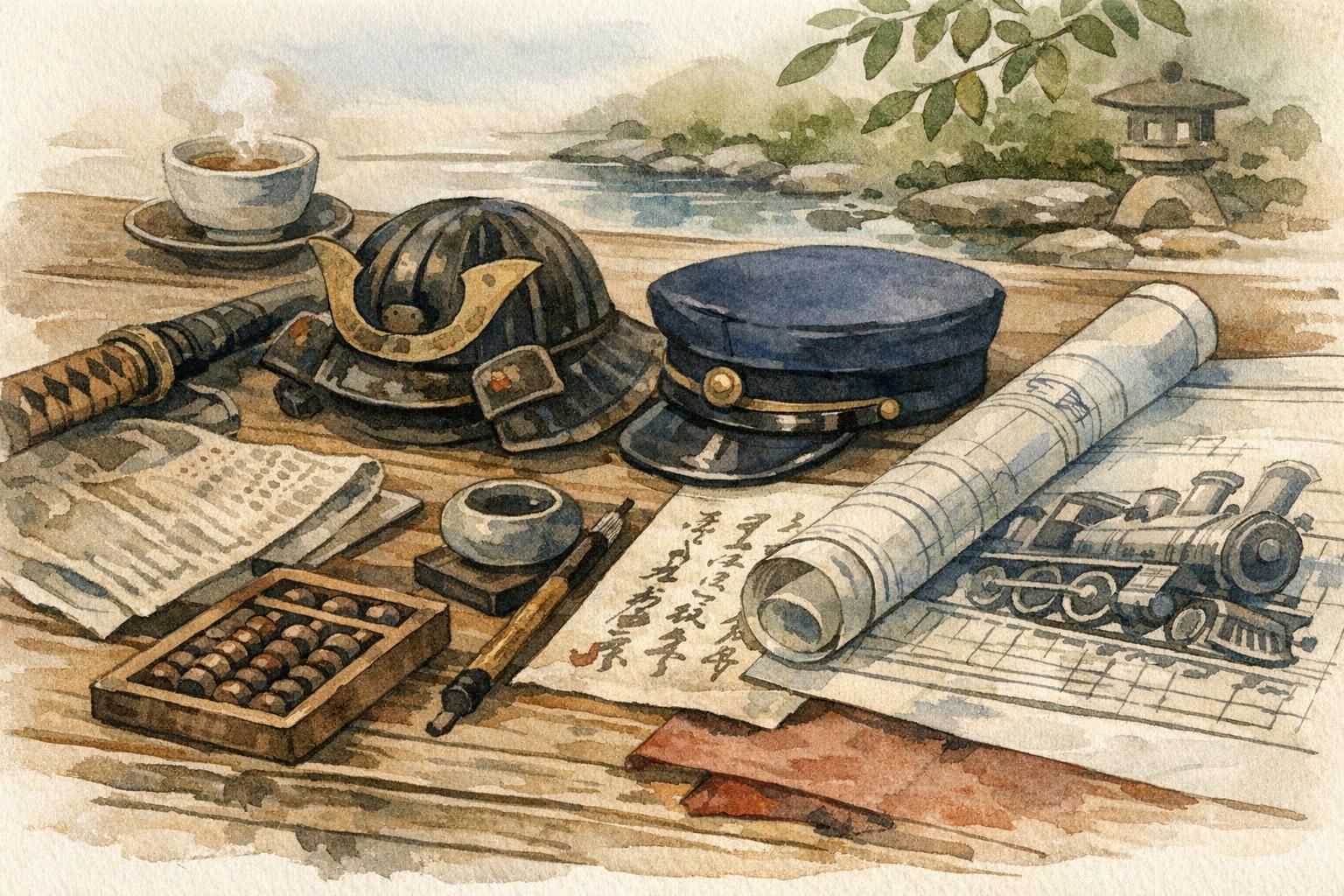
A closer look makes the pattern easier to read. The Restoration did not simply add new technology; it also dismantled old status structures and forced older identities to shift. Samurai privilege faded, new career paths emerged, and the meaning of loyalty moved from domain to nation. At the same time, reformers often relied on older cultural discipline to carry the modern project forward. The detail matters because it changes how the whole subject is understood.
There is also a social layer to notice. This mixture of rupture and continuity is why Meiji remains so important to understanding Japan. What looks natural usually depends on learned timing, repeated exposure, and a shared sense of what fits the situation.
Reform beyond the slogan
A modern school system could feel radically new while still depending on familiar ideas of study and duty. The period was transformative because it remade the frame without erasing every older habit inside it. That is often the moment when the subject stops feeling abstract and starts feeling lived.
Why the period still matters
Railways, schools, legal change, military reform, and new bureaucratic structures altered everyday life within a remarkably short period. Japanese history is often encountered through schools, museums, ceremonies, and place names, so the past remains embedded in ordinary vocabulary and public space. This is one reason the topic tends to feel ordinary to people in Japan while seeming highly distinctive to outside observers.
Its consequences remain visible because modern Japan still carries institutions and assumptions first stabilized during this transition. Continuity here does not mean the form never changes. It means newer habits often settle on top of older ways of noticing, organizing time, and sharing space.
History in everyday language
If you want to follow the same thread from another angle, see The Edo Period: When Japan Closed Itself to the World and Key Moments That Shaped Modern Japan. Placed beside one another, those essays show how one part of Japanese life opens into another.
Closing Reflection
Looking at modernization in everyday terms shows how large state projects eventually become ordinary habits. The subject opens naturally onto the Edo inheritance, the story of the shoguns, and the key turning points that shaped modern Japan.
Read beside essays on cities, food, and everyday practice, the subject becomes part of a wider cultural pattern rather than a separate curiosity.
Another useful way to read this subject is to notice how often it appears without announcing itself. Japan modernized quickly because political reform, industrial ambition, military pressure, and educational expansion were all pushed at once. That quiet familiarity is one reason the topic can feel deeper over time instead of becoming exhausted once the basic facts are known.
It also helps to place the topic in relation to nearby subjects rather than isolating it. The essays on The Edo Period: When Japan Closed Itself to the World and Key Moments That Shaped Modern Japan show how the same cultural logic travels into adjacent parts of Japanese life.
Another useful way to read this subject is to notice how often it appears without announcing itself. Japan modernized quickly because political reform, industrial ambition, military pressure, and educational expansion were all pushed at once. That quiet familiarity is one reason the topic can feel deeper over time instead of becoming exhausted once the basic facts are known.
It also helps to place the topic in relation to nearby subjects rather than isolating it. The essays on The Edo Period: When Japan Closed Itself to the World and Key Moments That Shaped Modern Japan show how the same cultural logic travels into adjacent parts of Japanese life.