Japanese festivals remain vivid not because they are preserved as museum pieces, but because they still gather neighborhoods around season, memory, and shared movement. Matsuri matter because they join ritual, food, sound, costume, and place into one public form of belonging. Looking closely at ordinary routines often explains more than a list of isolated facts.
In this article, the subject is treated as part of lived Japanese culture rather than as a decorative symbol. That means paying attention to timing, space, habit, and the emotional atmosphere that grows around repeated practice.
Memory through ritual action
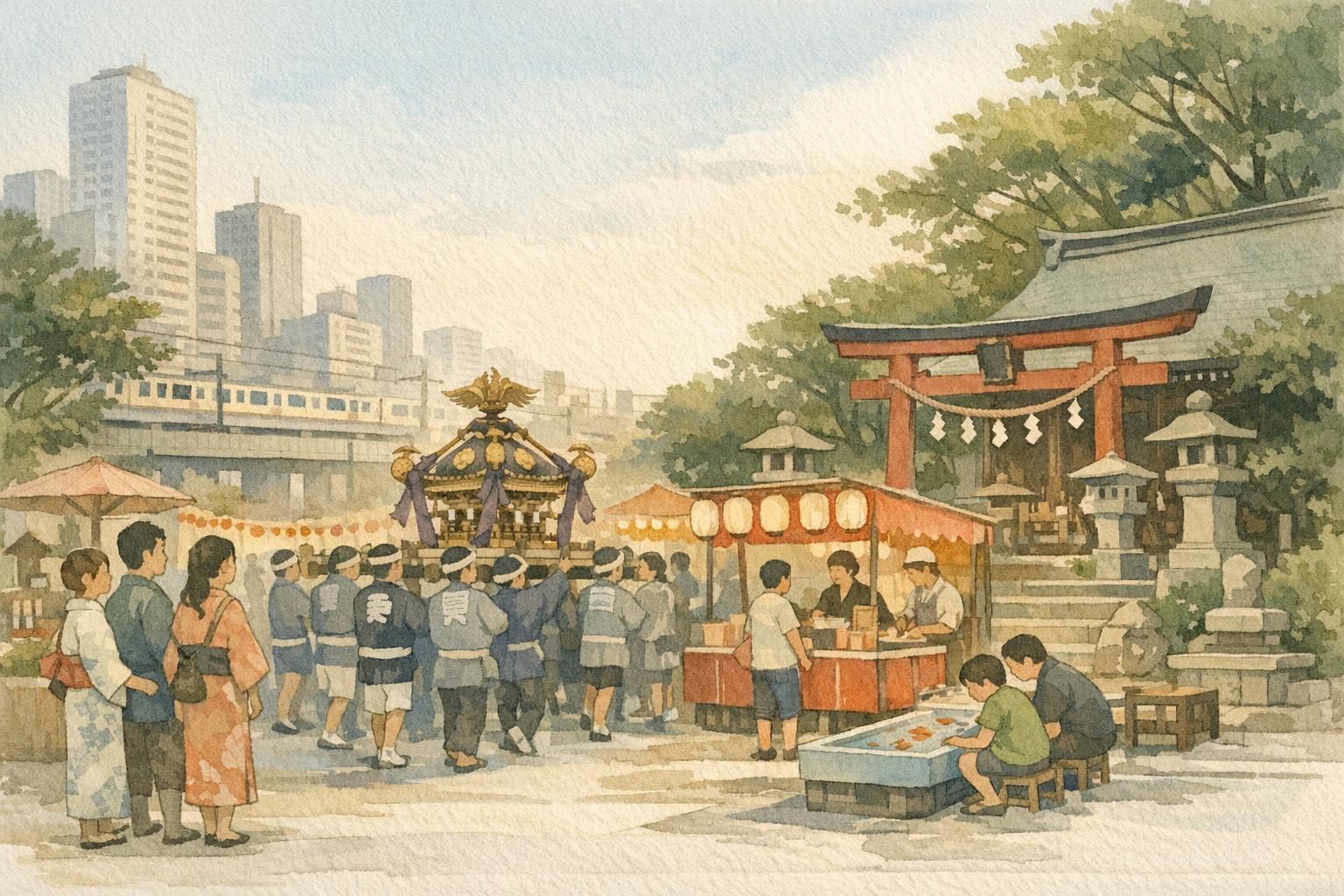
The clearest place to begin is with one practical fact. Obon gives memory a physical form through tasks that make remembrance visible in the home and in public space. Families clean graves, prepare offerings, and often return to hometowns, turning abstract respect into repeated bodily acts. These routines matter because they create continuity between generations without requiring elaborate speech. This is where broad stereotypes usually become too thin.
There is also a social layer to notice. Action becomes the language of remembrance. What looks natural usually depends on learned timing, repeated exposure, and a shared sense of what fits the situation.
Cleaning, offering, return
Even a simple visit and a small offering can carry deep emotional weight because it repeats family rhythm. Obon keeps memory alive by asking people to move, prepare, and gather. That is often the moment when the subject stops feeling abstract and starts feeling lived.
A household ritual with public echoes
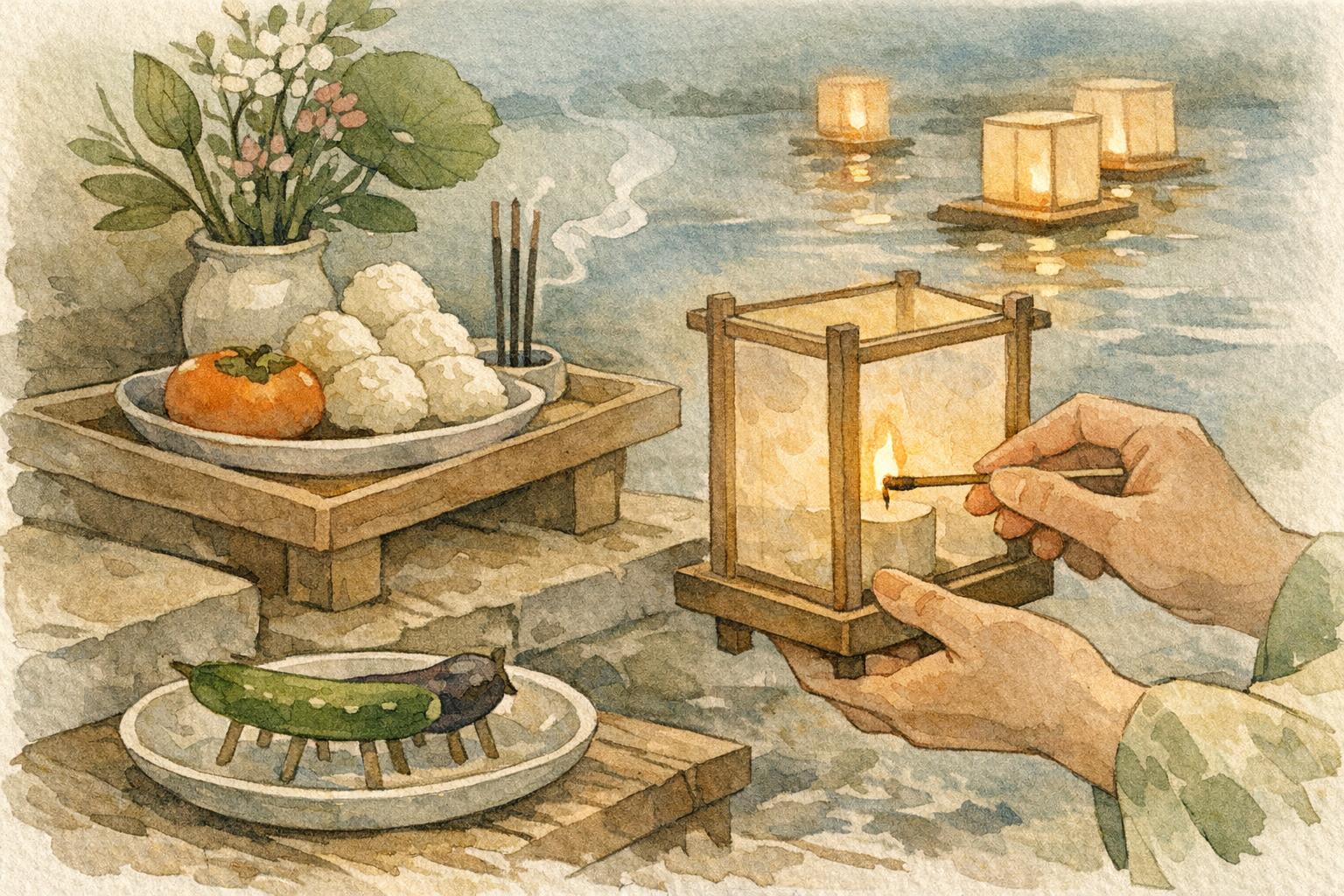
A closer look makes the pattern easier to read. Although Obon centers on family, it also spills outward into neighborhood dances, lanterns, and local summer atmosphere. Bon odori and related events let remembrance share space with reunion and seasonal festivity. This blend makes the tradition emotionally complex: solemnity is present, but it does not cancel warmth or joy. The detail matters because it changes how the whole subject is understood.
There is also a social layer to notice. The dead are remembered through a living social body. What looks natural usually depends on learned timing, repeated exposure, and a shared sense of what fits the situation.
Dance, summer, community
A town square filled with dance can still feel tied to ancestral memory rather than separate from it. Obon lasts because it joins private feeling to public repetition. That is often the moment when the subject stops feeling abstract and starts feeling lived.
How the idea travels through daily life
From major city festivals to local shrine events, the custom keeps old symbols active within modern schedules and streets. Much of Japanese culture becomes visible through repetition rather than through declaration, so small gestures often carry more meaning than formal explanation. This is one reason the topic tends to feel ordinary to people in Japan while seeming highly distinctive to outside observers.
The form stays alive because each festival offers a recurring moment when local identity becomes visible and physically shared. Continuity here does not mean the form never changes. It means newer habits often settle on top of older ways of noticing, organizing time, and sharing space.
Quiet repetition
If you want to follow the same thread from another angle, see The Art of Gift Giving in Japan and Life in Small Japanese Towns vs Big Cities. Placed beside one another, those essays show how one part of Japanese life opens into another.
Closing Reflection
Looking at matsuri closely shows how tradition can remain public, joyful, and socially useful at the same time. The topic opens onto religion in daily life, seasonal feeling, and the continuing importance of neighborhood memory in Japan.
Read beside essays on cities, food, and everyday practice, the subject becomes part of a wider cultural pattern rather than a separate curiosity.
Another useful way to read this subject is to notice how often it appears without announcing itself. Japanese festivals remain vivid not because they are preserved as museum pieces, but because they still gather neighborhoods around season, memory, and shared movement. That quiet familiarity is one reason the topic can feel deeper over time instead of becoming exhausted once the basic facts are known.
It also helps to place the topic in relation to nearby subjects rather than isolating it. The essays on The Art of Gift Giving in Japan and Life in Small Japanese Towns vs Big Cities show how the same cultural logic travels into adjacent parts of Japanese life.
Another useful way to read this subject is to notice how often it appears without announcing itself. Japanese festivals remain vivid not because they are preserved as museum pieces, but because they still gather neighborhoods around season, memory, and shared movement. That quiet familiarity is one reason the topic can feel deeper over time instead of becoming exhausted once the basic facts are known.
It also helps to place the topic in relation to nearby subjects rather than isolating it. The essays on The Art of Gift Giving in Japan and Life in Small Japanese Towns vs Big Cities show how the same cultural logic travels into adjacent parts of Japanese life.