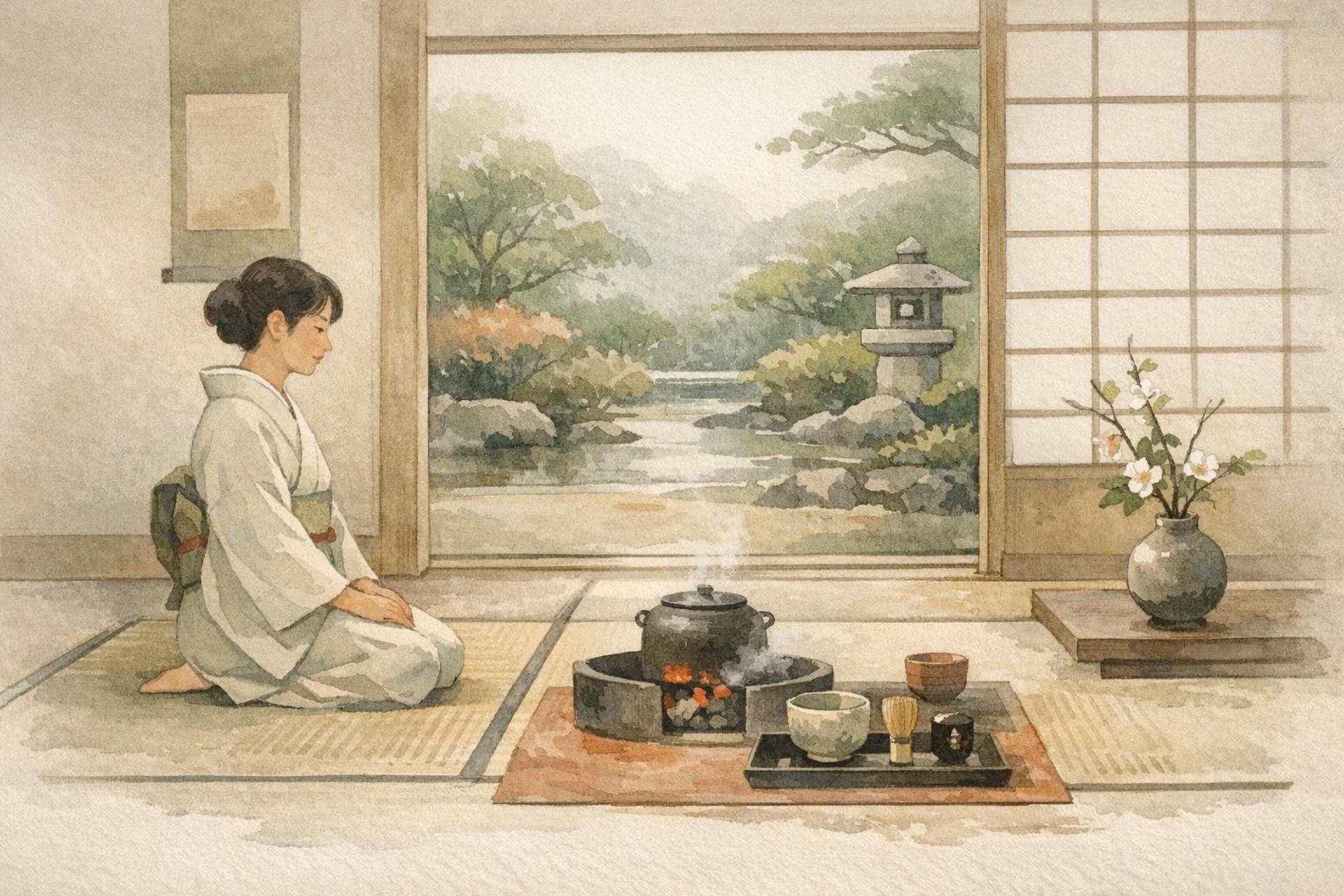
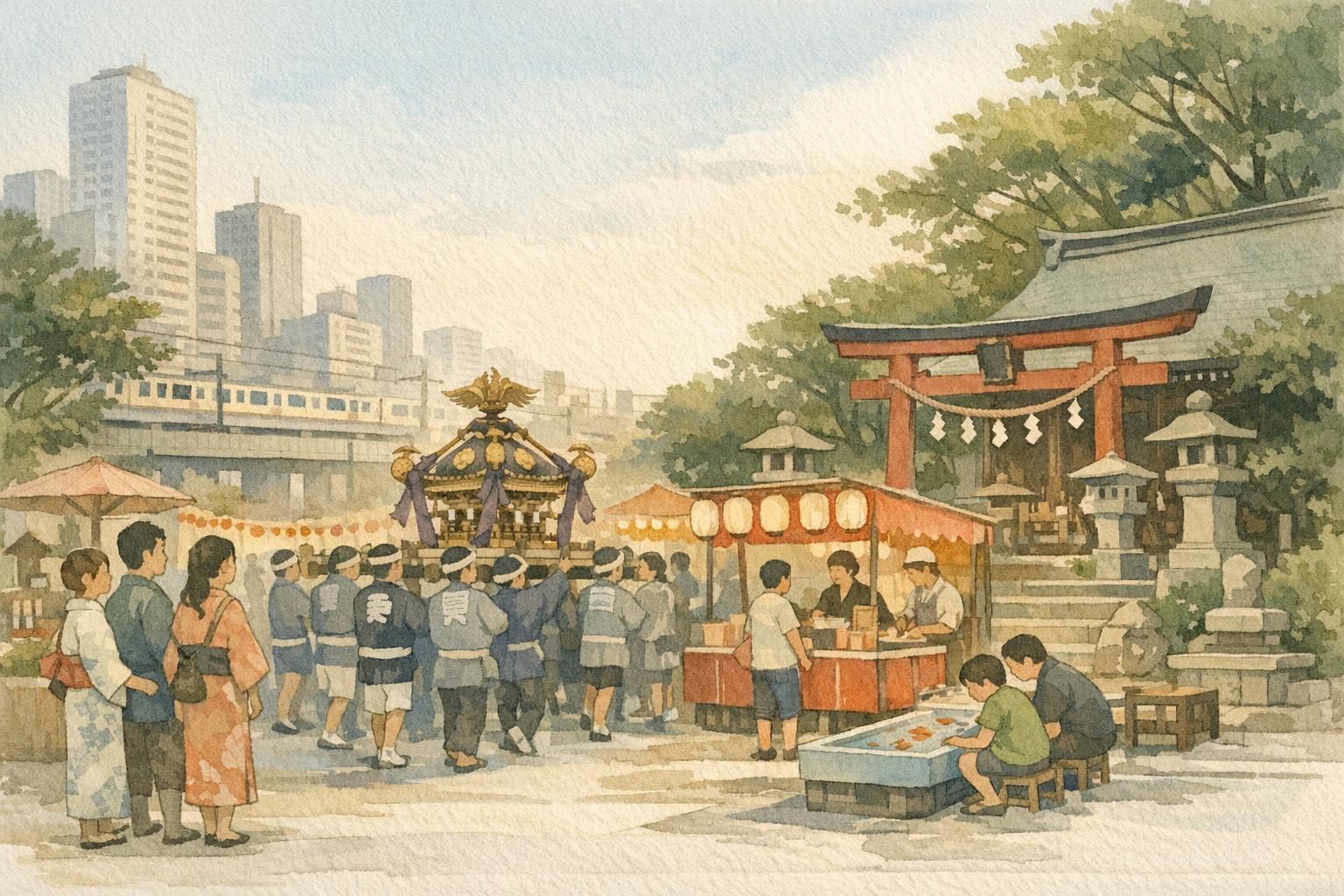
Kimono in Japan is more than historic dress, because it still carries social meaning through ceremony, craft, memory, and selective modern use. Its significance comes from the way fabric, pattern, season, and form all communicate atmosphere and occasion. Looking closely at ordinary routines often explains more than a list of isolated facts.
In this article, the subject is treated as part of lived Japanese culture rather than as a decorative symbol. That means paying attention to timing, space, habit, and the emotional atmosphere that grows around repeated practice.
Why kimono still matters
The clearest place to begin is with one practical fact. Kimono remains important because it preserves ways of thinking about fabric, gesture, season, and ceremony that do not disappear when everyday dress changes. The garment asks the wearer to move differently, stand differently, and notice form with unusual care. That embodied discipline is one reason the kimono continues to feel culturally charged. This is where broad stereotypes usually become too thin.
There is also a social layer to notice. Dress becomes powerful when it reshapes posture and attention at the same time. What looks natural usually depends on learned timing, repeated exposure, and a shared sense of what fits the situation.
Clothing can carry memory
A kimono worn for a formal visit or ceremony often makes the event feel more measured before any words are spoken. Clothing can organize atmosphere as effectively as architecture or ritual. That is often the moment when the subject stops feeling abstract and starts feeling lived.
Pattern, season, and social meaning
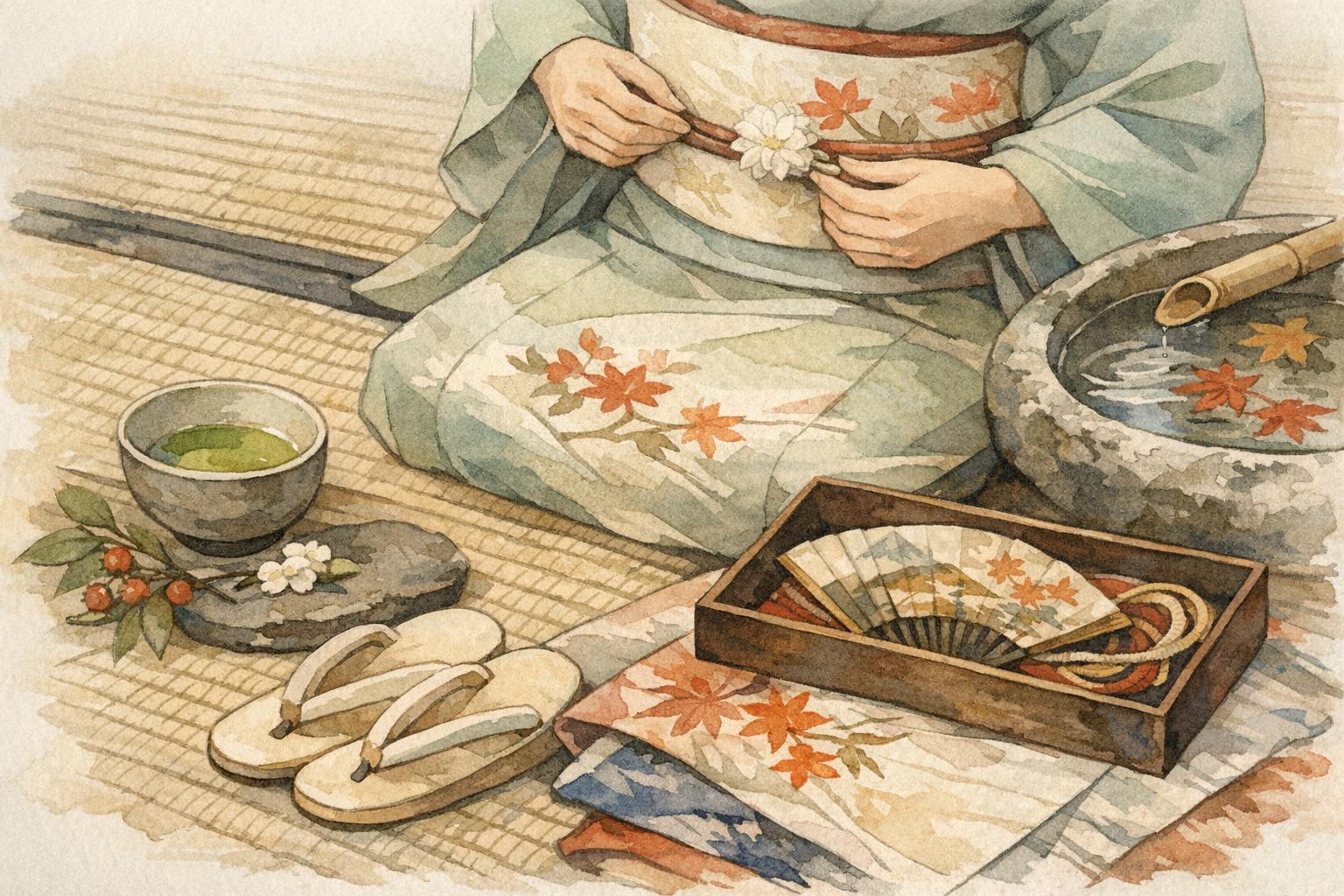
A closer look makes the pattern easier to read. Kimono choices often reflect age, occasion, season, and level of formality, which gives the garment a quiet social language. Pattern, sleeve shape, obi style, and textile weight all help communicate where the wearer stands in relation to the event. This complexity is part of what makes kimono feel so rich in Japan even when worn infrequently. The detail matters because it changes how the whole subject is understood.
There is also a social layer to notice. The garment remains legible because detail still matters culturally. What looks natural usually depends on learned timing, repeated exposure, and a shared sense of what fits the situation.
The fabric says more than one thing
Seasonal motifs such as plum blossom, flowing water, or autumn grasses can make a kimono feel tied to time as well as to status. Style becomes deeper when it responds to calendar and context rather than personal taste alone. That is often the moment when the subject stops feeling abstract and starts feeling lived.
Modern use without total nostalgia
What matters first is the lived structure beneath the surface image. Kimono survives today through ceremonies, rentals, craft preservation, fashion adaptation, and people who choose to learn the form seriously. Its modern life is selective, but that selectiveness often keeps the garment meaningful rather than routine. Because it is no longer ordinary daily wear, each appearance can carry a stronger sense of intention. Seen that way, the topic moves from symbol to daily habit.
There is also a social layer to notice. Tradition often remains vivid by becoming concentrated instead of constant. What looks natural usually depends on learned timing, repeated exposure, and a shared sense of what fits the situation.
Tradition can be selective
A young person wearing kimono for a coming-of-age ceremony may experience the garment as both inherited culture and a fresh personal event. Old forms stay alive when they can still produce feeling in the present. That is often the moment when the subject stops feeling abstract and starts feeling lived.
Ritual, season, and social memory
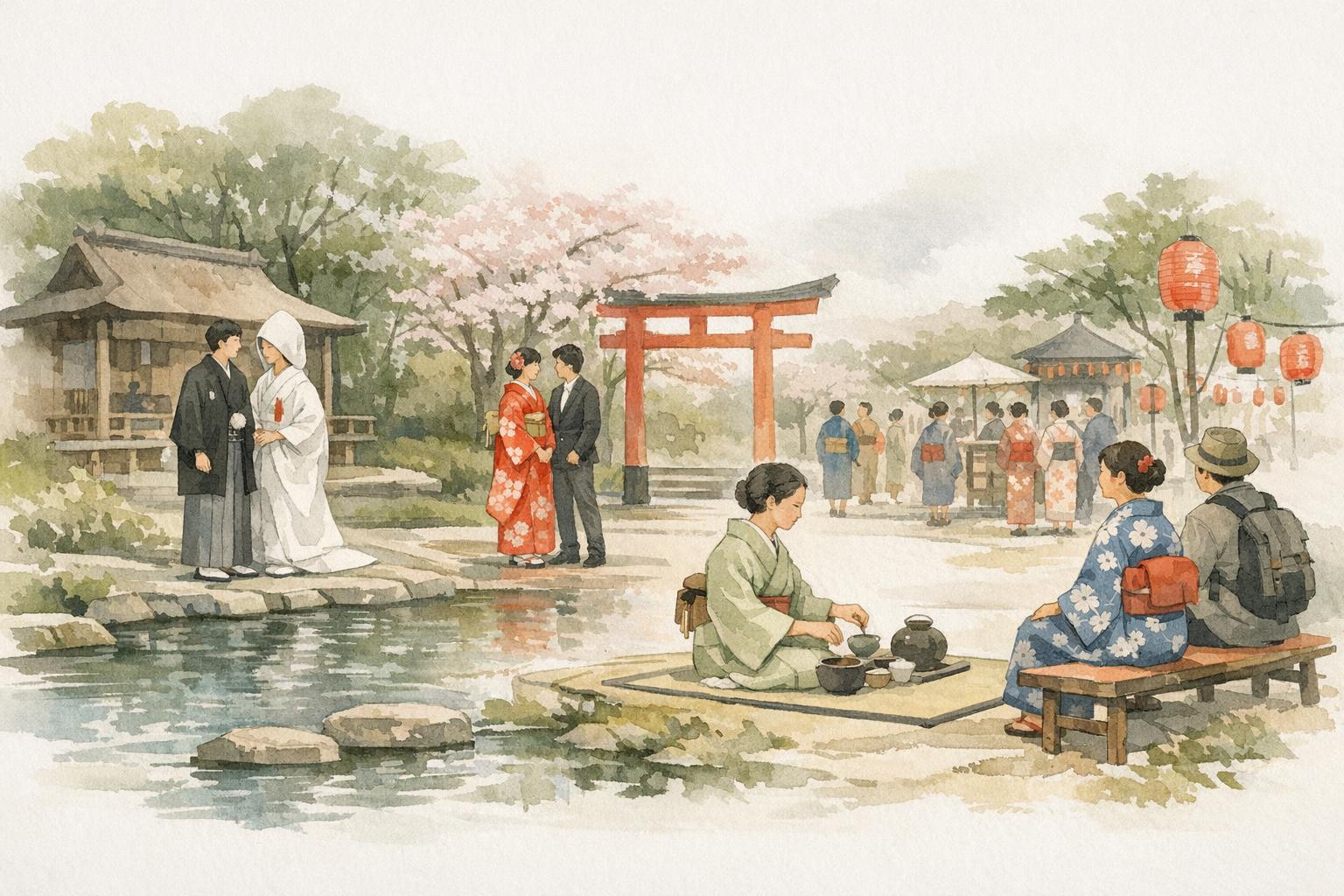
People now wear kimono less often in everyday life, yet weddings, coming-of-age ceremonies, festivals, tea events, and tourism keep the garment culturally visible. Traditions remain meaningful when they can still organize feeling and attention, and many Japanese customs do exactly that through the calendar and family memory. This is one reason the topic tends to feel ordinary to people in Japan while seeming highly distinctive to outside observers.
The tradition remains alive because the kimono still offers a powerful link between body, season, and inherited style. Continuity here does not mean the form never changes. It means newer habits often settle on top of older ways of noticing, organizing time, and sharing space.
Why it lasts
If you want to follow the same thread from another angle, see Japanese Tea Ceremony: Meaning Behind Every Move and Japanese Festivals (Matsuri) in Modern Japan. Placed beside one another, those essays show how one part of Japanese life opens into another.
Closing Reflection
Looking closely at kimono shows how clothing can preserve history without becoming frozen or purely ceremonial. The subject sits naturally beside tea ceremony, matsuri, and the wider Japanese care for material detail and seasonal presentation.
Read beside essays on cities, food, and everyday practice, the subject becomes part of a wider cultural pattern rather than a separate curiosity.