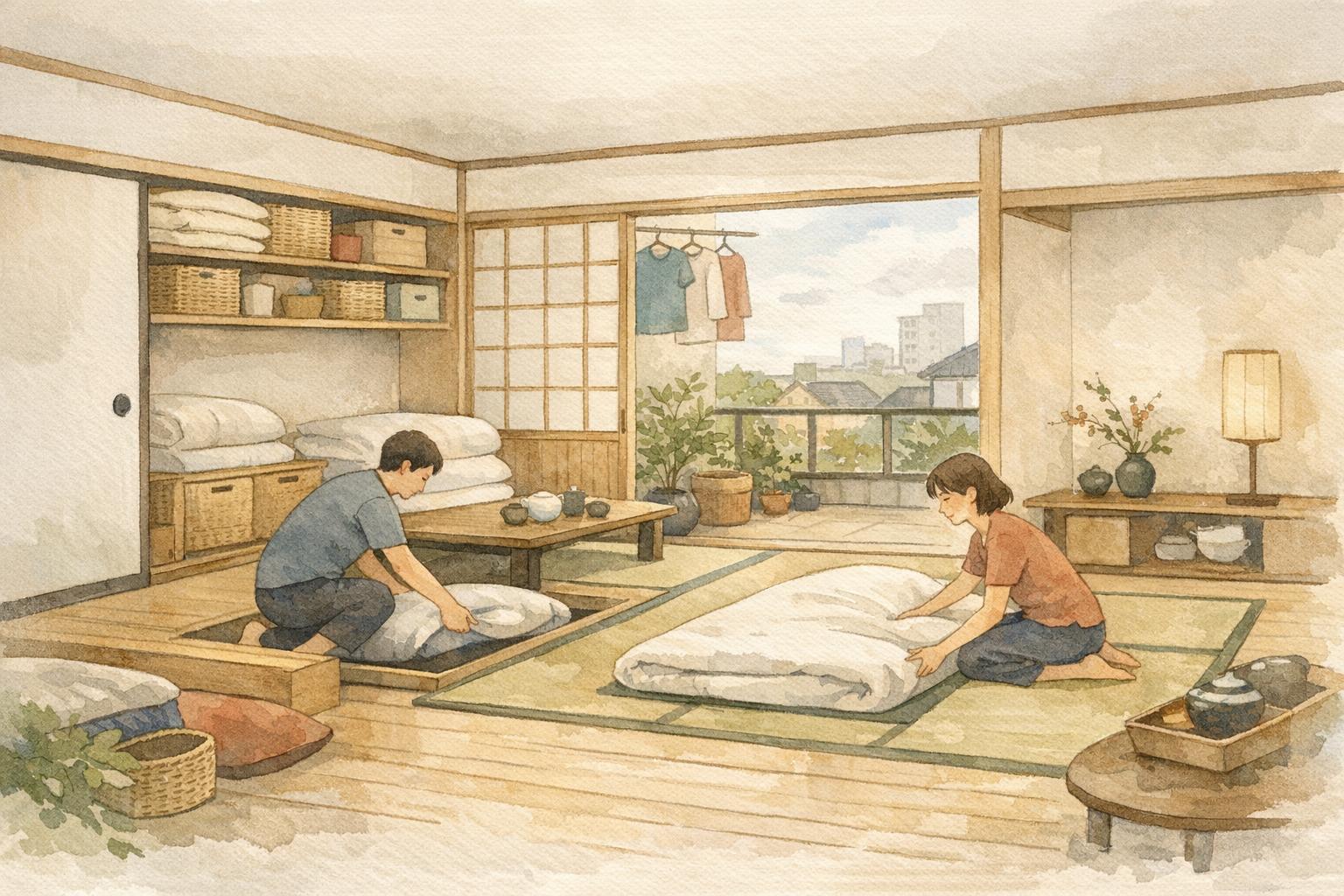
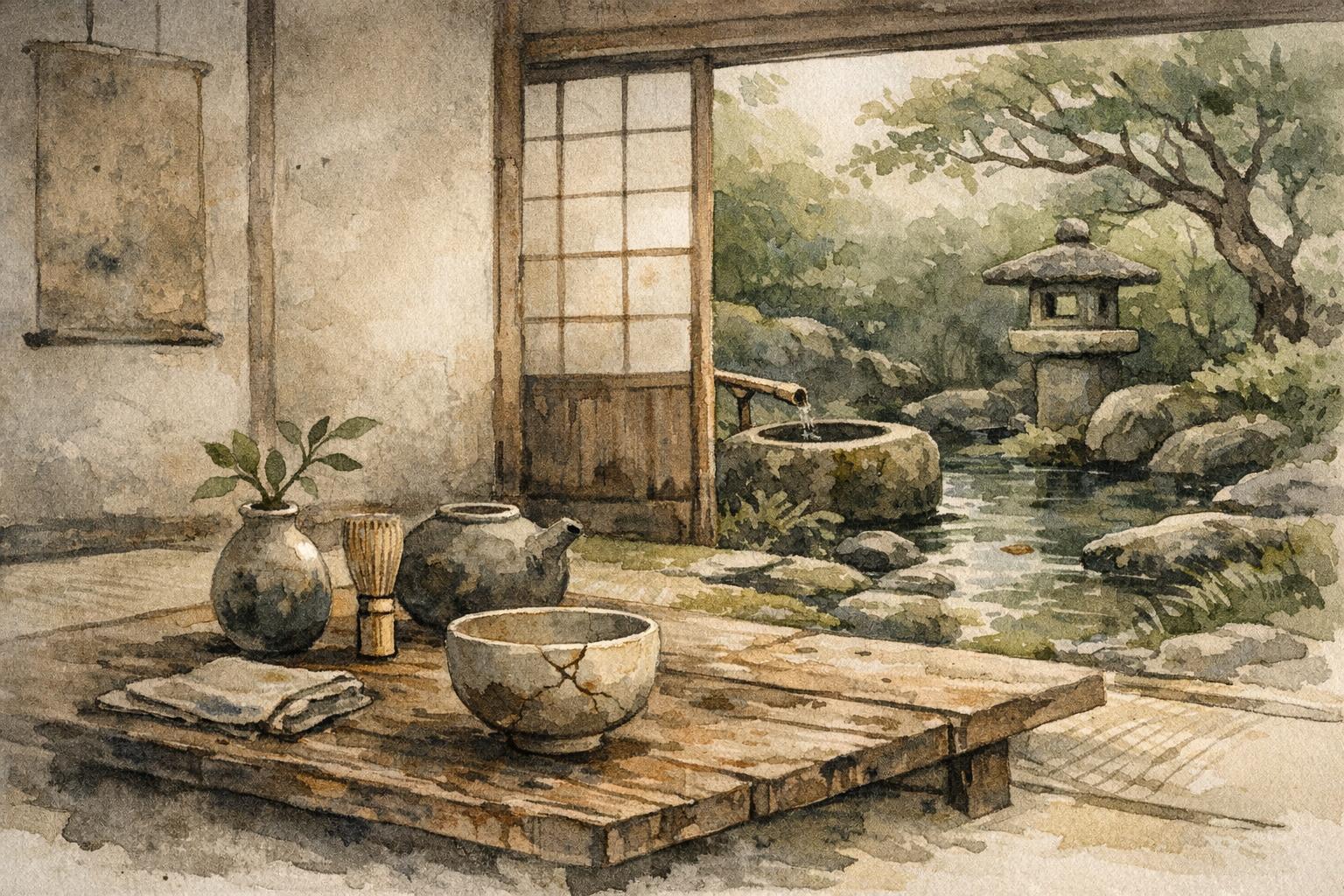
Minimalism in Japan is often described as owning less, but in practice it is more about making room for clarity, ease, and meaningful use. Its appeal comes from the way space, routine, and emotional atmosphere are shaped together rather than from strict renunciation alone. Looking closely at ordinary routines often explains more than a list of isolated facts.
In this article, the subject is treated as part of lived Japanese culture rather than as a decorative symbol. That means paying attention to timing, space, habit, and the emotional atmosphere that grows around repeated practice.
Why less can feel richer
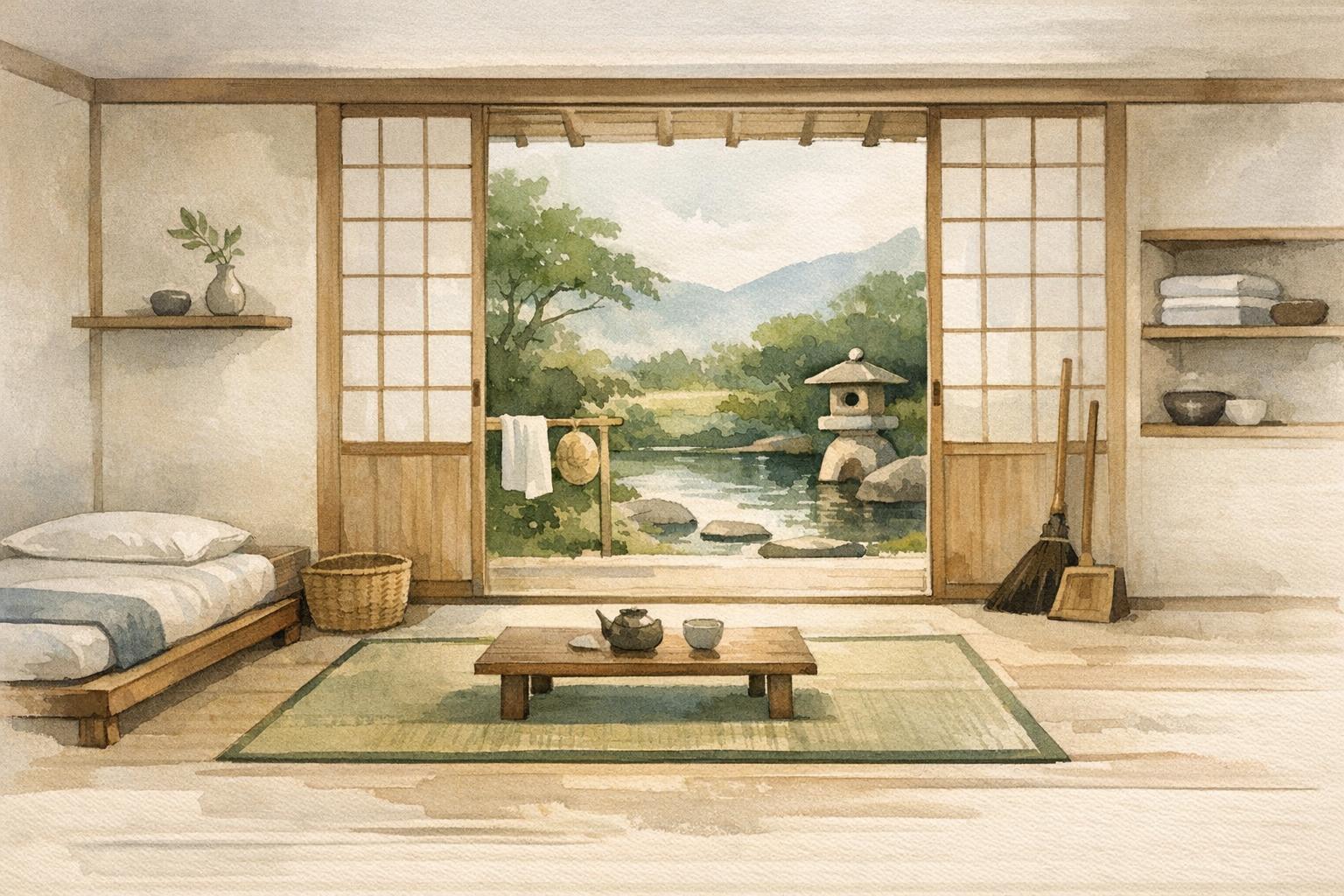
The clearest place to begin is with one practical fact. Japanese minimalism often begins with the idea that too many visible objects crowd not only the room, but also the mind. When possessions are reduced thoughtfully, movement becomes easier and attention can settle on what is actually being used. That is why minimalism is often experienced less as deprivation than as relief. This is where broad stereotypes usually become too thin.
There is also a social layer to notice. The value of less depends on what greater ease or clarity it makes possible. What looks natural usually depends on learned timing, repeated exposure, and a shared sense of what fits the situation.
Space changes behavior
A room with open floor area and only a few well-used objects can feel more generous than a larger room filled without purpose. Simplicity gains force when it improves the emotional and physical use of space. That is often the moment when the subject stops feeling abstract and starts feeling lived.
Minimalism and small-scale living
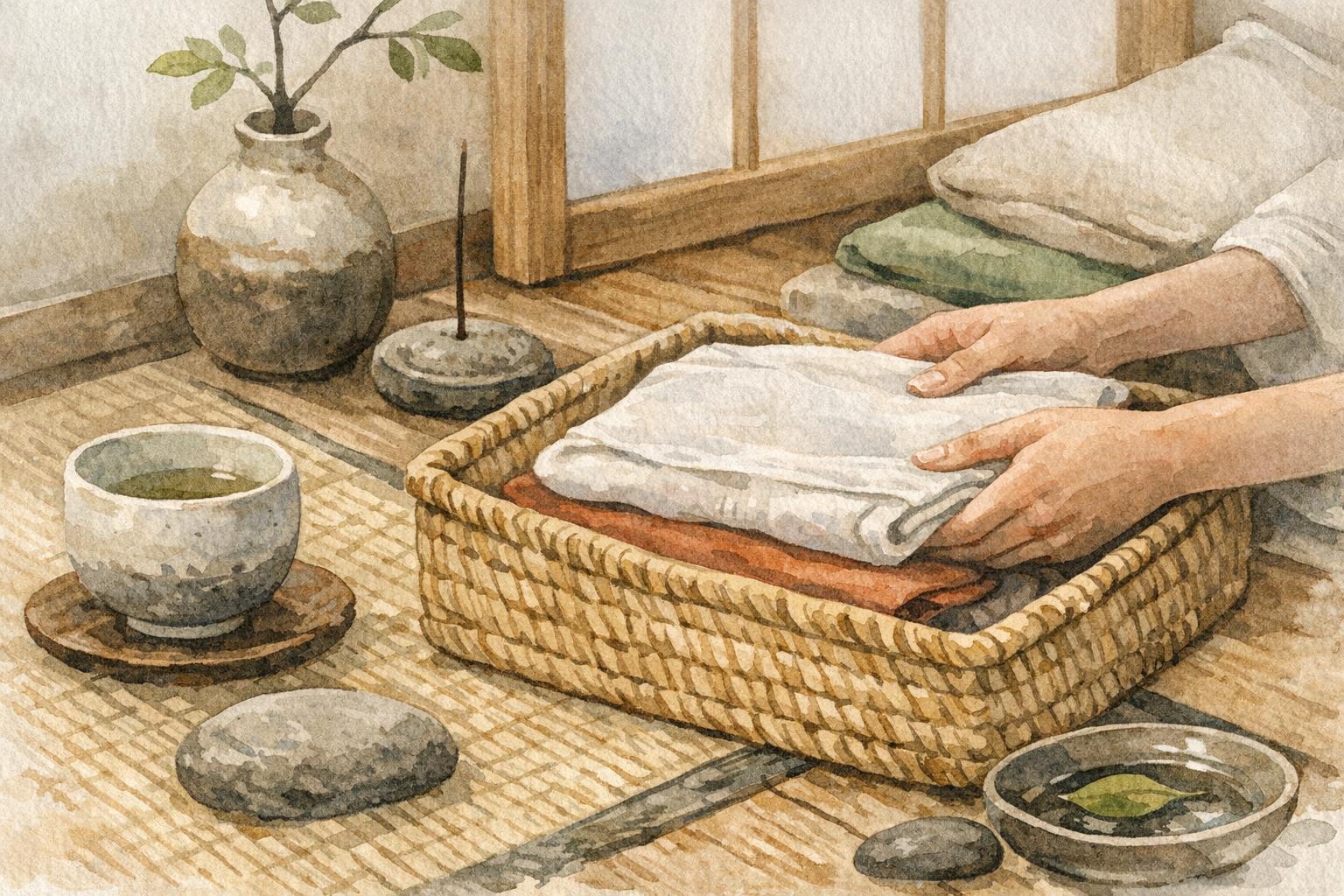
A closer look makes the pattern easier to read. Compact homes in Japan encouraged people to store carefully, rotate by season, and avoid keeping what has no clear role. These habits turned practical necessity into a broader culture of efficiency and visual restraint. Once established, the approach also began to carry aesthetic and moral value of its own. The detail matters because it changes how the whole subject is understood.
There is also a social layer to notice. A solution to limited space gradually became a model of good living. What looks natural usually depends on learned timing, repeated exposure, and a shared sense of what fits the situation.
Constraint shaped the habit
The same apartment can hold family meals, quiet work, and sleep more comfortably when objects are few and movement is unobstructed. Practical discipline often becomes a cultural style when it proves durable and satisfying. That is often the moment when the subject stops feeling abstract and starts feeling lived.
Why Japanese minimalism still attracts attention
What matters first is the lived structure beneath the surface image. People continue to admire Japanese minimalism because it promises calm in a world of visual excess and constant distraction. Yet the most successful examples still preserve warmth through wood, cloth, paper, light, and seasonal detail rather than empty severity. That balance is what separates lived minimalism from a cold performance of tidiness. Seen that way, the topic moves from symbol to daily habit.
There is also a social layer to notice. The goal is not emptiness, but a cleaner relationship between objects and everyday life. What looks natural usually depends on learned timing, repeated exposure, and a shared sense of what fits the situation.
Order can feel like comfort
A shelf with a few books, a tea cup, and one seasonal branch can feel complete because the room has been allowed to breathe around them. Minimalism works best when it leaves meaning visible rather than removing it. That is often the moment when the subject stops feeling abstract and starts feeling lived.
Habit, space, and adaptation
The idea appears in homes, storage habits, design culture, travel, and even the rhythm of daily cleaning and seasonal change. Lifestyle habits in Japan often grow from practical constraints, yet they are refined until they also communicate care, self-control, and social awareness. This is one reason the topic tends to feel ordinary to people in Japan while seeming highly distinctive to outside observers.
It remains influential because it answers both practical limits of space and a deeper desire for visual and mental calm. Continuity here does not mean the form never changes. It means newer habits often settle on top of older ways of noticing, organizing time, and sharing space.
Ordinary routines
If you want to follow the same thread from another angle, see Why Japanese Homes Are So Small (And Smart) and What Is Wabi-Sabi? The Beauty of Imperfection in Japan. Placed beside one another, those essays show how one part of Japanese life opens into another.
Closing Reflection
Looking closely at minimalism in Japan shows that less matters only when it creates better attention and gentler living. The subject connects naturally with small homes, traditional interiors, and the quieter aesthetics of wabi-sabi.
Read beside essays on cities, food, and everyday practice, the subject becomes part of a wider cultural pattern rather than a separate curiosity.