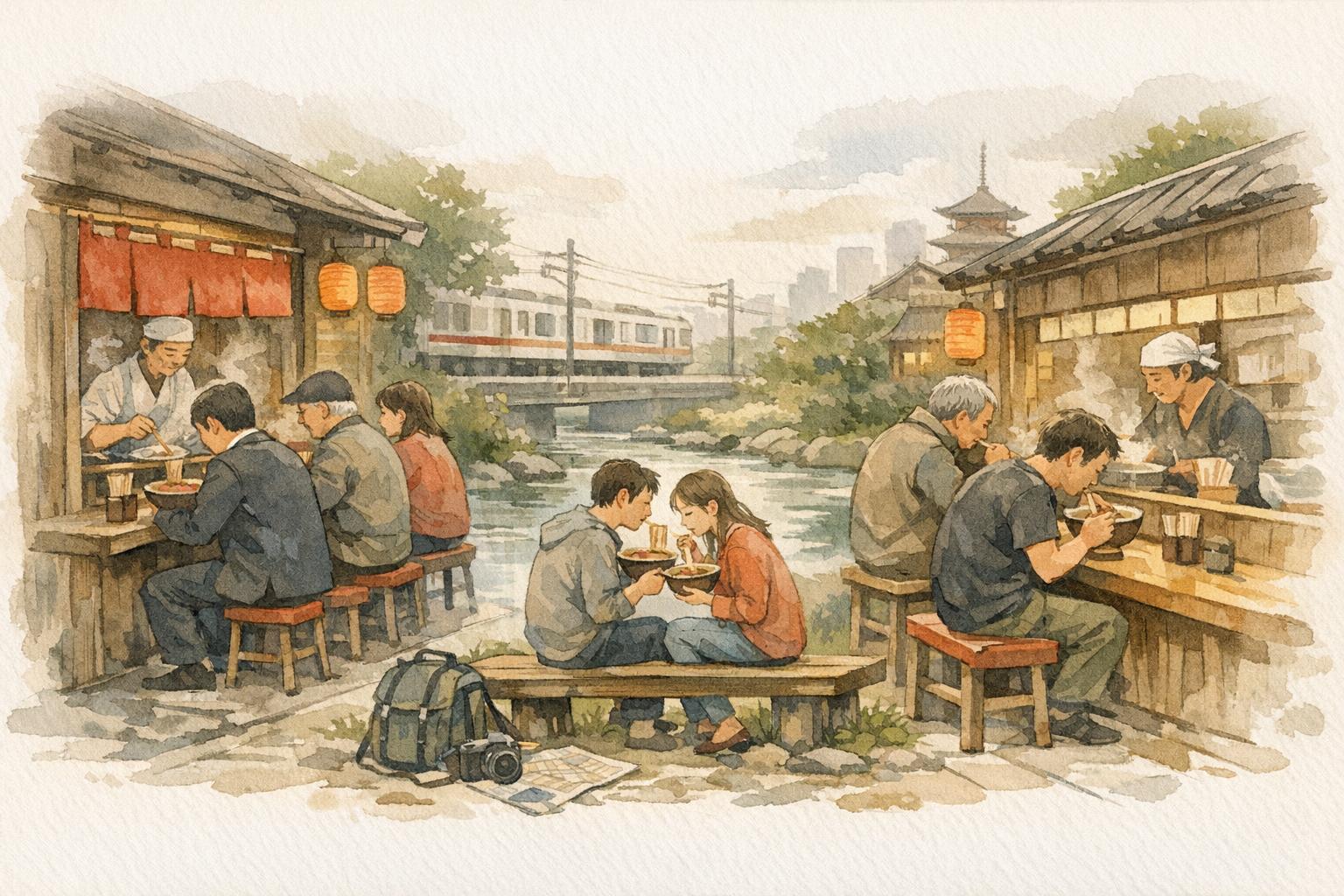
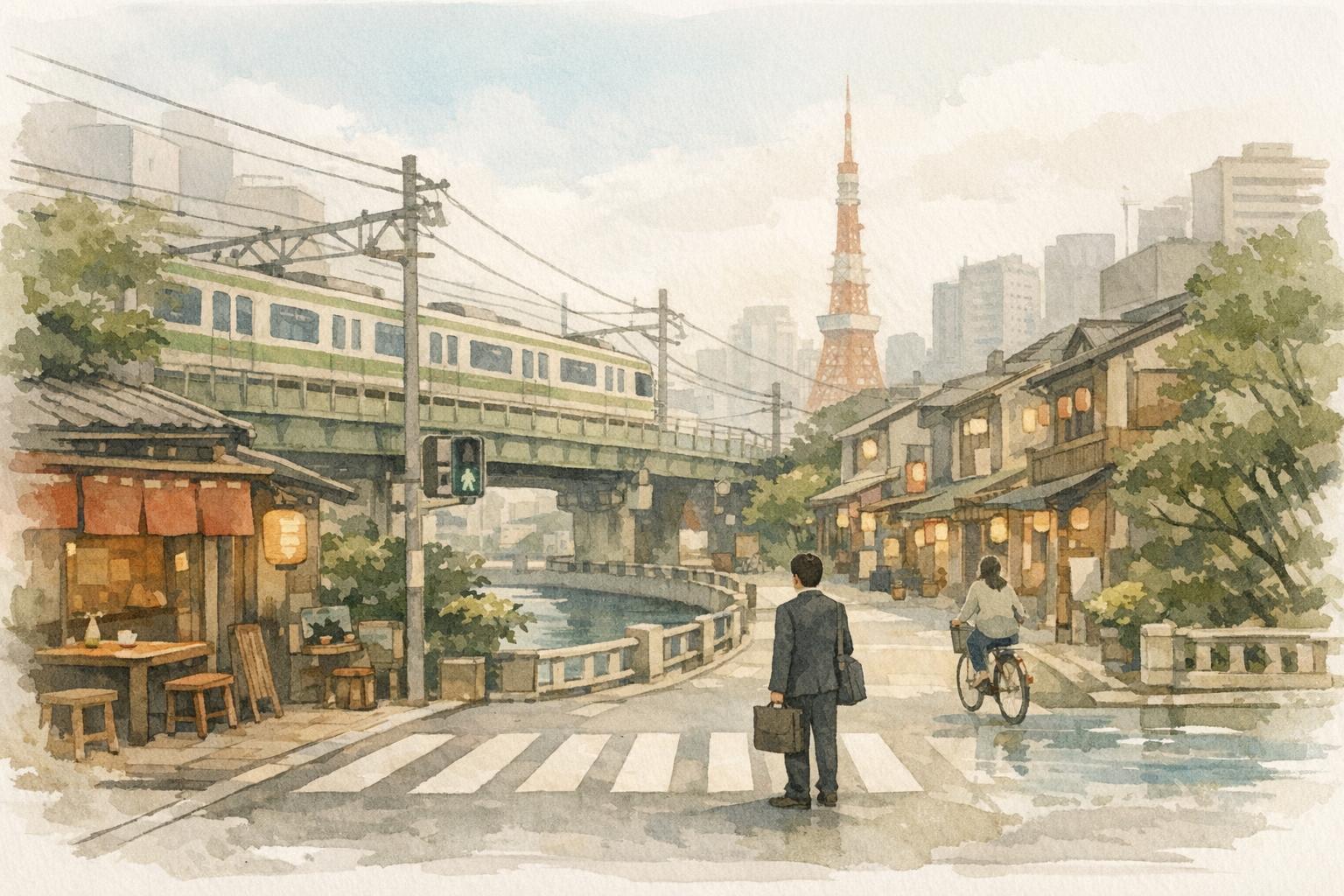
Osaka is often called Japan's food capital, but its deeper appeal lies in how food, humor, and social openness reinforce one another. The city feels distinctive because everyday appetite becomes part of public personality rather than remaining private or restrained. Looking closely at ordinary routines often explains more than a list of isolated facts.
In this article, the subject is treated as part of lived Japanese culture rather than as a decorative symbol. That means paying attention to timing, space, habit, and the emotional atmosphere that grows around repeated practice.
A city where talk carries the room
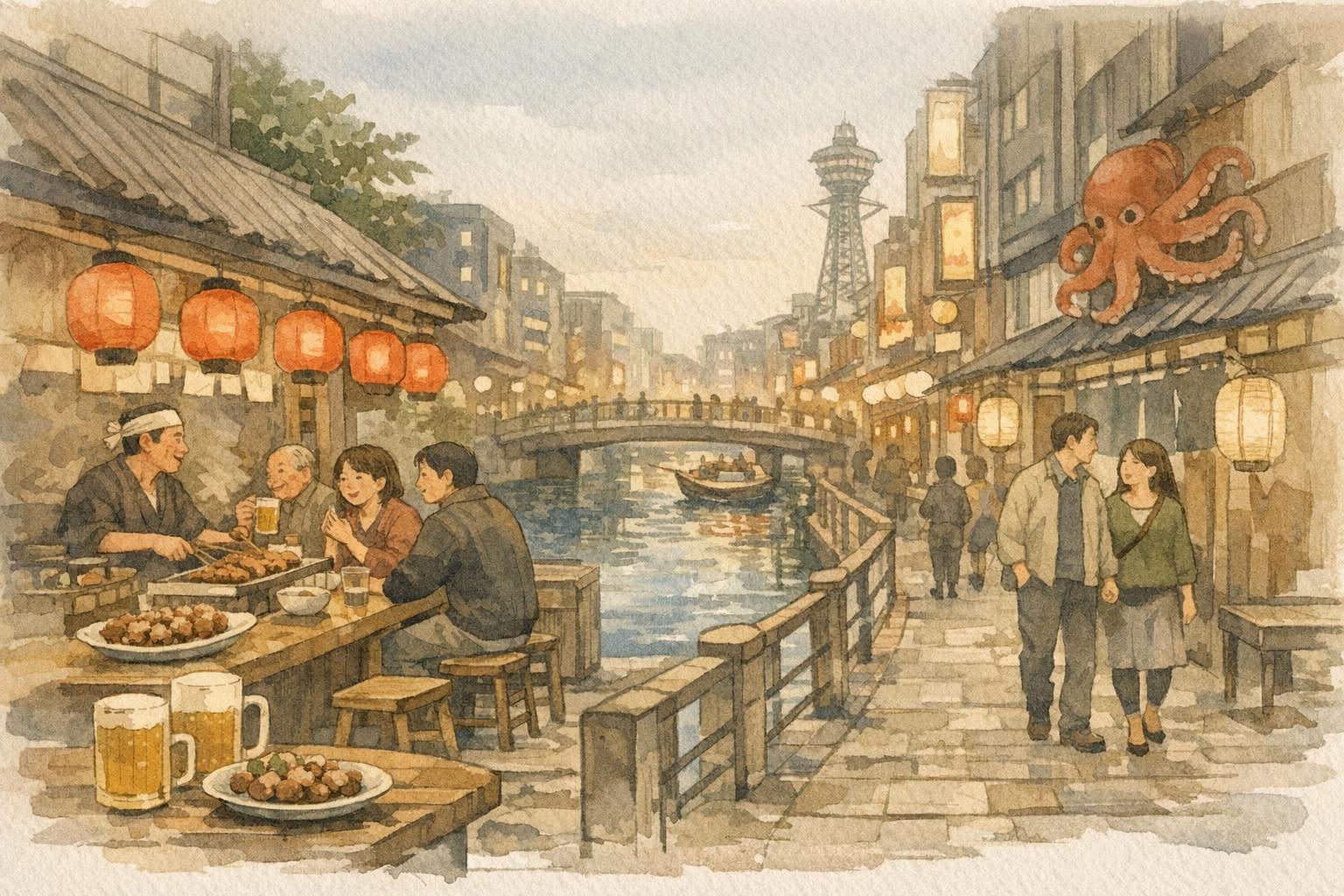
The clearest place to begin is with one practical fact. Osaka's conversational reputation is tied to the city's merchant history and the value placed on quick, readable human exchange. Street trade, food selling, and entertainment districts rewarded humor, timing, and the ability to create rapport quickly. That legacy still shapes the city's reputation even in modern commercial settings. This is where broad stereotypes usually become too thin.
There is also a social layer to notice. People often describe Osaka as easier to approach because speech feels slightly less guarded in public situations. What looks natural usually depends on learned timing, repeated exposure, and a shared sense of what fits the situation.
Commerce and quick response
A shopkeeper's joke or a casual comment over food can become part of the pleasure of being there. Conversation itself becomes a form of local texture. That is often the moment when the subject stops feeling abstract and starts feeling lived.
Warmth without sentimentality
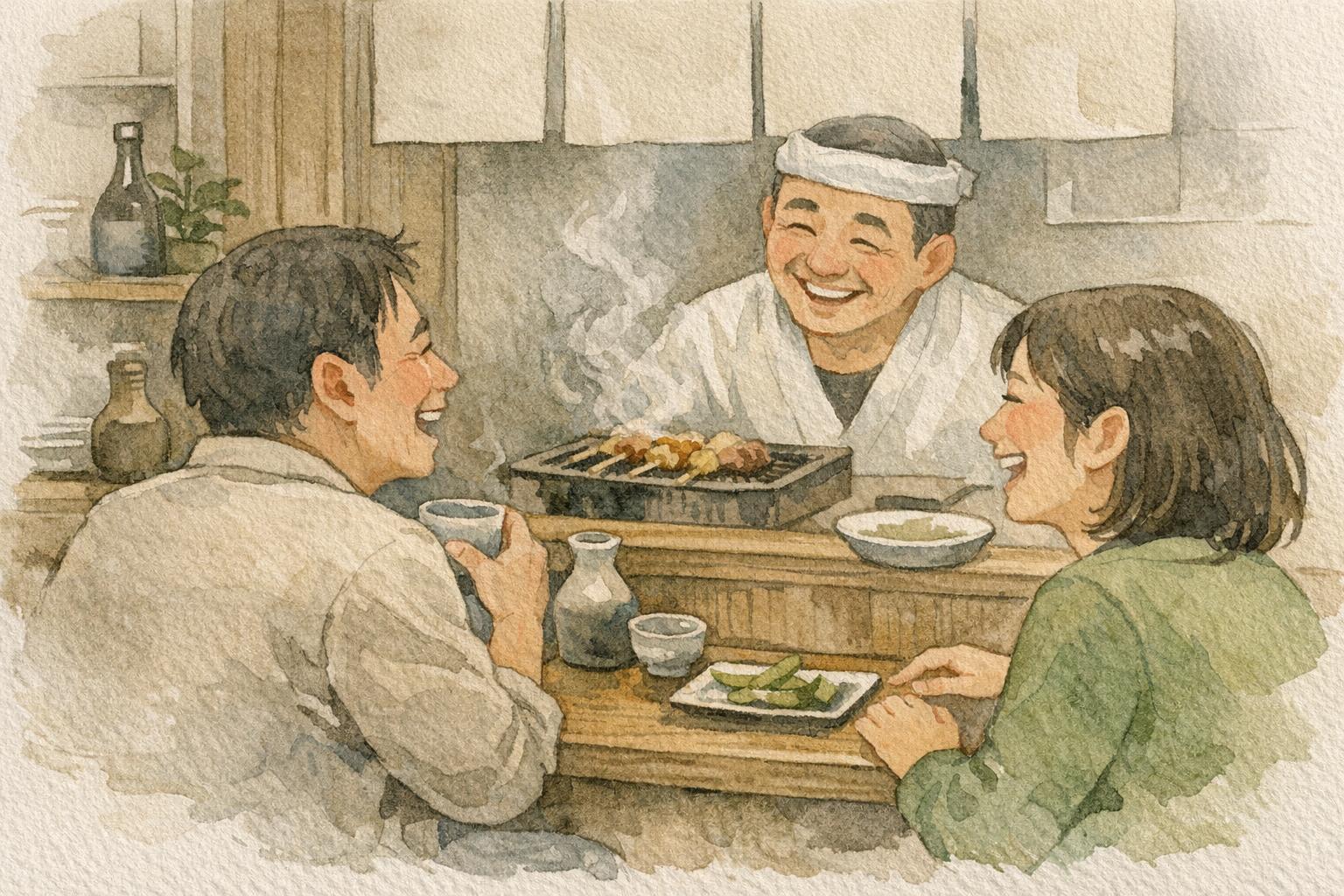
A closer look makes the pattern easier to read. What feels warm in Osaka is often a mix of directness, humor, and a lower threshold for audible reaction. This can make the city feel socially legible because emotion is expressed with less polish and more speed. At the same time, the warmth is practical rather than romantic; it emerges from shared space, trade, and repeated encounters. The detail matters because it changes how the whole subject is understood.
There is also a social layer to notice. Food culture reinforces this openness because eating there often happens in lively, accessible environments. What looks natural usually depends on learned timing, repeated exposure, and a shared sense of what fits the situation.
Public ease and directness
Counter seating and small storefronts encourage short interactions that would feel less likely in more reserved contexts. Osaka's friendliness is often built through ordinary contact rather than through grand gestures. That is often the moment when the subject stops feeling abstract and starts feeling lived.
How place shapes rhythm
Markets, casual restaurants, neon streets, and friendly speech patterns all contribute to an urban tone that many people find immediately different from Tokyo or Kyoto. Urban life in Japan is structured by transport, neighborhood identity, and subtle public expectations, so place often acts like a social teacher. This is one reason the topic tends to feel ordinary to people in Japan while seeming highly distinctive to outside observers.
That reputation endures because food in Osaka is tied to local warmth and directness, not only to famous dishes. Continuity here does not mean the form never changes. It means newer habits often settle on top of older ways of noticing, organizing time, and sharing space.
Memory in the street
If you want to follow the same thread from another angle, see Ramen Culture in Japan: From Street Food to Obsession and Why Tokyo Never Sleeps but Still Feels Organized. Placed beside one another, those essays show how one part of Japanese life opens into another.
Closing Reflection
Looking at Osaka through food reveals a city where eating and sociability often strengthen each other. The topic sits naturally beside ramen, street food, and broader comparisons between regional personalities in Japan.
Read beside essays on cities, food, and everyday practice, the subject becomes part of a wider cultural pattern rather than a separate curiosity.
Another useful way to read this subject is to notice how often it appears without announcing itself. Osaka is often called Japan's food capital, but its deeper appeal lies in how food, humor, and social openness reinforce one another. That quiet familiarity is one reason the topic can feel deeper over time instead of becoming exhausted once the basic facts are known.
It also helps to place the topic in relation to nearby subjects rather than isolating it. The essays on Ramen Culture in Japan: From Street Food to Obsession and Why Tokyo Never Sleeps but Still Feels Organized show how the same cultural logic travels into adjacent parts of Japanese life.
Another useful way to read this subject is to notice how often it appears without announcing itself. Osaka is often called Japan's food capital, but its deeper appeal lies in how food, humor, and social openness reinforce one another. That quiet familiarity is one reason the topic can feel deeper over time instead of becoming exhausted once the basic facts are known.