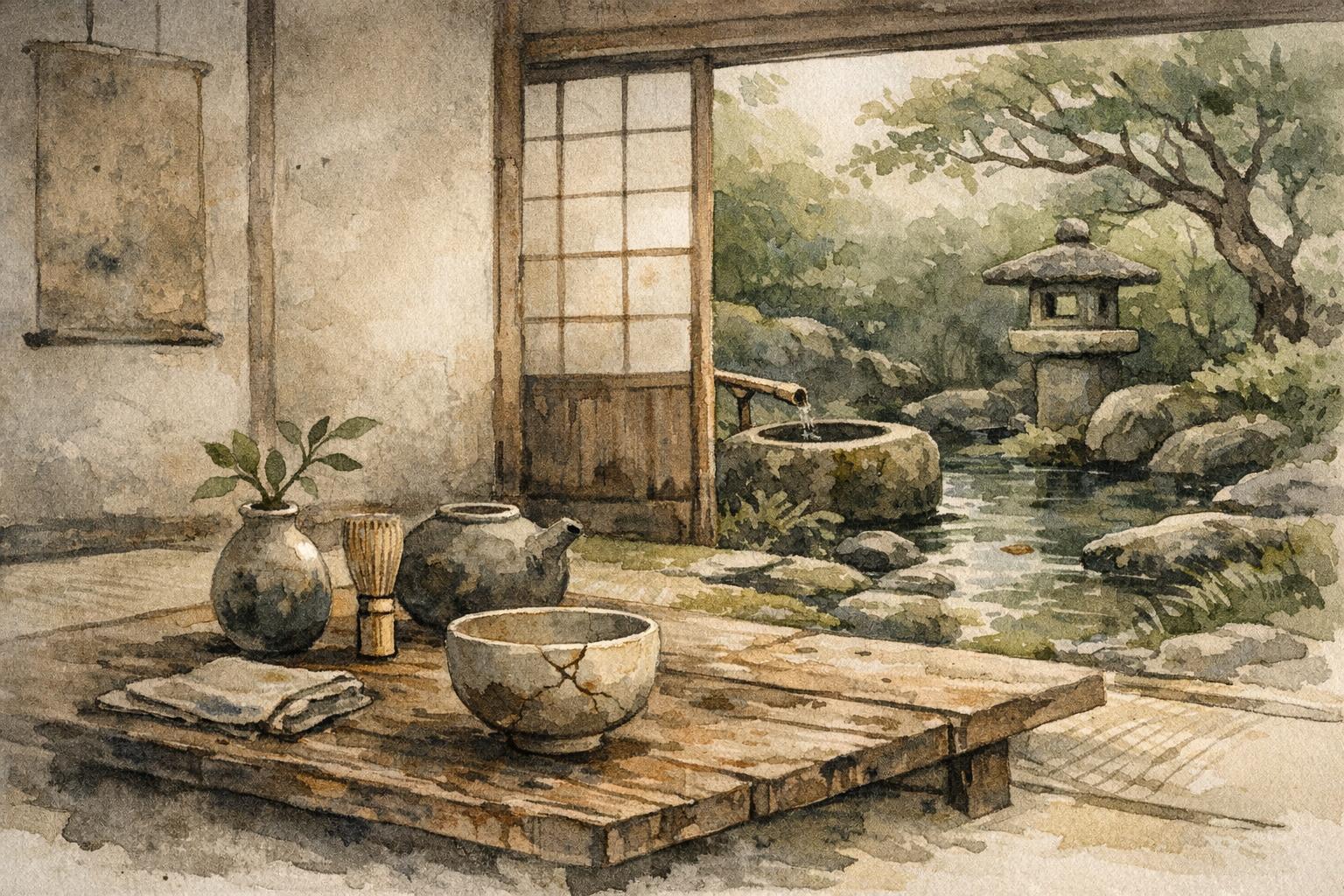
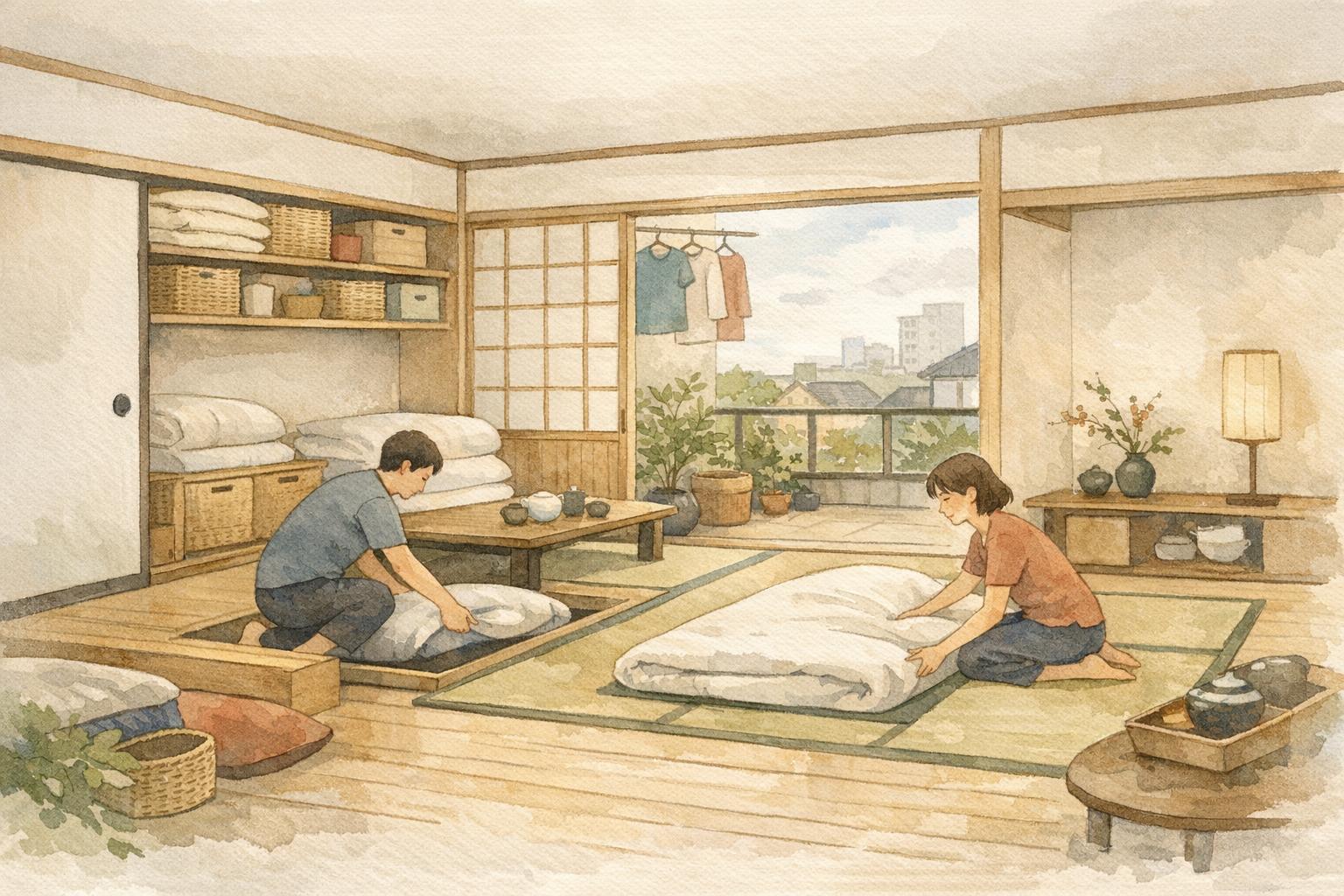
The traditional Japanese home is not defined by decoration alone, but by a careful relationship between floor, light, air, and movement. Tatami, shoji, wooden frames, and open thresholds matter because they organize daily life into softer rhythms of sitting, sliding, and seasonal adjustment. Looking closely at ordinary routines often explains more than a list of isolated facts.
In this article, the subject is treated as part of lived Japanese culture rather than as a decorative symbol. That means paying attention to timing, space, habit, and the emotional atmosphere that grows around repeated practice.
Tatami as more than flooring
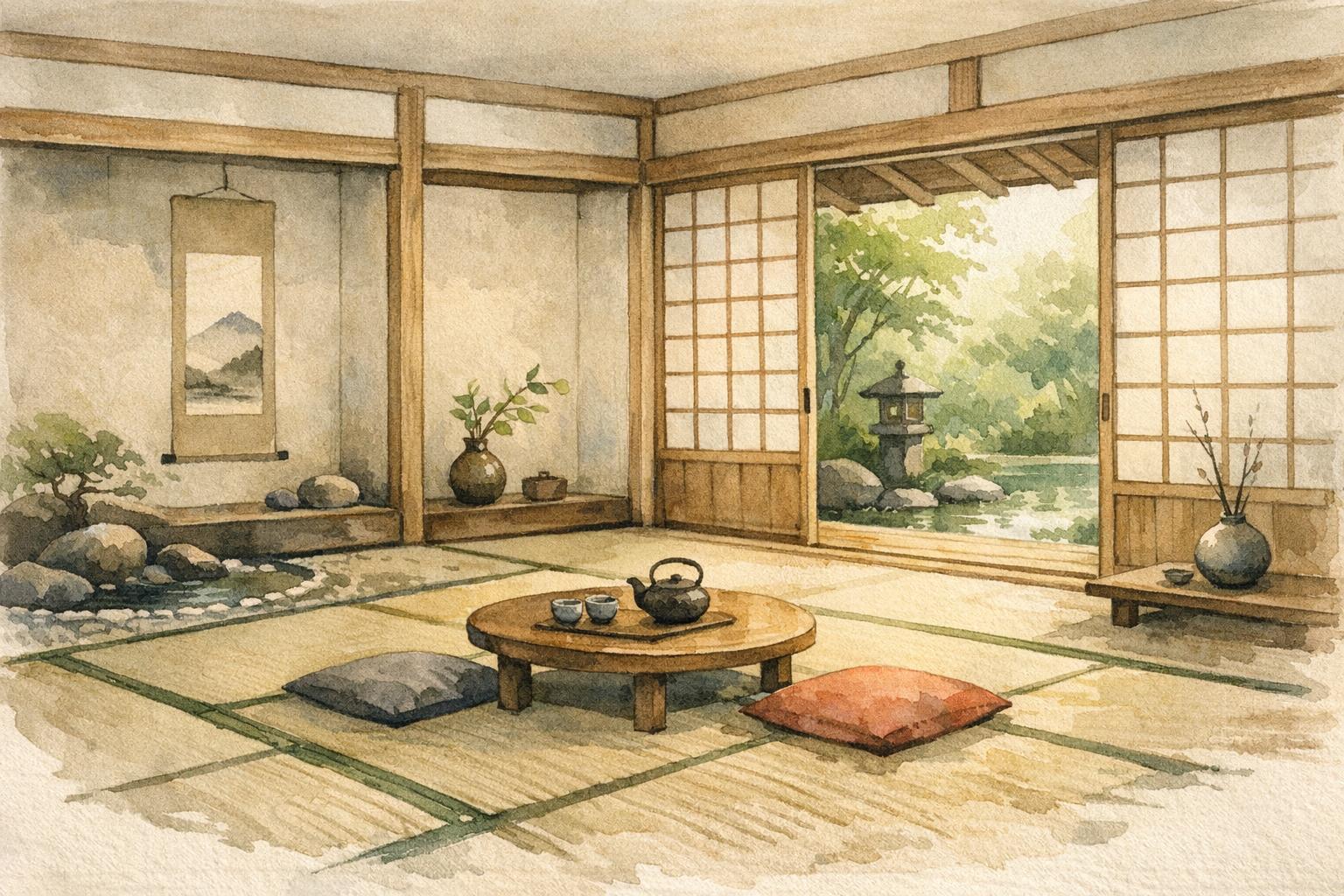
The clearest place to begin is with one practical fact. Tatami mats shape posture, movement, and even the emotional feel of a room because they invite sitting, kneeling, and a different sense of scale. The soft grid of the floor helps define proportion and makes the room feel ordered without crowding it with furniture. Because the body stays closer to the ground, attention shifts toward texture, edge, and the careful placement of objects. This is where broad stereotypes usually become too thin.
There is also a social layer to notice. That simple material quietly changes how space is used and felt. What looks natural usually depends on learned timing, repeated exposure, and a shared sense of what fits the situation.
The room begins at ground level
A single low table on tatami can make a room feel complete in a way that would seem unfinished in a Western layout. Traditional domestic design begins by adjusting the body before it adds decoration. That is often the moment when the subject stops feeling abstract and starts feeling lived.
Shoji and the art of filtered light
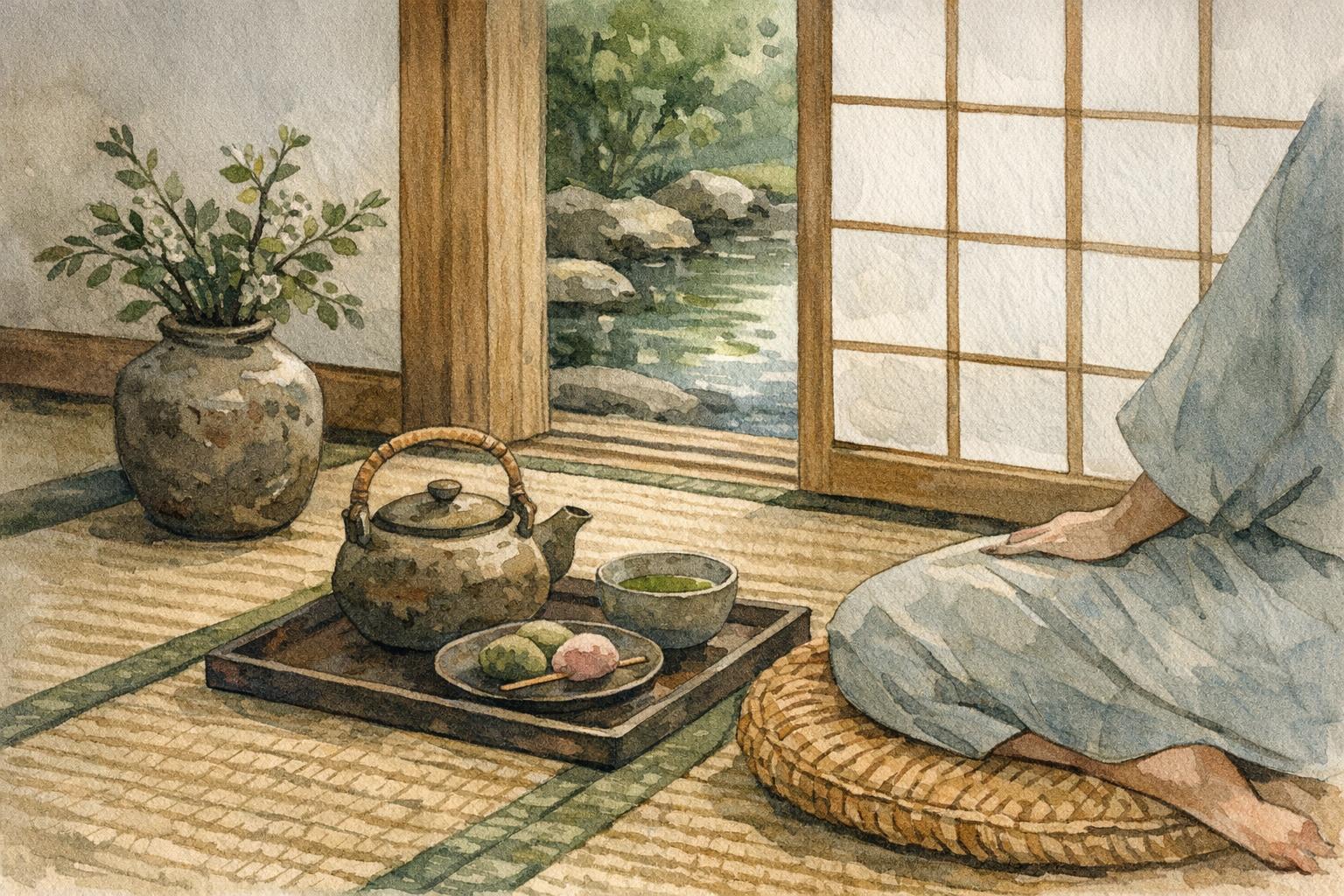
A closer look makes the pattern easier to read. Shoji screens soften daylight and make boundaries feel light rather than fixed. Paper and wood reduce visual hardness, which helps rooms feel calm even when they are small. Sliding partitions also allow space to change function through the day, from sleeping area to sitting room to shared family space. The detail matters because it changes how the whole subject is understood.
There is also a social layer to notice. The home becomes flexible without looking temporary. What looks natural usually depends on learned timing, repeated exposure, and a shared sense of what fits the situation.
Walls that are not fully walls
Morning light through shoji is one of the clearest examples of how a material can shape mood before anyone has spoken. Traditional design often works by filtering intensity instead of eliminating it. That is often the moment when the subject stops feeling abstract and starts feeling lived.
Why the old house still matters
What matters first is the lived structure beneath the surface image. People often describe traditional Japanese interiors as Zen, but what matters more is disciplined simplicity rather than bare reduction for its own sake. Storage is hidden, ornament is selective, and seasonal details are allowed to carry more emotional weight. The room feels calm because excess has been managed, not because personality has been removed. Seen that way, the topic moves from symbol to daily habit.
There is also a social layer to notice. That balance keeps the style alive even in updated homes and inns today. What looks natural usually depends on learned timing, repeated exposure, and a shared sense of what fits the situation.
Zen is not the same as emptiness
A flower branch in an alcove or a well-placed tea set can become memorable precisely because the rest of the room stays quiet. Restraint works when it gives attention somewhere meaningful to land. That is often the moment when the subject stops feeling abstract and starts feeling lived.
How the idea travels through daily life
Even modern apartments often borrow elements from this older model, which is why tatami rooms and sliding partitions still carry strong cultural meaning. Much of Japanese culture becomes visible through repetition rather than through declaration, so small gestures often carry more meaning than formal explanation. This is one reason the topic tends to feel ordinary to people in Japan while seeming highly distinctive to outside observers.
The appeal lasts because these interiors make space feel flexible, breathable, and emotionally restrained without becoming empty. Continuity here does not mean the form never changes. It means newer habits often settle on top of older ways of noticing, organizing time, and sharing space.
Quiet repetition
If you want to follow the same thread from another angle, see What Is Wabi-Sabi? The Beauty of Imperfection in Japan and Why Japanese Homes Are So Small (And Smart). Placed beside one another, those essays show how one part of Japanese life opens into another.
Closing Reflection
Looking at the house closely shows how architecture can teach patience, tidiness, and a calmer awareness of season and light. The topic connects naturally with wabi-sabi, Japanese minimalism, and the value placed on quiet domestic atmosphere.
Read beside essays on cities, food, and everyday practice, the subject becomes part of a wider cultural pattern rather than a separate curiosity.