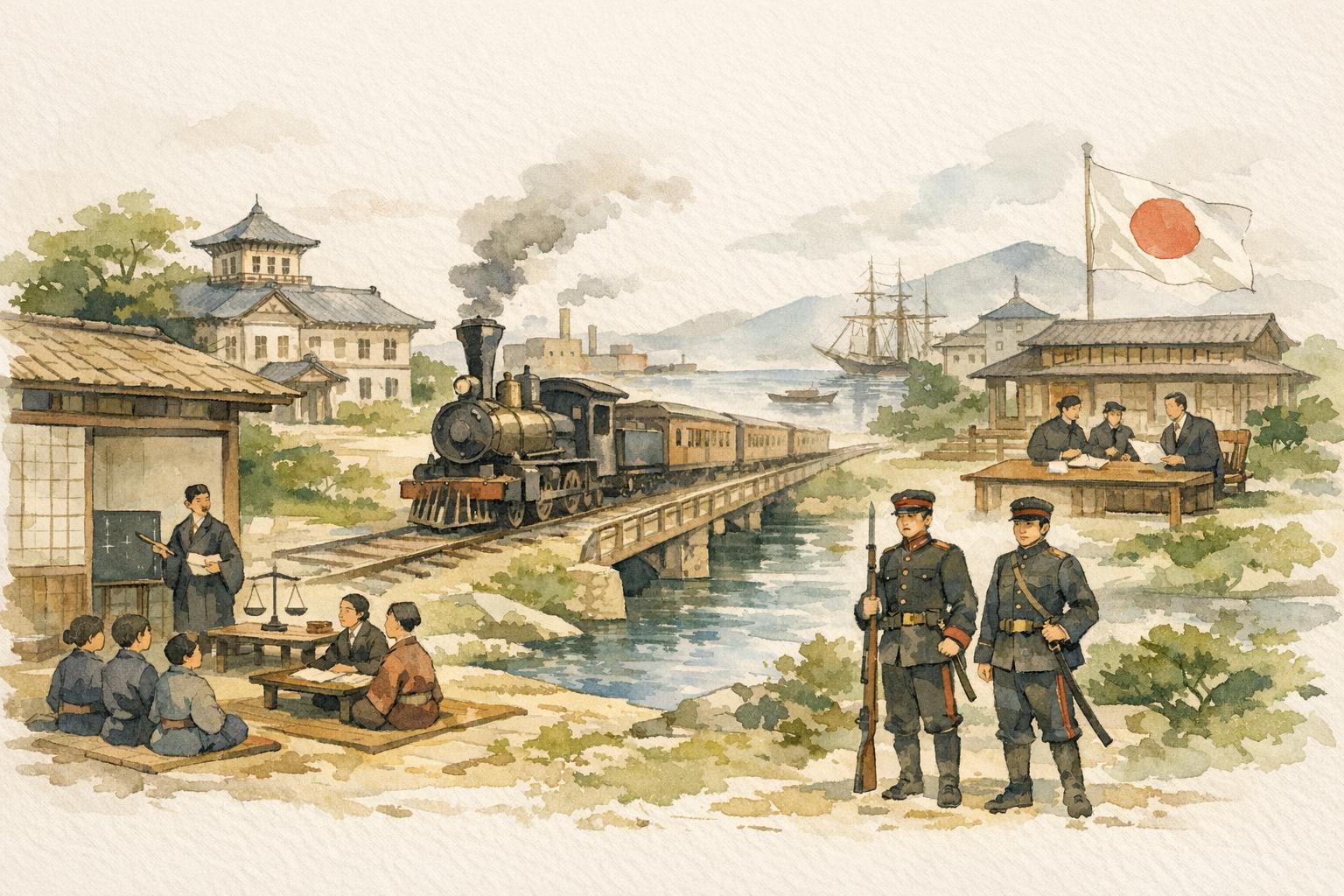
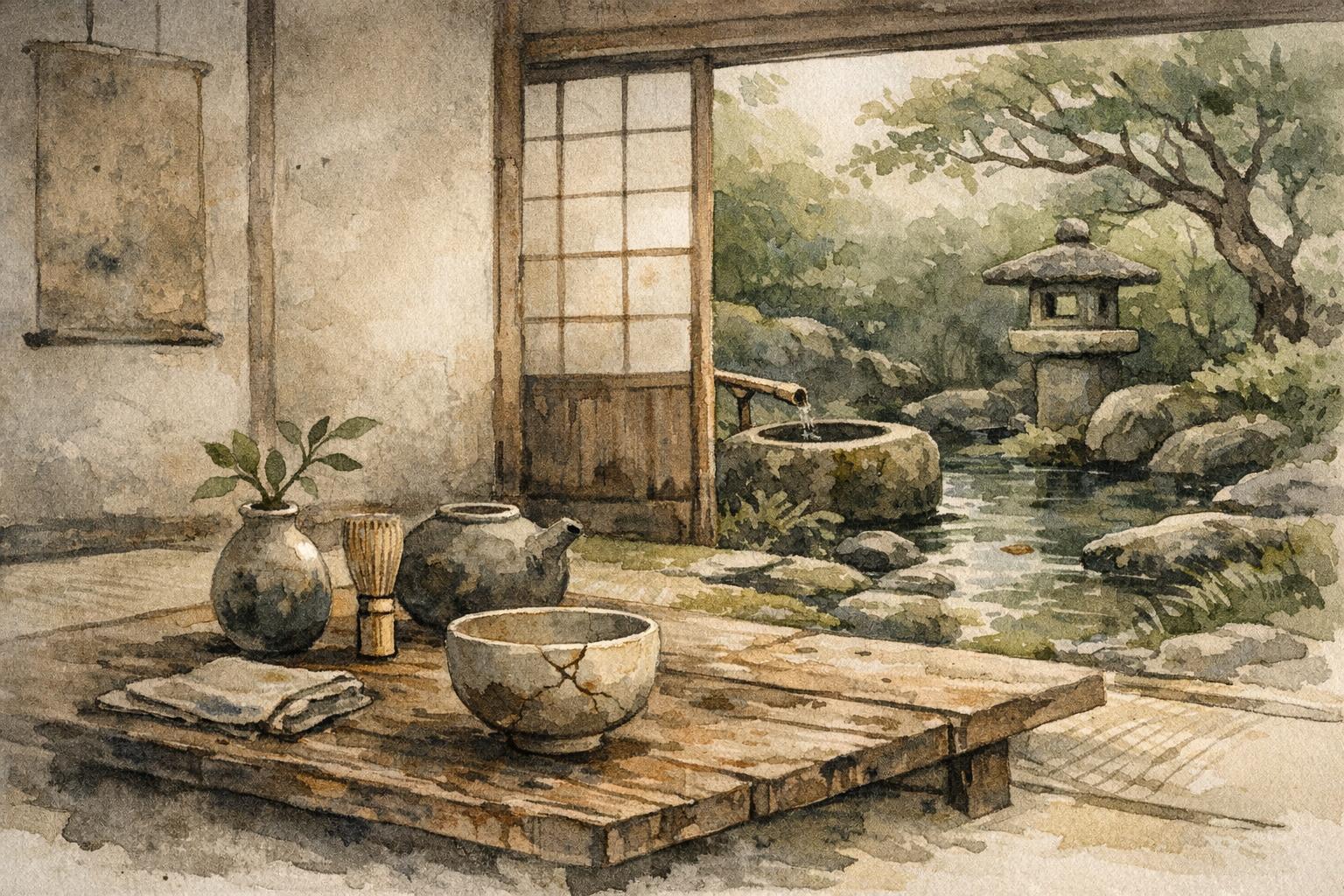
The Edo period is often remembered as a time when Japan closed itself to the world, but the reality was one of controlled contact, internal development, and long stability. Its importance comes from the way political order, city culture, and social habits deepened over centuries of relative peace. Looking closely at ordinary routines often explains more than a list of isolated facts.
In this article, the subject is treated as part of lived Japanese culture rather than as a decorative symbol. That means paying attention to timing, space, habit, and the emotional atmosphere that grows around repeated practice.
Long peace and urban growth
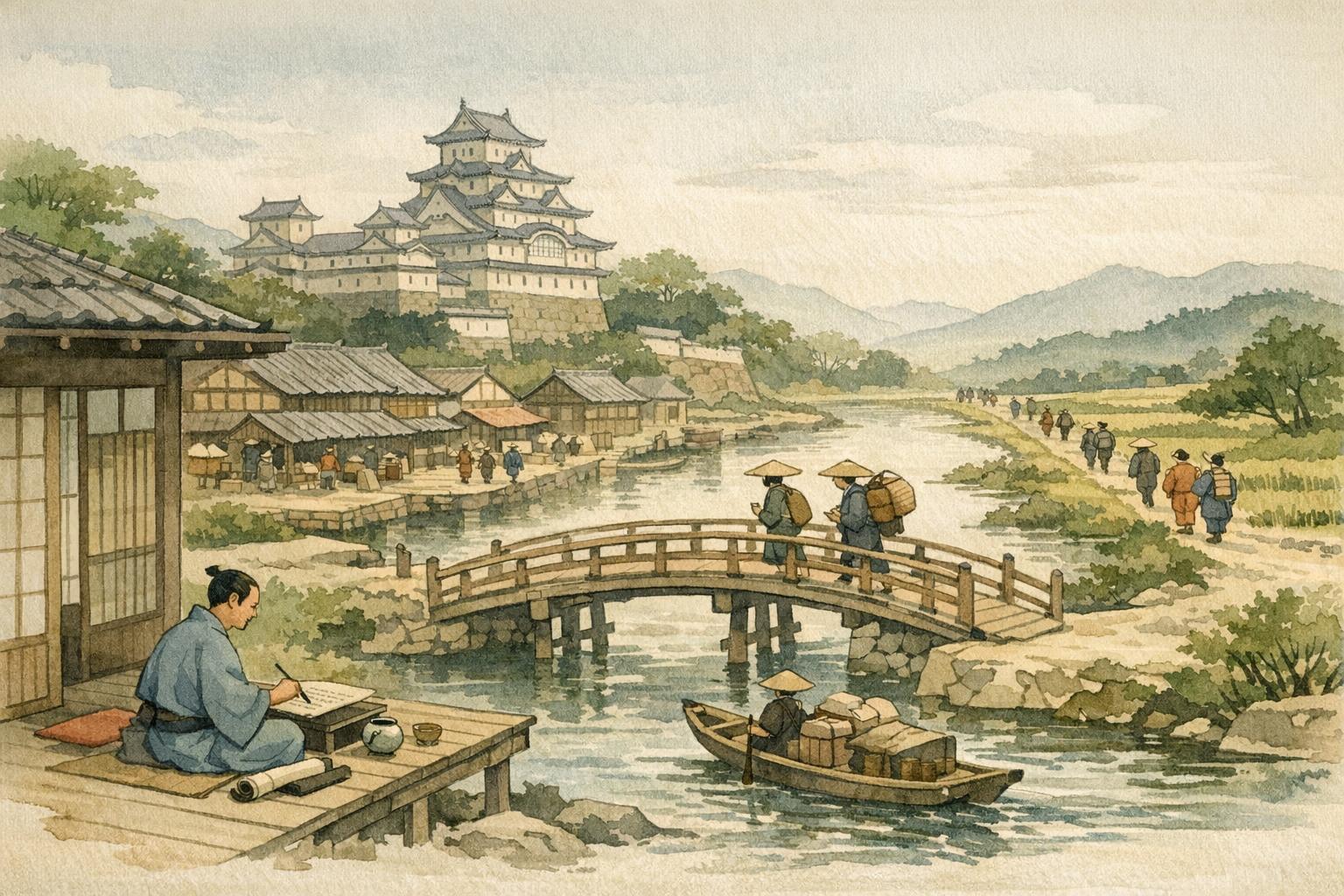
The clearest place to begin is with one practical fact. Tokugawa rule created long internal peace, and that stability allowed cities, commerce, and cultural production to grow in new ways. Edo, Osaka, and Kyoto expanded as distinct urban centers, each with its own social and economic role. The period's relative order let commoner culture, publishing, and popular entertainment become unusually dense. This is where broad stereotypes usually become too thin.
There is also a social layer to notice. This does not mean the era was equal or open, but it did create durable forms of organization. What looks natural usually depends on learned timing, repeated exposure, and a shared sense of what fits the situation.
The making of a stable order
Many later ideas of the Japanese city can be traced back to patterns consolidated under Tokugawa rule. Peace made repetition possible, and repetition made culture thick. That is often the moment when the subject stops feeling abstract and starts feeling lived.
Refinement under constraint
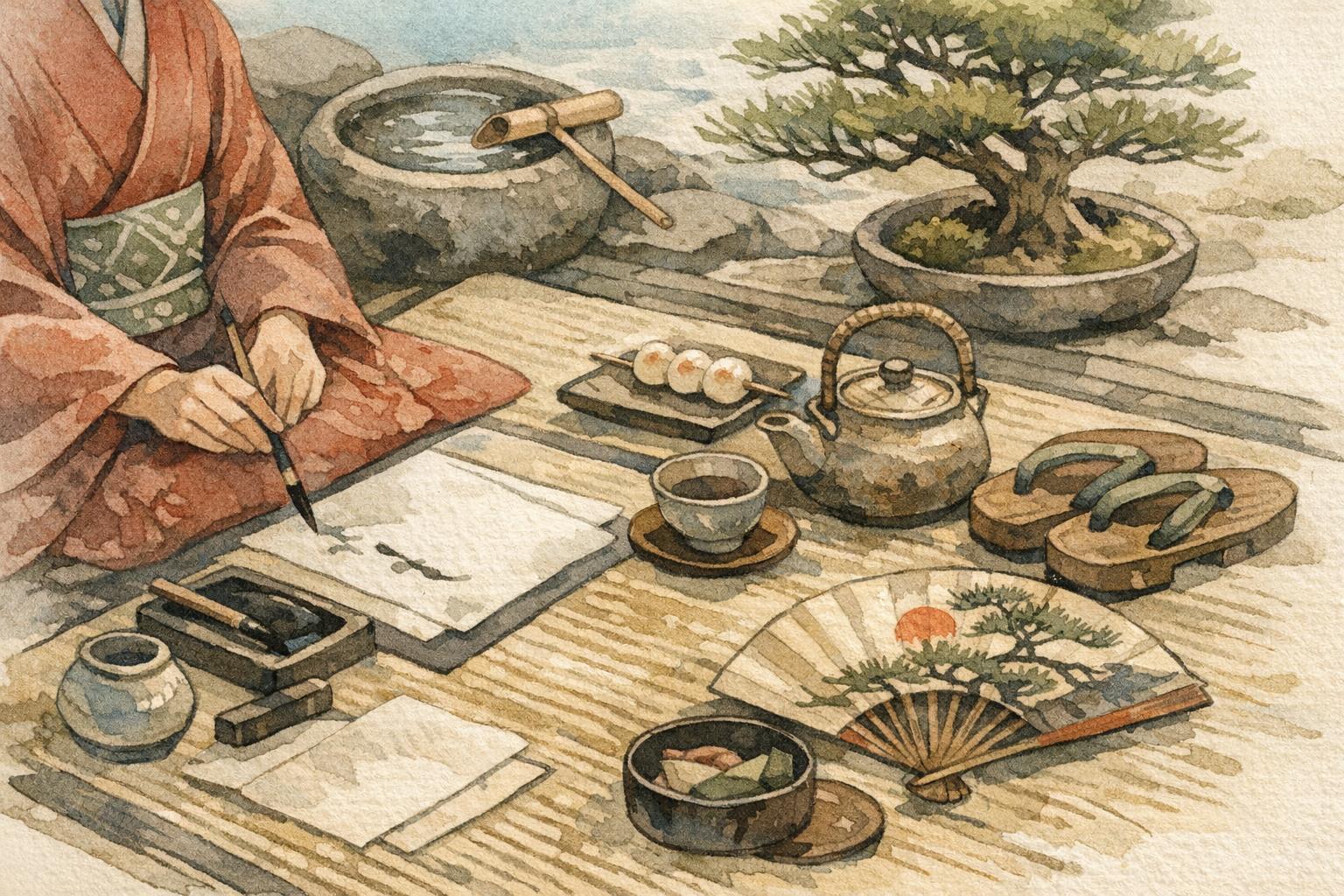
A closer look makes the pattern easier to read. Edo society was highly regulated, yet those constraints also encouraged distinctive forms of style, etiquette, and coded expression. Hierarchy shaped dress, residence, and behavior, while merchant and artisan classes developed their own forms of elegance within limits. Many later Japanese tastes for order, presentation, and calibrated behavior draw part of their force from this structured world. The detail matters because it changes how the whole subject is understood.
There is also a social layer to notice. The period's cultural sophistication cannot be separated from the discipline that framed it. What looks natural usually depends on learned timing, repeated exposure, and a shared sense of what fits the situation.
Rules that shaped taste
Tea practice, print culture, urban leisure, and craft traditions all matured within this balance of control and invention. Edo matters because it taught restraint and creativity to coexist. That is often the moment when the subject stops feeling abstract and starts feeling lived.
Why the period still matters
Castle towns, merchant culture, travel routes, and domestic literacy all expanded during this era, shaping the Japan that modernized later. Japanese history is often encountered through schools, museums, ceremonies, and place names, so the past remains embedded in ordinary vocabulary and public space. This is one reason the topic tends to feel ordinary to people in Japan while seeming highly distinctive to outside observers.
The period still matters because many institutions and cultural habits of modern Japan were sharpened under Edo conditions. Continuity here does not mean the form never changes. It means newer habits often settle on top of older ways of noticing, organizing time, and sharing space.
History in everyday language
If you want to follow the same thread from another angle, see How Japan Modernized So Quickly and What Is Wabi-Sabi? The Beauty of Imperfection in Japan. Placed beside one another, those essays show how one part of Japanese life opens into another.
Closing Reflection
Looking closely at Edo shows that isolation was only part of the story; internal growth mattered just as much. The topic connects naturally with the samurai, the shoguns, and the later rush of modernization in the Meiji period.
Read beside essays on cities, food, and everyday practice, the subject becomes part of a wider cultural pattern rather than a separate curiosity.
Another useful way to read this subject is to notice how often it appears without announcing itself. The Edo period is often remembered as a time when Japan closed itself to the world, but the reality was one of controlled contact, internal development, and long stability. That quiet familiarity is one reason the topic can feel deeper over time instead of becoming exhausted once the basic facts are known.
It also helps to place the topic in relation to nearby subjects rather than isolating it. The essays on How Japan Modernized So Quickly and What Is Wabi-Sabi? The Beauty of Imperfection in Japan show how the same cultural logic travels into adjacent parts of Japanese life.
Another useful way to read this subject is to notice how often it appears without announcing itself. The Edo period is often remembered as a time when Japan closed itself to the world, but the reality was one of controlled contact, internal development, and long stability. That quiet familiarity is one reason the topic can feel deeper over time instead of becoming exhausted once the basic facts are known.