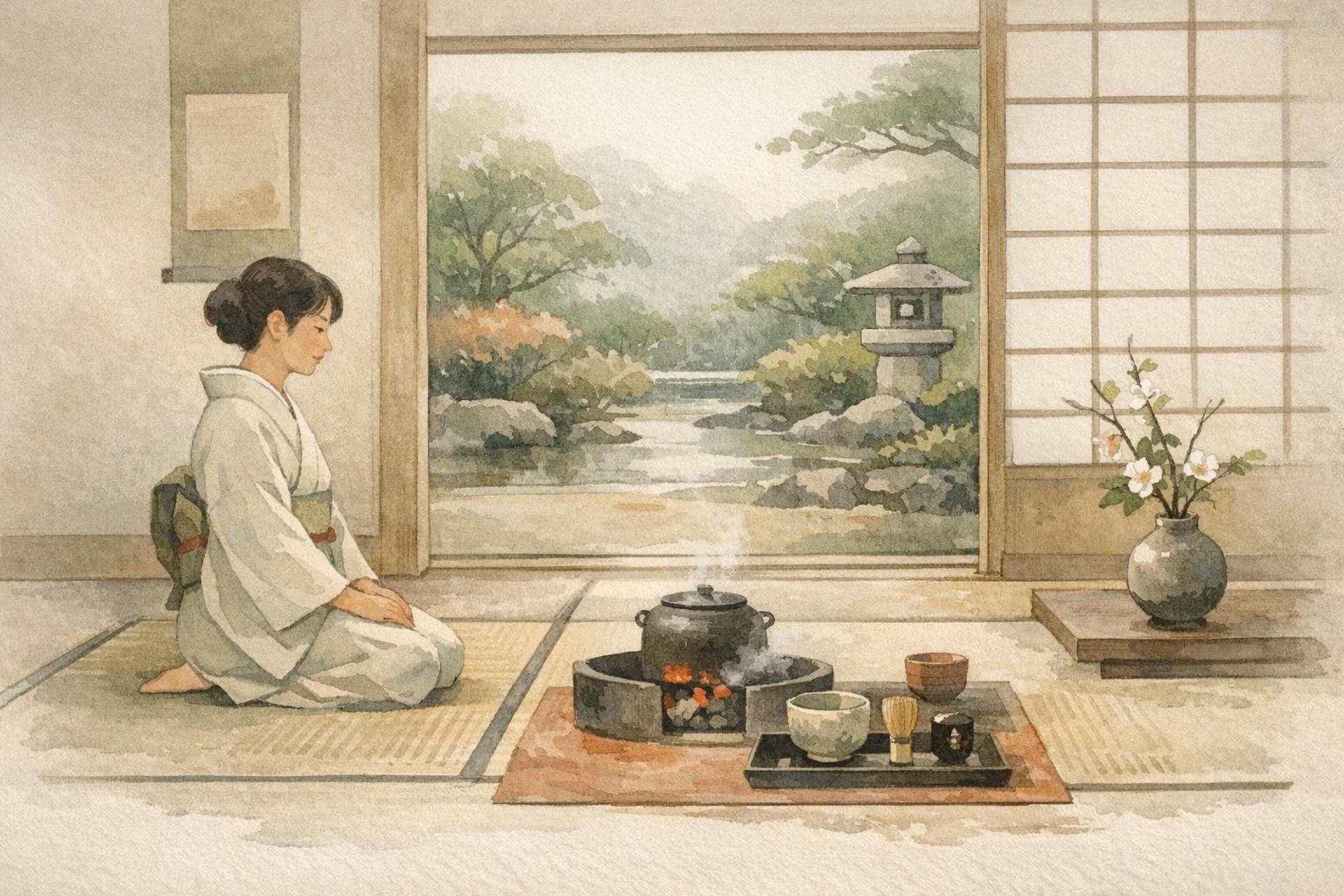
Omotenashi is often translated as hospitality, but the word points more precisely to care that is prepared in advance and offered without self-advertisement. Its importance in Japan comes from the way service, manners, and emotional tone are shaped before the guest even notices. Looking closely at ordinary routines often explains more than a list of isolated facts.
In this article, the subject is treated as part of lived Japanese culture rather than as a decorative symbol. That means paying attention to timing, space, habit, and the emotional atmosphere that grows around repeated practice.
Hospitality as anticipation
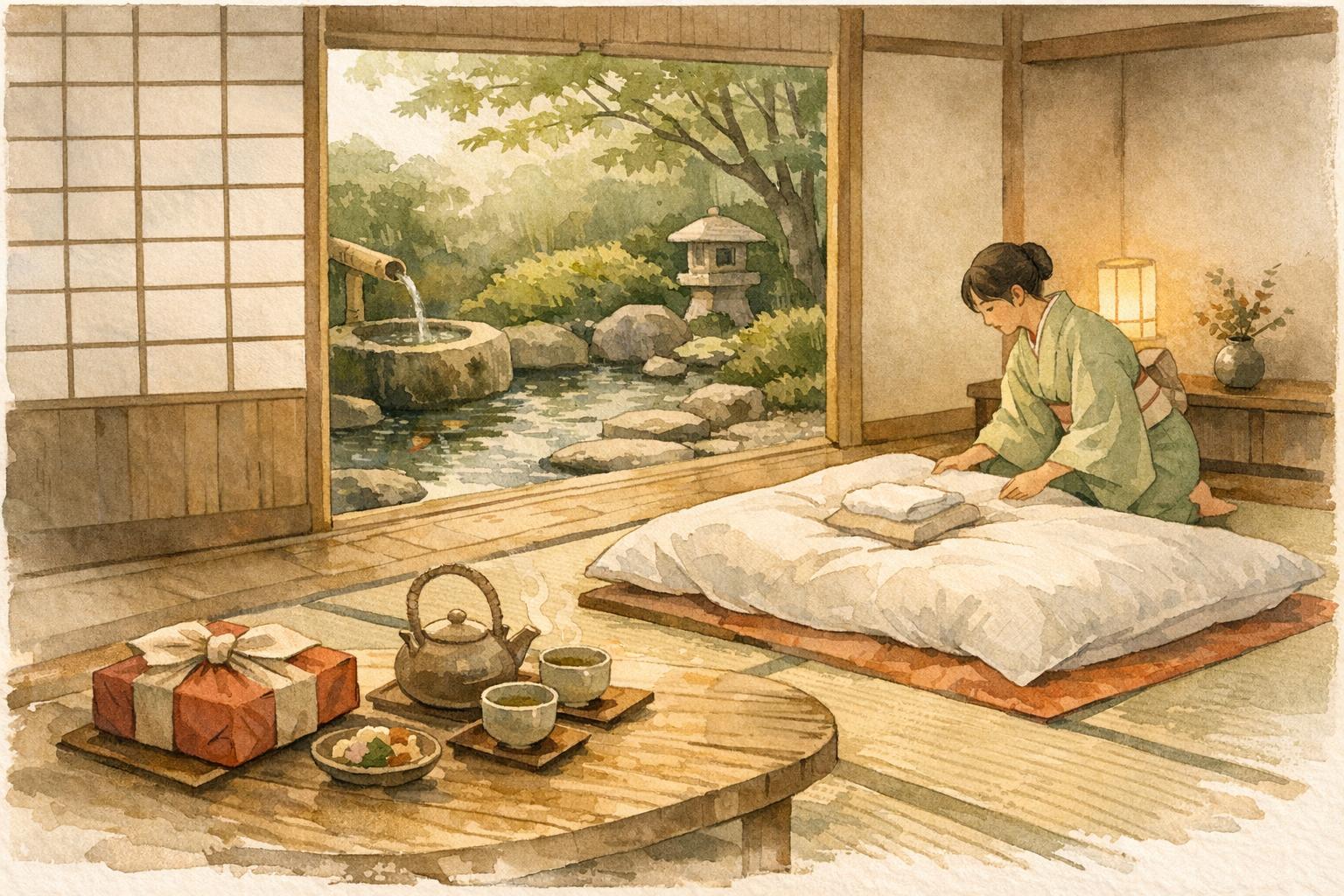
The clearest place to begin is with one practical fact. Omotenashi works best when it solves a need before that need becomes awkward to mention. A host notices the weather, the age of the guest, the season, and the shape of the occasion before deciding what feels suitable. This makes the service feel light because the guest does not need to negotiate every small comfort aloud. This is where broad stereotypes usually become too thin.
There is also a social layer to notice. The goal is not theatrical friendliness but a feeling that the environment has already been tuned with care. What looks natural usually depends on learned timing, repeated exposure, and a shared sense of what fits the situation.
Before the request is spoken
A ryokan meal that changes its bowl, timing, and temperature to match the season is a classic example of this anticipatory style. The guest is respected by being observed carefully, not by being overwhelmed. That is often the moment when the subject stops feeling abstract and starts feeling lived.
Care without self-advertising
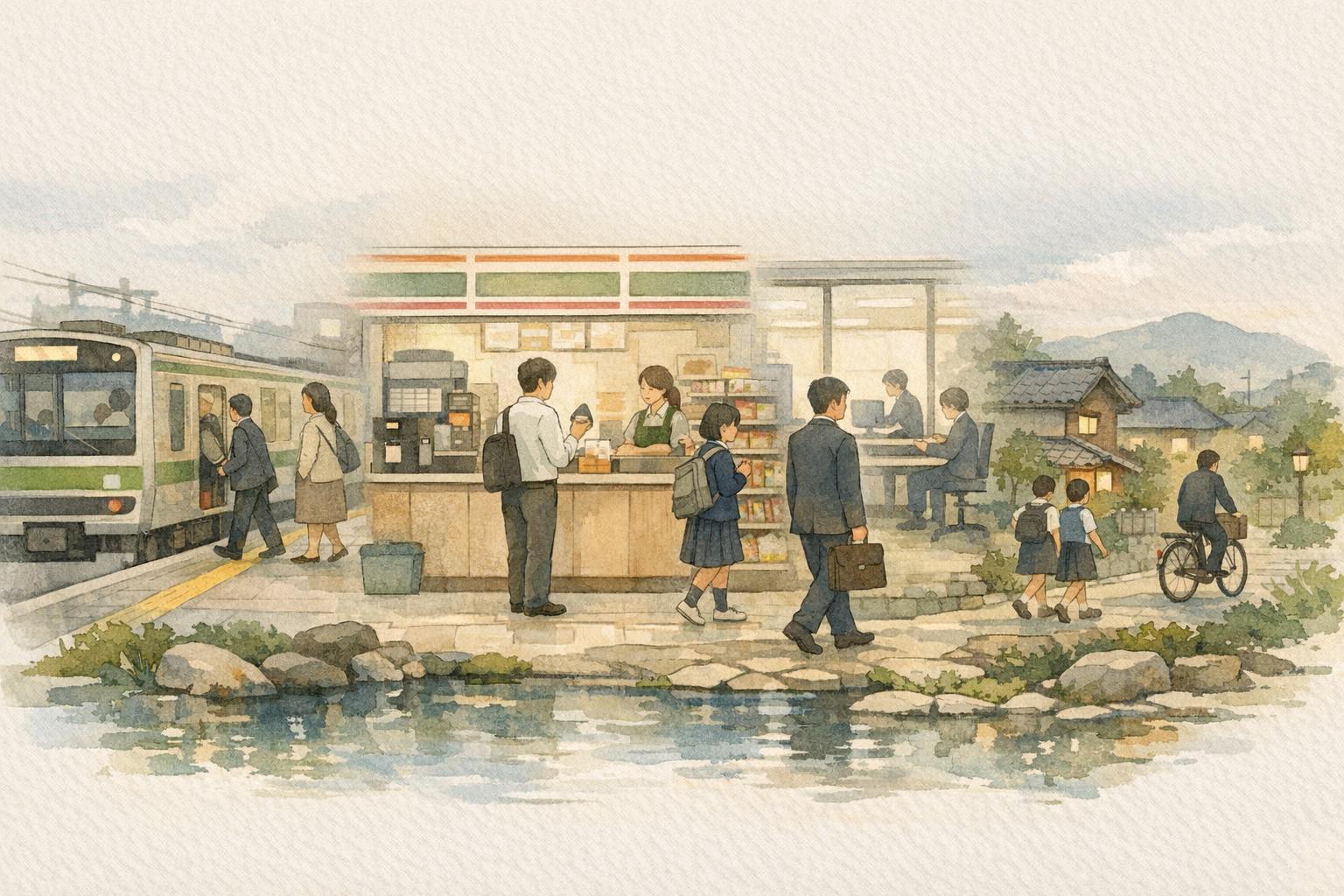
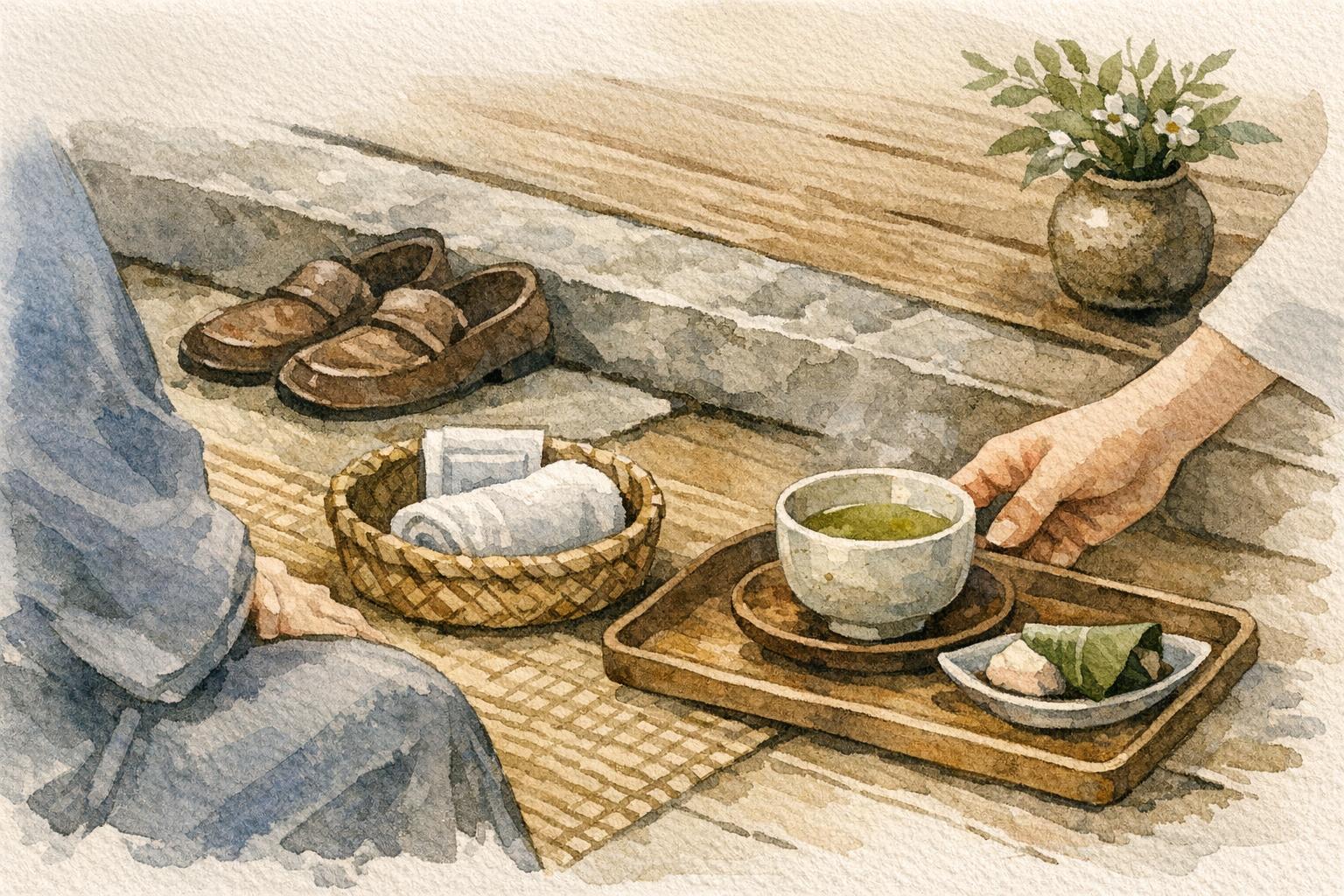
A closer look makes the pattern easier to read. In Japan, good care is often designed to feel natural enough that it almost disappears. Department-store clerks, station staff, and cafe workers often use controlled language and body movement to keep the atmosphere smooth. Even when rules shape the behavior, the ideal is that the guest experiences ease rather than procedure. The detail matters because it changes how the whole subject is understood.
There is also a social layer to notice. Because of that, omotenashi can look modest from the outside while demanding intense attention from the person offering it. What looks natural usually depends on learned timing, repeated exposure, and a shared sense of what fits the situation.
Service as atmosphere
The most memorable service is often the one that simply made a difficult moment feel easy without drawing praise to itself. That blend of discipline and softness is part of what gives the concept its distinctive tone. That is often the moment when the subject stops feeling abstract and starts feeling lived.
How the idea travels through daily life
The idea is visible in inns, restaurants, trains, gift wrapping, customer service, and many ordinary exchanges that do not call attention to themselves. Much of Japanese culture becomes visible through repetition rather than through declaration, so small gestures often carry more meaning than formal explanation. This is one reason the topic tends to feel ordinary to people in Japan while seeming highly distinctive to outside observers.
It continues to matter because people often judge care by smoothness, timing, and the absence of awkwardness rather than by open performance. Continuity here does not mean the form never changes. It means newer habits often settle on top of older ways of noticing, organizing time, and sharing space.
Quiet repetition
If you want to follow the same thread from another angle, see Japanese Tea Ceremony: Meaning Behind Every Move and Daily Life in Japan: A Simple Routine Explained. Placed beside one another, those essays show how one part of Japanese life opens into another.
Closing Reflection
That is why omotenashi can feel gentle yet exacting: it asks people to think ahead, not merely to react politely. The subject opens naturally onto bowing, silence, and the wider Japanese preference for thoughtful social choreography.
Read beside essays on cities, food, and everyday practice, the subject becomes part of a wider cultural pattern rather than a separate curiosity.
Another useful way to read this subject is to notice how often it appears without announcing itself. Omotenashi is often translated as hospitality, but the word points more precisely to care that is prepared in advance and offered without self-advertisement. That quiet familiarity is one reason the topic can feel deeper over time instead of becoming exhausted once the basic facts are known.
It also helps to place the topic in relation to nearby subjects rather than isolating it. The essays on Japanese Tea Ceremony: Meaning Behind Every Move and Daily Life in Japan: A Simple Routine Explained show how the same cultural logic travels into adjacent parts of Japanese life.
Another useful way to read this subject is to notice how often it appears without announcing itself. Omotenashi is often translated as hospitality, but the word points more precisely to care that is prepared in advance and offered without self-advertisement. That quiet familiarity is one reason the topic can feel deeper over time instead of becoming exhausted once the basic facts are known.