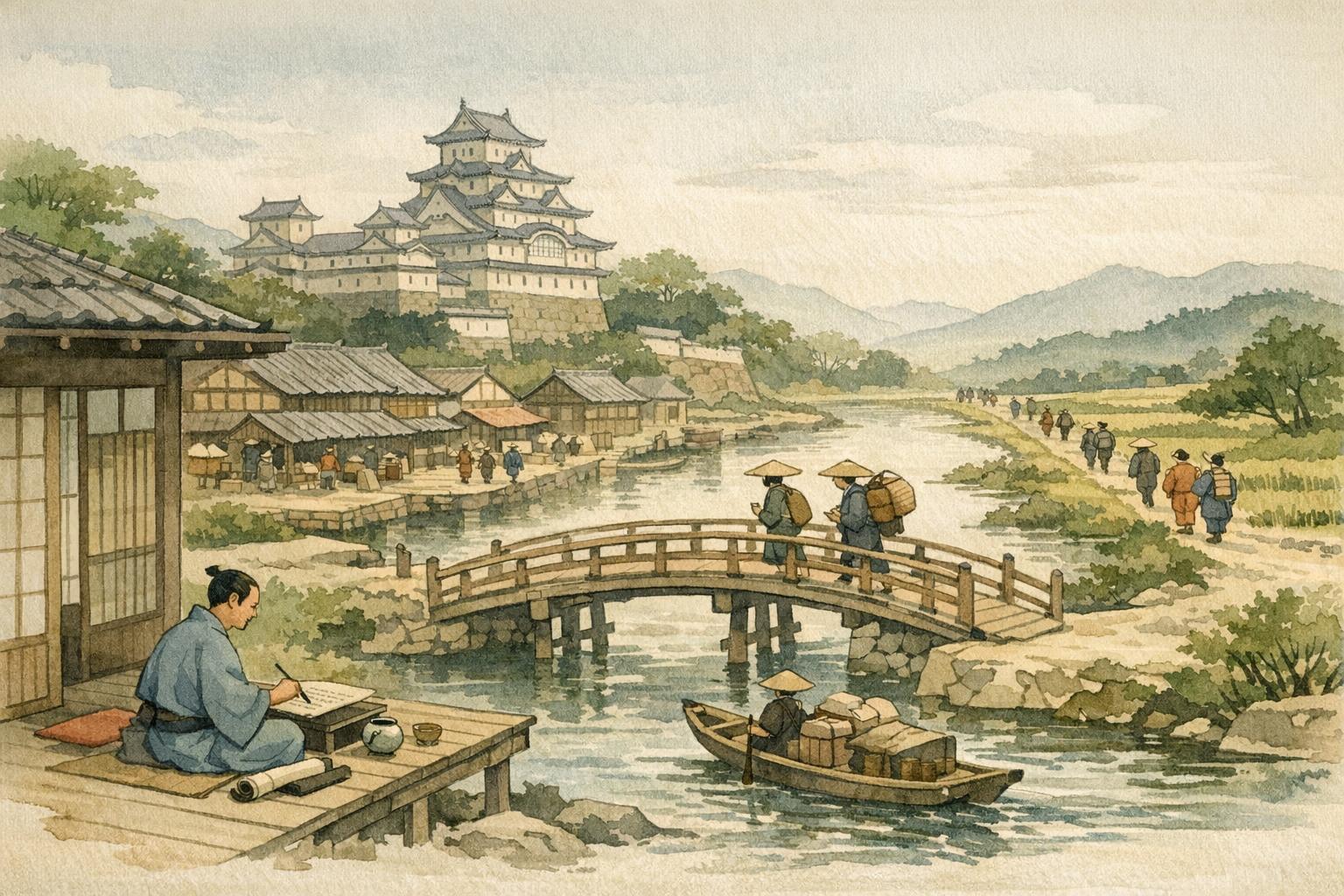
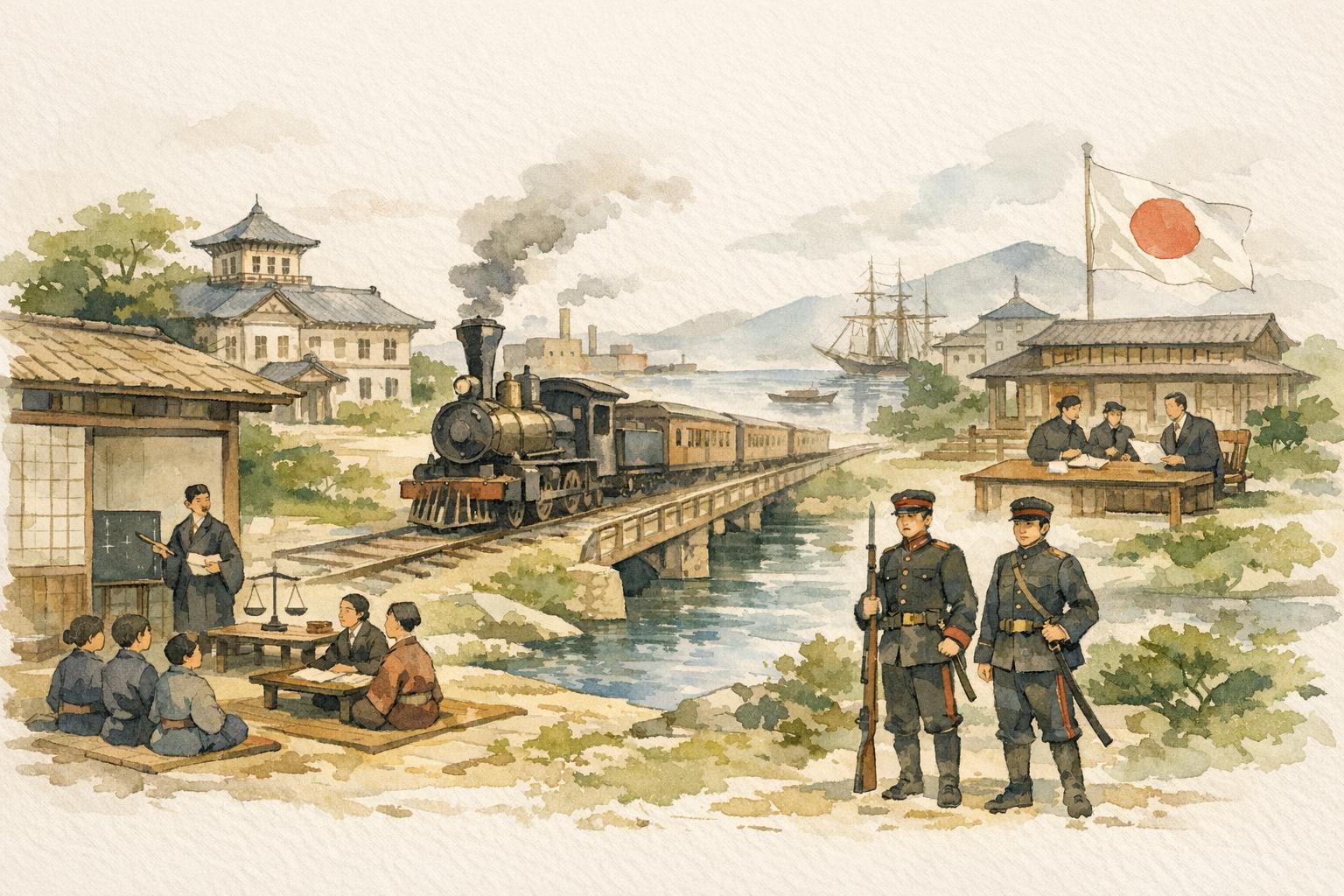
The samurai are often imagined only as warriors, yet for much of Japanese history they also governed, studied, administered, and shaped ideals of conduct. Their importance lies in how military status gradually became a wider system of authority, discipline, and cultural prestige. Looking closely at ordinary routines often explains more than a list of isolated facts.
In this article, the subject is treated as part of lived Japanese culture rather than as a decorative symbol. That means paying attention to timing, space, habit, and the emotional atmosphere that grows around repeated practice.
More than sword fighters
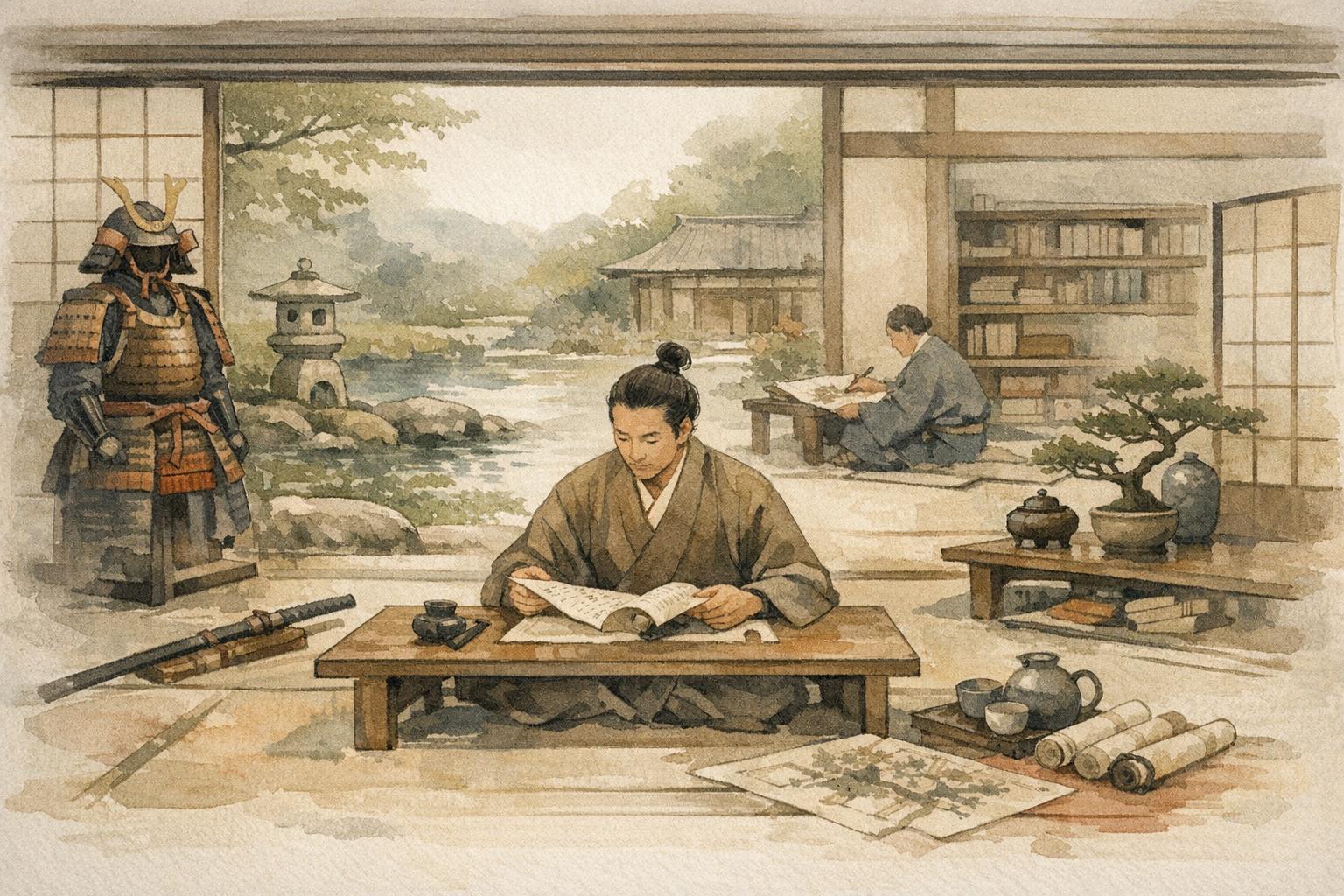
The clearest place to begin is with one practical fact. By the early modern period, many samurai spent more time reading, governing, and managing than fighting in open battle. Their role expanded because political order needed literate officials as much as armed retainers. This shift helps explain why the samurai left such a deep cultural trace even after warfare changed. This is where broad stereotypes usually become too thin.
There is also a social layer to notice. They became part of the structure of rule, not only its military edge. What looks natural usually depends on learned timing, repeated exposure, and a shared sense of what fits the situation.
The samurai were also administrators
A samurai household in the Edo period was often as connected to paperwork and status duty as to martial training. Historical prestige usually grows when a group shapes institutions as well as imagination. That is often the moment when the subject stops feeling abstract and starts feeling lived.
Ethics, loyalty, and later myth
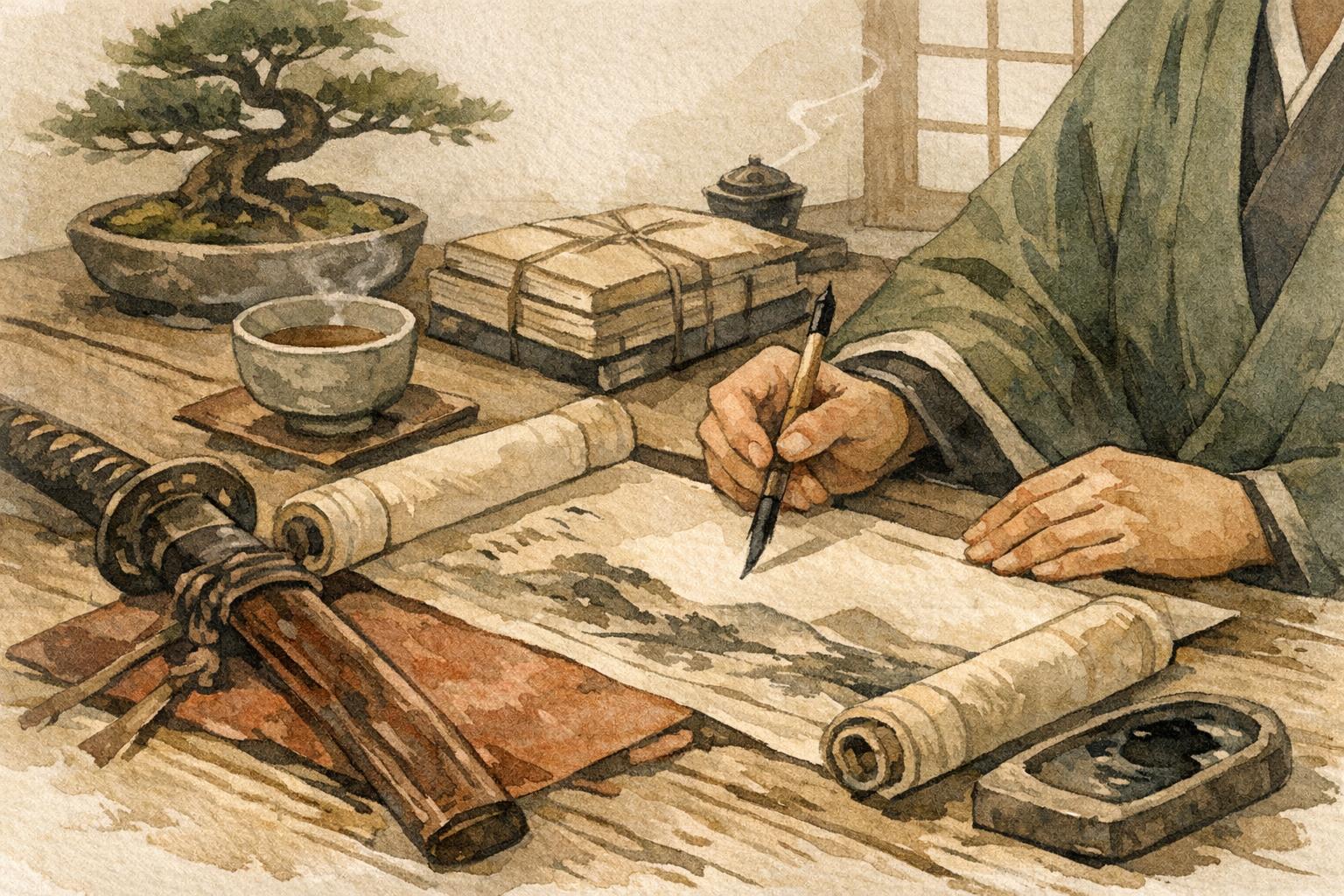
A closer look makes the pattern easier to read. Ideas about honor and loyalty became attached to samurai identity, but they changed across periods and were often simplified later. Modern images of bushido can make the past look more uniform than it really was. Even so, the language of discipline, self-command, and service became powerful in Japanese cultural memory. The detail matters because it changes how the whole subject is understood.
There is also a social layer to notice. The myth matters because it influenced later education and national storytelling. What looks natural usually depends on learned timing, repeated exposure, and a shared sense of what fits the situation.
Bushido was not a single timeless code
What people now imagine as the samurai spirit often combines older practice with later reinterpretation. History becomes especially influential when it is retold as moral example. That is often the moment when the subject stops feeling abstract and starts feeling lived.
Why the samurai still matter
What matters first is the lived structure beneath the surface image. Museums, dramas, novels, and tourism continue to use the samurai as a way of talking about courage, order, loss, and transition. The appeal is strong because the class stands at the meeting point of violence, refinement, hierarchy, and national change. That complexity gives the samurai a longer life in memory than many other historical groups. Seen that way, the topic moves from symbol to daily habit.
There is also a social layer to notice. They remain meaningful because they can symbolize both discipline and the fragility of old systems. What looks natural usually depends on learned timing, repeated exposure, and a shared sense of what fits the situation.
Memory keeps reshaping the class
A castle town today may market samurai heritage not only as history, but as a lens for understanding what Japan once valued and later transformed. The past stays alive when it offers a language for thinking about the present. That is often the moment when the subject stops feeling abstract and starts feeling lived.
Why the period still matters
The image of the samurai survives in education, literature, film, museums, and popular memory, but the historical reality was more varied and institutional. Japanese history is often encountered through schools, museums, ceremonies, and place names, so the past remains embedded in ordinary vocabulary and public space. This is one reason the topic tends to feel ordinary to people in Japan while seeming highly distinctive to outside observers.
The fascination remains strong because samurai history touches both political power and moral imagination in Japan. Continuity here does not mean the form never changes. It means newer habits often settle on top of older ways of noticing, organizing time, and sharing space.
History in everyday language
If you want to follow the same thread from another angle, see The Edo Period: When Japan Closed Itself to the World and How Japan Modernized So Quickly. Placed beside one another, those essays show how one part of Japanese life opens into another.
Closing Reflection
Looking closely at the samurai reveals how a military class could become a social and symbolic model far beyond war itself. The subject connects naturally with the Edo period, the story of the shoguns, and the later modernization that transformed older hierarchies.
Read beside essays on cities, food, and everyday practice, the subject becomes part of a wider cultural pattern rather than a separate curiosity.