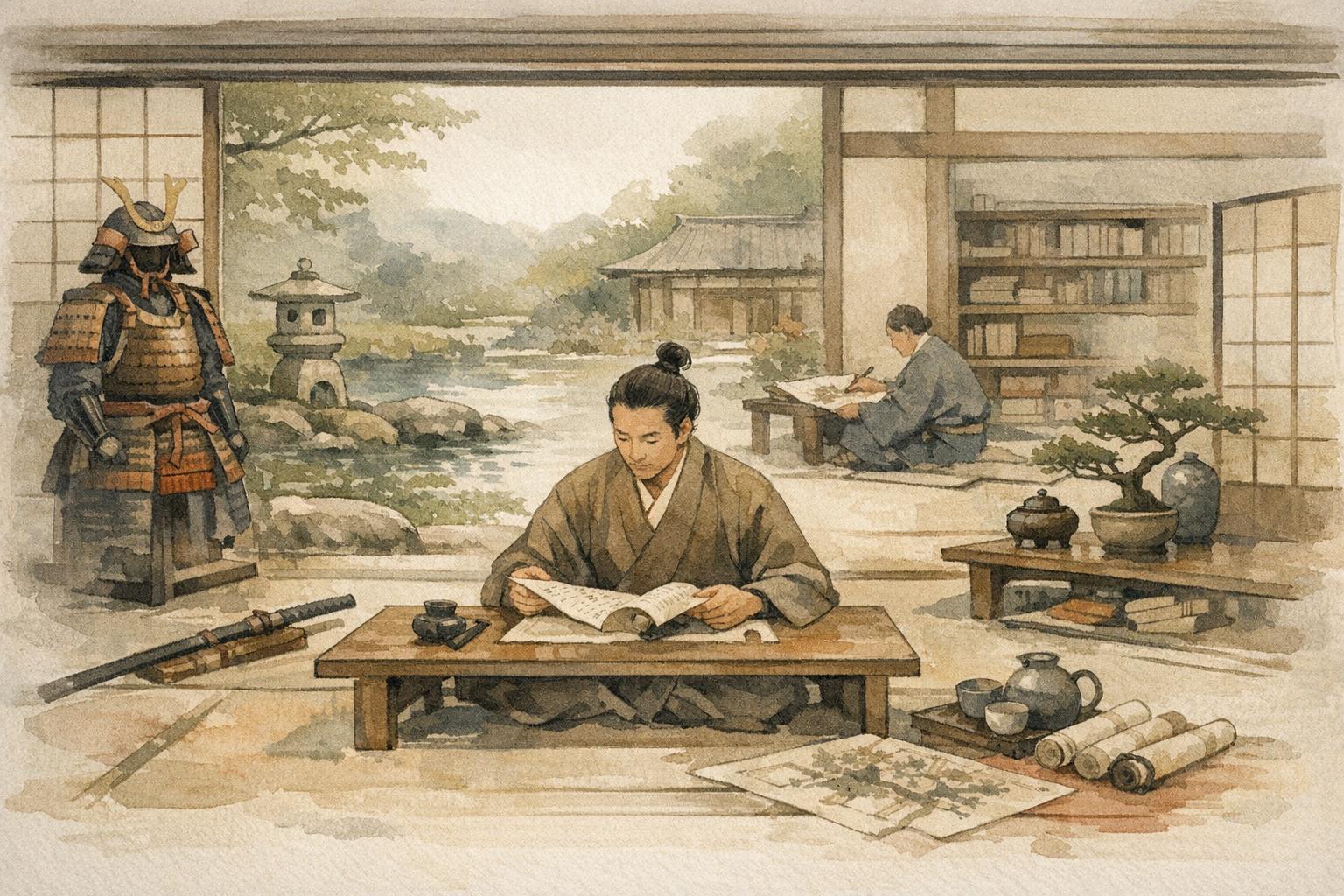
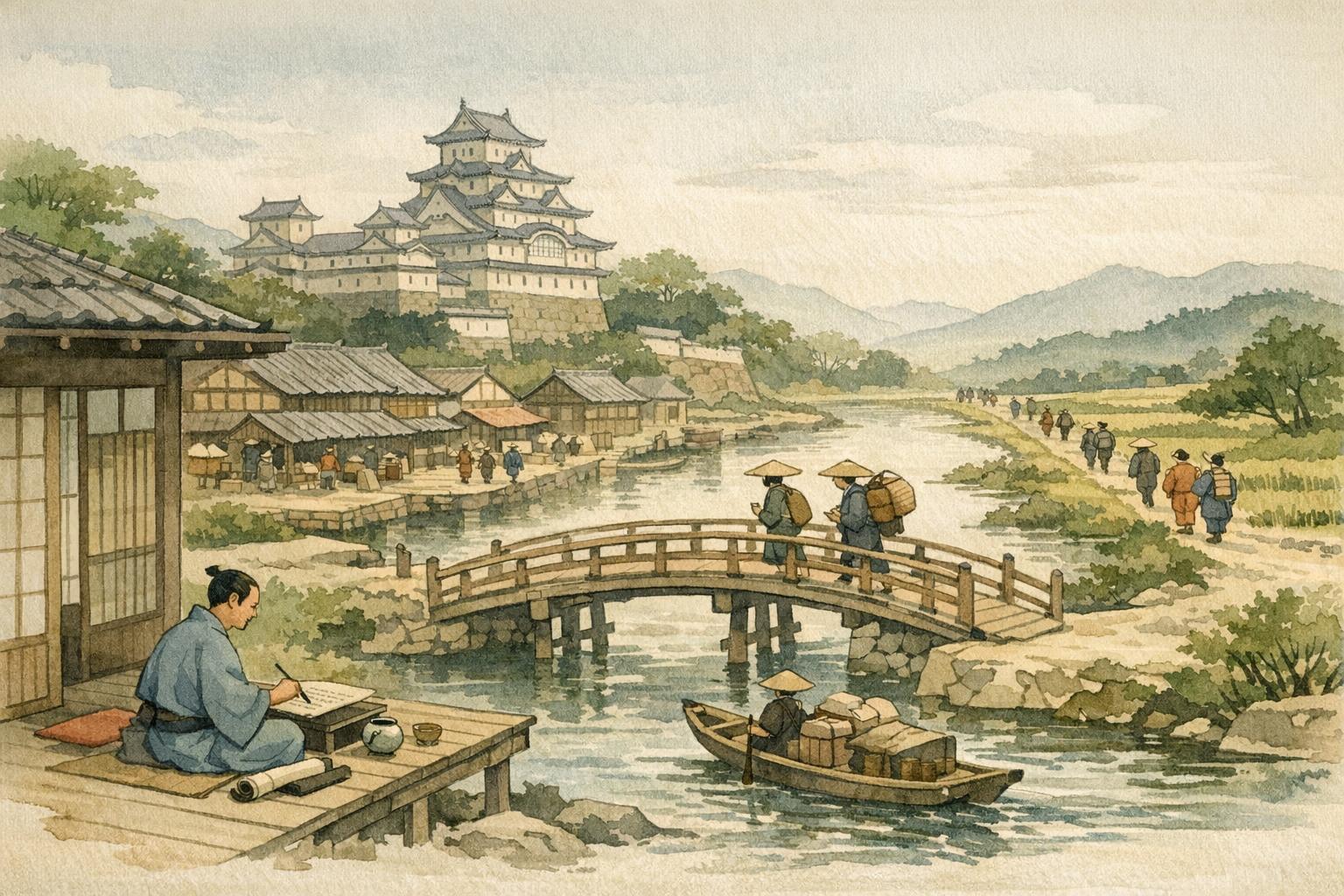
The story of the shoguns is the story of how military leaders came to govern Japan while emperors remained symbolically central. It matters because the shogunate shaped political order, class structure, regional power, and the balance between court and warrior authority. Looking closely at ordinary routines often explains more than a list of isolated facts.
In this article, the subject is treated as part of lived Japanese culture rather than as a decorative symbol. That means paying attention to timing, space, habit, and the emotional atmosphere that grows around repeated practice.
Why the shoguns mattered
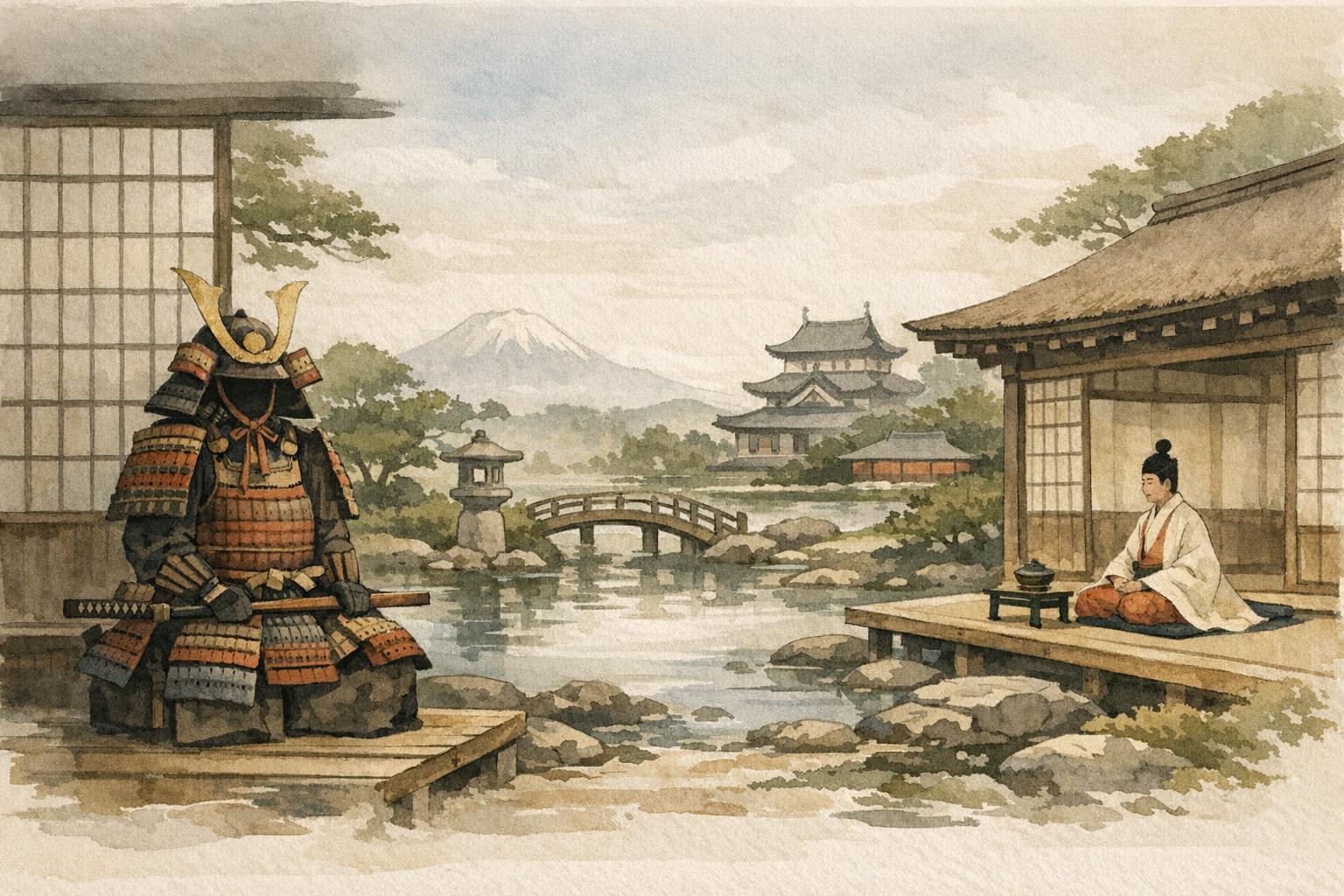
The clearest place to begin is with one practical fact. Shoguns were not simply battlefield figures, but leaders who turned military authority into durable systems of governance. Their rule shaped taxation, regional power, class hierarchy, and the relationship between local lords and the center. That is why the shogunate matters even beyond the dramatic image of armor and swords. This is where broad stereotypes usually become too thin.
There is also a social layer to notice. Real political power leaves its deepest mark when it builds institutions as well as victories. What looks natural usually depends on learned timing, repeated exposure, and a shared sense of what fits the situation.
Military rule became political structure
The title of shogun came to signal a whole arrangement of authority, not just one person's strength in war. History becomes clearer when power is studied through structure rather than legend alone. That is often the moment when the subject stops feeling abstract and starts feeling lived.
Different eras, different shogunates
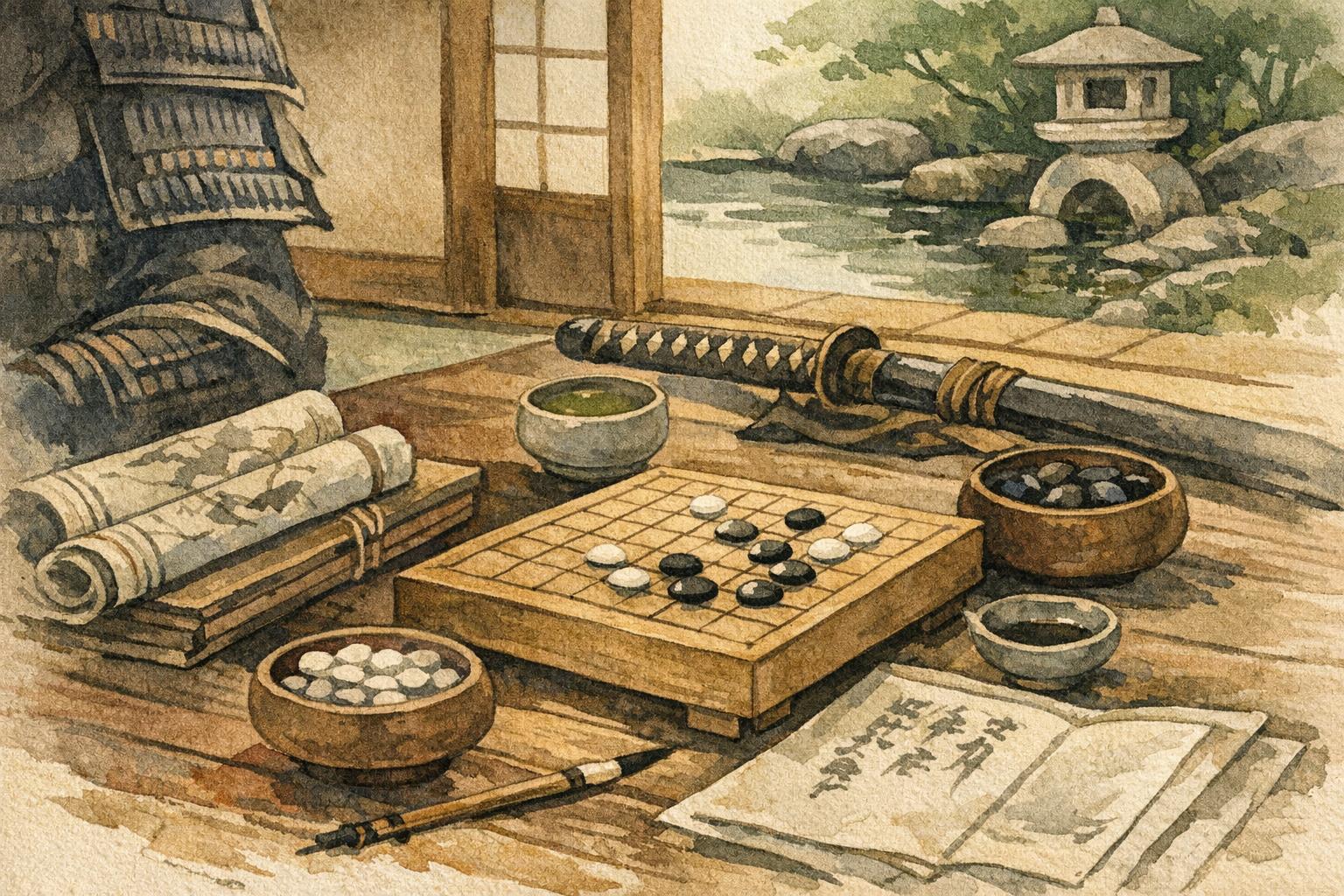
A closer look makes the pattern easier to read. Japan had more than one shogunate, and each period handled military and political power differently. The Kamakura, Ashikaga, and Tokugawa orders did not govern with the same strength, reach, or stability. This variation matters because it prevents the story from collapsing into one flat image of warrior rule. The detail matters because it changes how the whole subject is understood.
There is also a social layer to notice. The institution lasted, but its form evolved dramatically. What looks natural usually depends on learned timing, repeated exposure, and a shared sense of what fits the situation.
Rule changed across time
The Tokugawa shogunate created a much more stable and tightly organized order than some earlier military governments had achieved. Long-lived institutions still contain multiple historical worlds inside them. That is often the moment when the subject stops feeling abstract and starts feeling lived.
Why people still talk about the shoguns
What matters first is the lived structure beneath the surface image. The shoguns remain culturally visible because they stand at the center of Japanese political drama, castle memory, and the popular imagination of the premodern state. They help people understand how Japan could be both highly stratified and regionally complex for long periods of time. The story also explains why the Meiji transformation felt so radical when older political arrangements were dismantled. Seen that way, the topic moves from symbol to daily habit.
There is also a social layer to notice. The shogunate remains a key to reading both continuity and rupture in Japanese history. What looks natural usually depends on learned timing, repeated exposure, and a shared sense of what fits the situation.
Memory turns rulers into symbols
Visitors standing in an old castle town are often looking at urban forms that once made sense under shogunal power long before modern democracy. Past governments endure when they leave marks in roads, towns, and habits of administration. That is often the moment when the subject stops feeling abstract and starts feeling lived.
Why the period still matters
Different shogunates ruled in different ways, but together they created a long tradition of military government that still frames Japanese history. Japanese history is often encountered through schools, museums, ceremonies, and place names, so the past remains embedded in ordinary vocabulary and public space. This is one reason the topic tends to feel ordinary to people in Japan while seeming highly distinctive to outside observers.
The subject remains important because later Japan was built partly in reaction to structures first stabilized under shogunal rule. Continuity here does not mean the form never changes. It means newer habits often settle on top of older ways of noticing, organizing time, and sharing space.
History in everyday language
If you want to follow the same thread from another angle, see The Samurai: More Than Just Warriors and The Edo Period: When Japan Closed Itself to the World. Placed beside one another, those essays show how one part of Japanese life opens into another.
Closing Reflection
Looking closely at the shoguns clarifies how power in Japan was organized across centuries before modern state reform. The topic opens naturally onto the samurai, the Edo period, and the rapid modernization that later dismantled older rule.
Read beside essays on cities, food, and everyday practice, the subject becomes part of a wider cultural pattern rather than a separate curiosity.