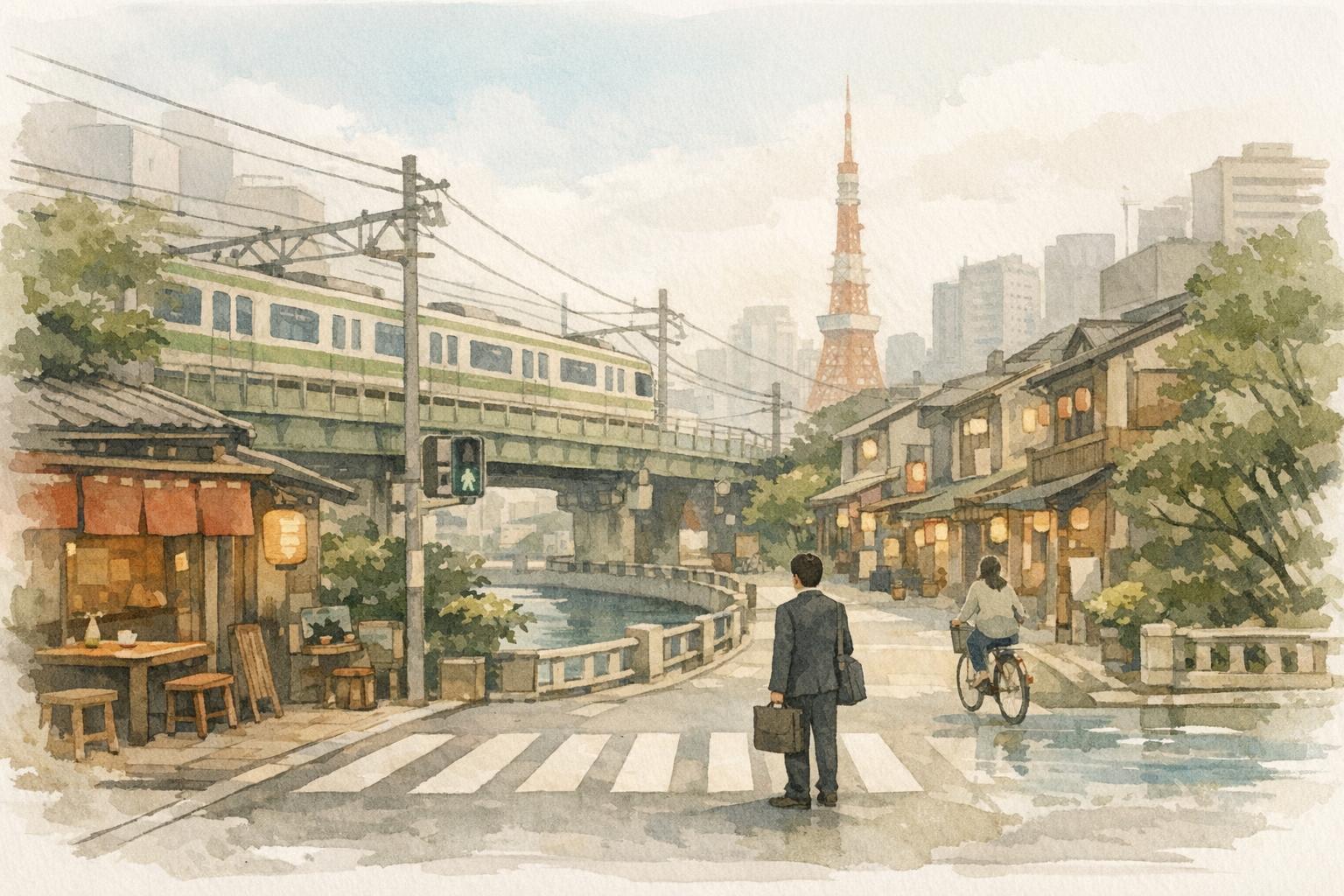
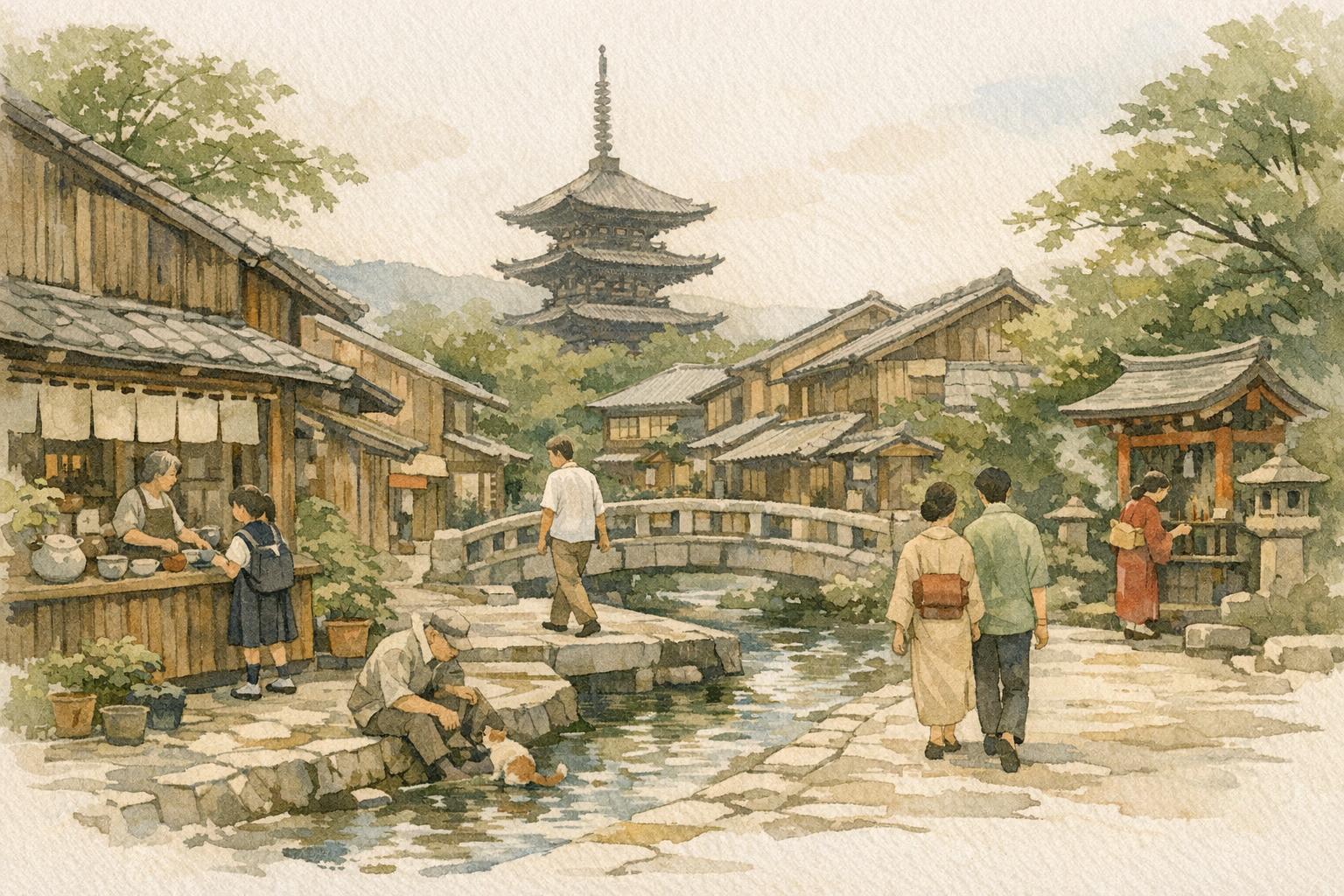
Tokyo and Kyoto are often treated as opposites, one modern and restless, the other historical and composed, but the contrast is more revealing when it is treated as a dialogue. Each city highlights a different side of Japan's identity, and together they show how continuity and change coexist rather than cancel one another. Looking closely at ordinary routines often explains more than a list of isolated facts.
In this article, the subject is treated as part of lived Japanese culture rather than as a decorative symbol. That means paying attention to timing, space, habit, and the emotional atmosphere that grows around repeated practice.
Two cities, two kinds of rhythm
The clearest place to begin is with one practical fact. Tokyo presents itself through motion, scale, and overlapping functions, while Kyoto often feels slower, more patterned, and more visibly tied to memory. That difference is not only visual; it changes how people walk, shop, visit temples, choose neighborhoods, and read public space. One city emphasizes restless reinvention, the other continuity filtered through preservation and local custom. This is where broad stereotypes usually become too thin.
There is also a social layer to notice. The contrast helps make each place easier to understand. What looks natural usually depends on learned timing, repeated exposure, and a shared sense of what fits the situation.
Speed and pause tell different stories
A day in central Tokyo can feel like moving through systems, while a day in Kyoto often feels like moving through layers. Cities teach culture partly through the pace they ask from the body. That is often the moment when the subject stops feeling abstract and starts feeling lived.
Why the contrast can be misleading
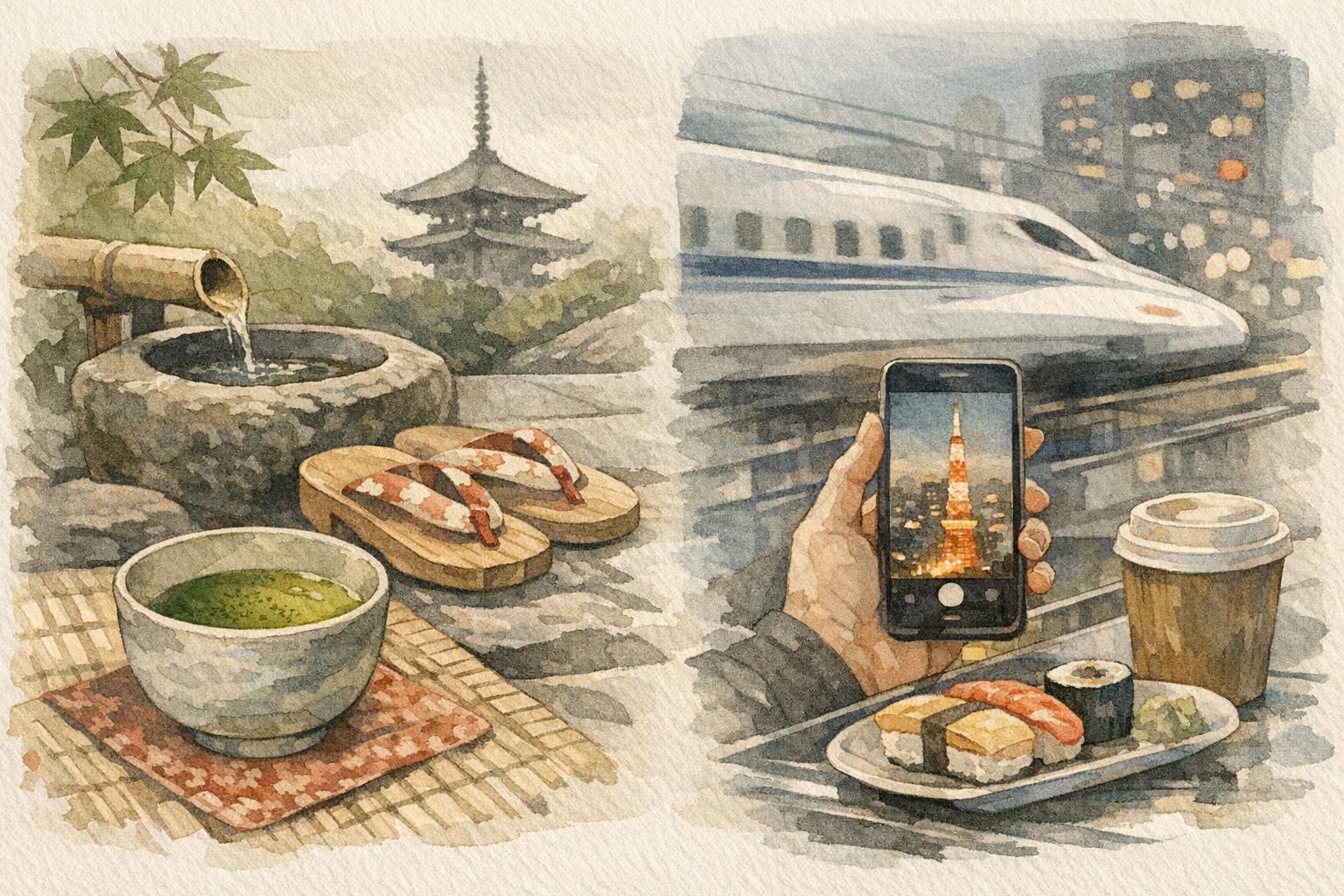
A closer look makes the pattern easier to read. Kyoto is not frozen in the past, and Tokyo is not simply detached from history. Kyoto contains students, commuters, chain stores, and apartment life, while Tokyo preserves older neighborhoods, shrines, gardens, and long local habits. The real difference lies in emphasis and atmosphere rather than in a simple division between old and new. The detail matters because it changes how the whole subject is understood.
There is also a social layer to notice. That is why visitors understand both cities better when they stop treating them as caricatures. What looks natural usually depends on learned timing, repeated exposure, and a shared sense of what fits the situation.
Old and modern exist in both places
A quiet shopping street in Tokyo or a busy station district in Kyoto quickly shows how incomplete the stereotype can be. Good comparisons clarify difference without turning it into myth. That is often the moment when the subject stops feeling abstract and starts feeling lived.
What the pair reveals about Japan
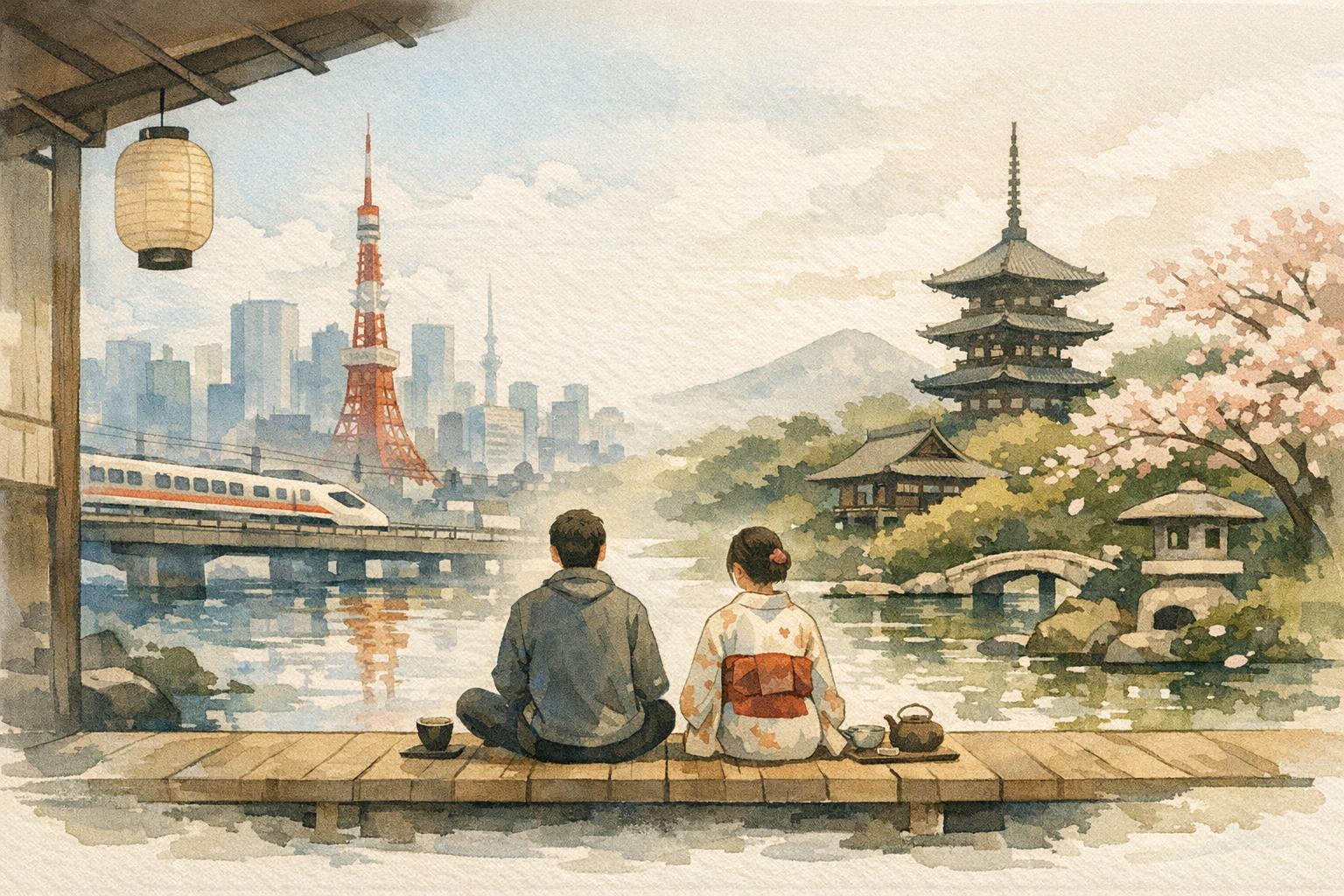
What matters first is the lived structure beneath the surface image. Together, Tokyo and Kyoto show how Japan can modernize aggressively while still preserving strong emotional attachment to ritual, craft, and place. One city highlights innovation, access, and scale, while the other highlights continuity, atmosphere, and historical depth. Neither alone can explain the country fully, but the tension between them is highly revealing. Seen that way, the topic moves from symbol to daily habit.
There is also a social layer to notice. Japan often becomes most legible when contrasting modes are held together rather than separated. What looks natural usually depends on learned timing, repeated exposure, and a shared sense of what fits the situation.
Identity often comes from balance
People who love Tokyo for its energy often turn to Kyoto for another kind of concentration, and the reverse is equally true. The pair works because each city sharpens the meaning of the other. That is often the moment when the subject stops feeling abstract and starts feeling lived.
How place shapes rhythm
Travelers often experience them back to back, which makes their differences in pace, layout, memory, and mood especially vivid. Urban life in Japan is structured by transport, neighborhood identity, and subtle public expectations, so place often acts like a social teacher. This is one reason the topic tends to feel ordinary to people in Japan while seeming highly distinctive to outside observers.
The comparison remains useful because both cities are constantly changing while still carrying strong symbolic weight inside and outside Japan. Continuity here does not mean the form never changes. It means newer habits often settle on top of older ways of noticing, organizing time, and sharing space.
Memory in the street
If you want to follow the same thread from another angle, see Why Tokyo Never Sleeps but Still Feels Organized and What Makes Kyoto So Special?. Placed beside one another, those essays show how one part of Japanese life opens into another.
Closing Reflection
Looking at Tokyo and Kyoto together makes it easier to understand how Japan balances reinvention with inherited form. The subject opens naturally onto neighborhood life in Tokyo and the layered atmosphere that still makes Kyoto feel singular.
Read beside essays on cities, food, and everyday practice, the subject becomes part of a wider cultural pattern rather than a separate curiosity.