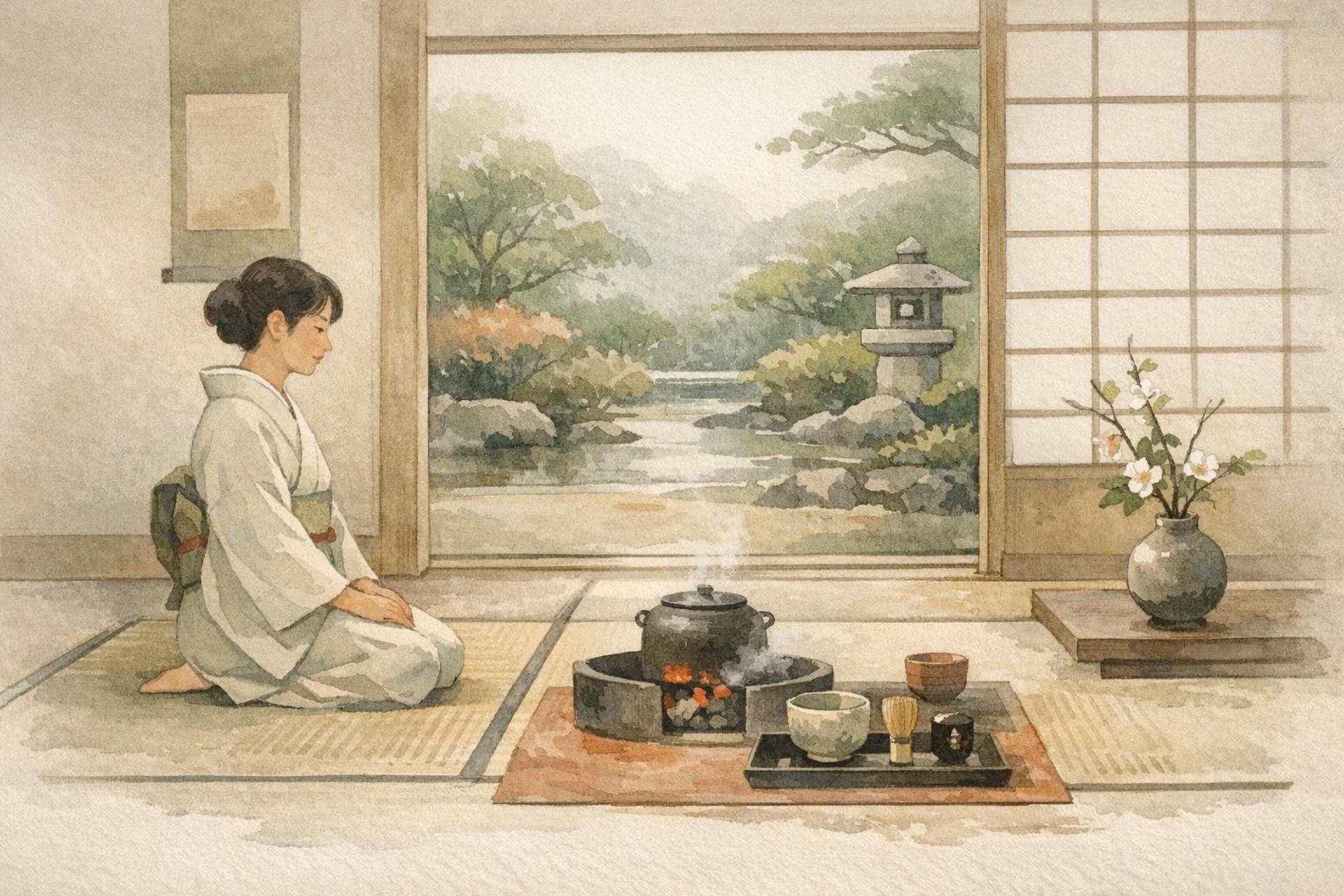
Wagashi are more than sweets; they are small edible designs that bring season, texture, and mood to the table. Their importance in Japan comes from the way they connect taste with appearance, ceremony, and the passing calendar. Looking closely at ordinary routines often explains more than a list of isolated facts.
In this article, the subject is treated as part of lived Japanese culture rather than as a decorative symbol. That means paying attention to timing, space, habit, and the emotional atmosphere that grows around repeated practice.
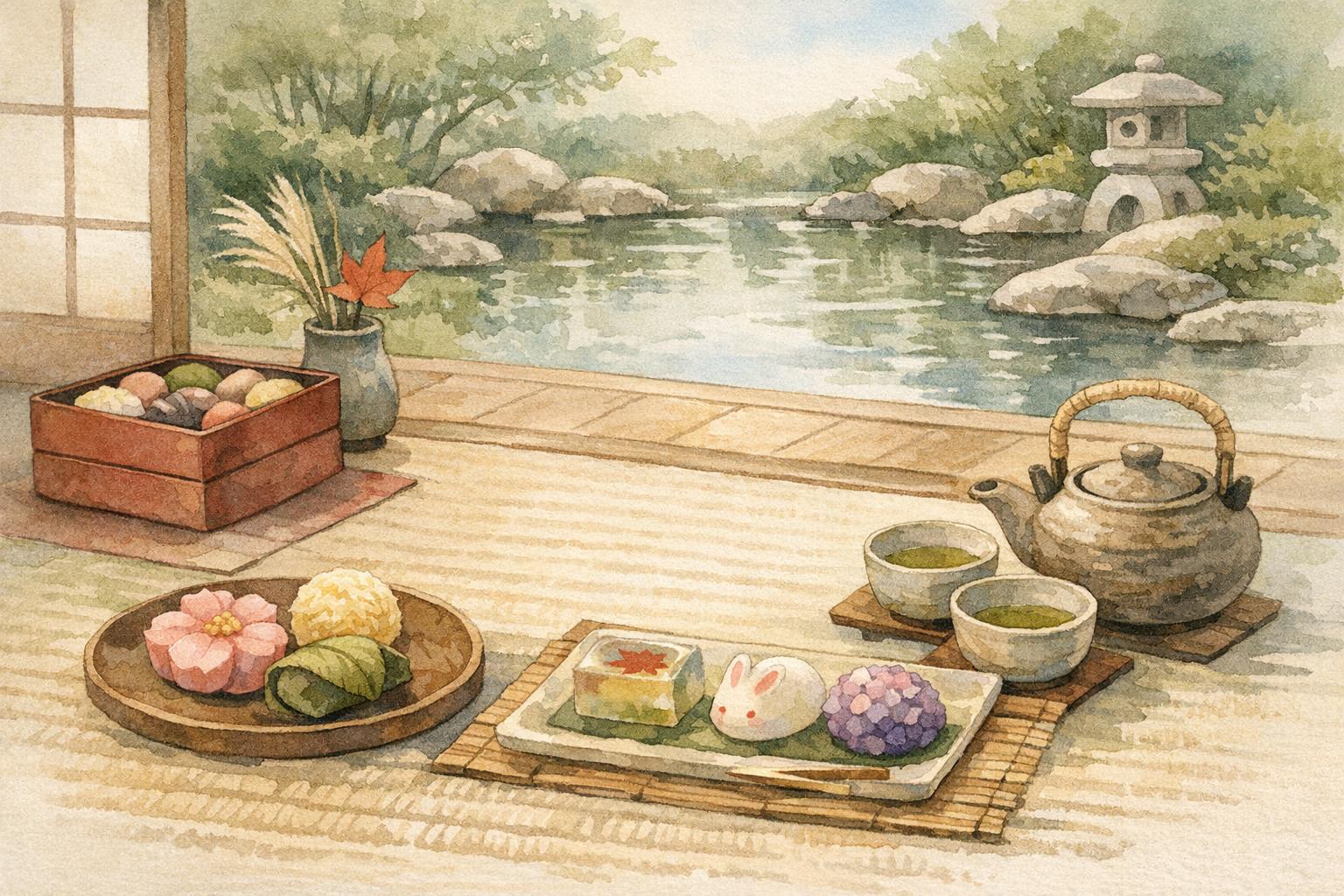
A sweet built for a moment
The clearest place to begin is with one practical fact. Wagashi often feels special because it is made for a specific season, texture, and mood rather than for endless standardization. The sweet may echo blossoms, rain, grass, chestnuts, moonlight, or snow through shape and color without trying to imitate them literally. That artistic restraint makes the sweet feel suggestive instead of decorative in a heavy-handed way. This is where broad stereotypes usually become too thin.
There is also a social layer to notice. Because the portion is small, every detail can remain sharp and intentional. What looks natural usually depends on learned timing, repeated exposure, and a shared sense of what fits the situation.
Ephemeral by design
A spring wagashi may last only a few bites, yet the memory of its color and softness can stay much longer. Its brevity is part of why it feels complete. That is often the moment when the subject stops feeling abstract and starts feeling lived.
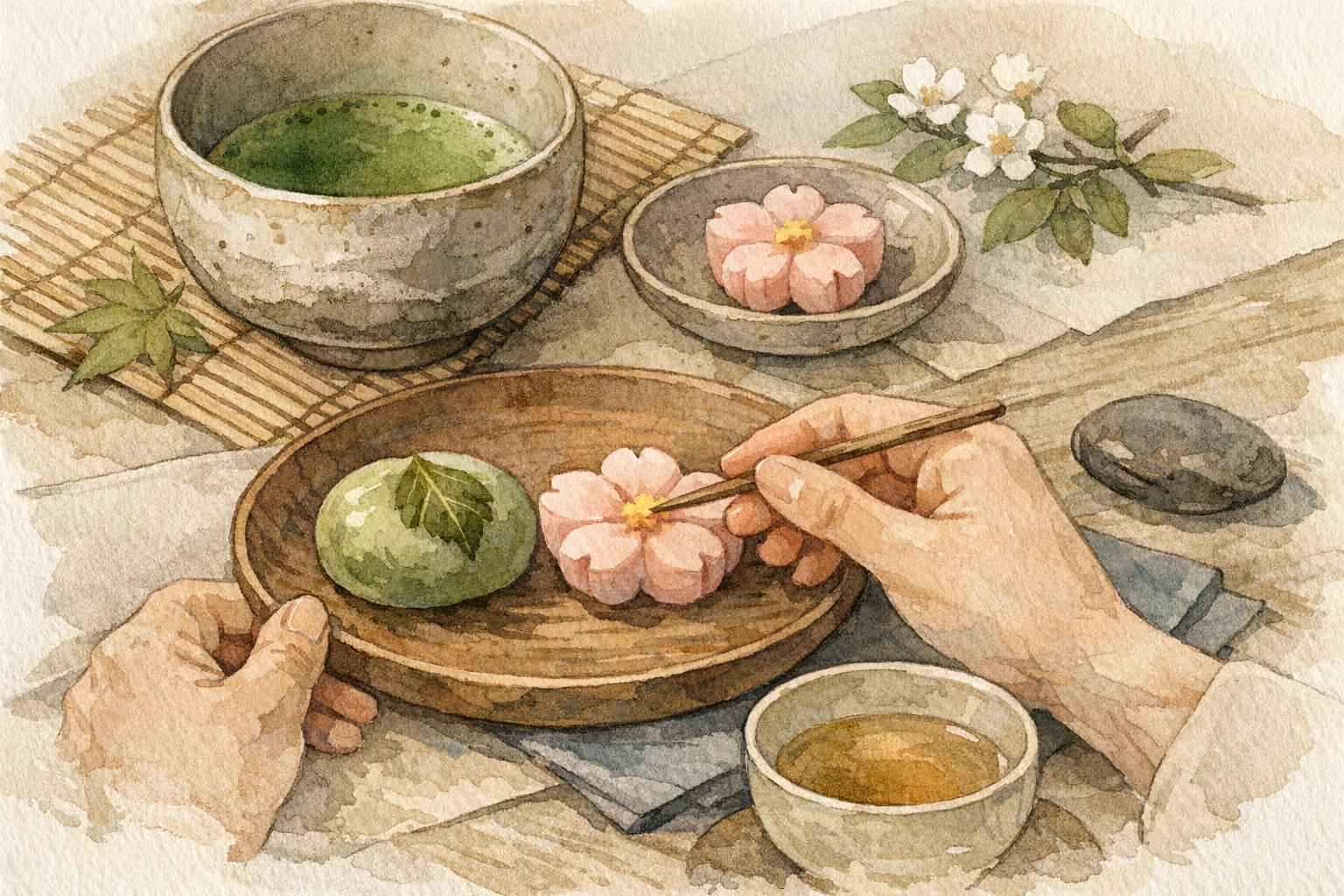
Tea as balance and pacing
A closer look makes the pattern easier to read. Tea matters here not only as a drink but as the structure that gives the sweet emotional and sensory balance. Bitterness and sweetness sharpen one another, while the warmth of the bowl slows the pace of eating. This measured interaction invites attention to hand movement, vessel texture, and the quiet interval between sips. The detail matters because it changes how the whole subject is understood.
There is also a social layer to notice. The result is a tiny ceremony even outside formal tea settings. What looks natural usually depends on learned timing, repeated exposure, and a shared sense of what fits the situation.
Bitterness, softness, pause
In a simple cafe or home kitchen, the pairing can still create a mood of calm concentration. Tea and sweet belong together because each teaches the body how to notice the other. That is often the moment when the subject stops feeling abstract and starts feeling lived.
Where the table meets memory
Served with tea and sold in careful seasonal cycles, wagashi belong to both everyday pleasure and formal cultural practice. Meals in Japan often connect convenience with formality, which is why a quick bowl, a boxed lunch, and a seasonal feast can all feel culturally dense in different ways. This is one reason the topic tends to feel ordinary to people in Japan while seeming highly distinctive to outside observers.
They remain meaningful because they reward attention to subtle change rather than to loud sweetness alone. Continuity here does not mean the form never changes. It means newer habits often settle on top of older ways of noticing, organizing time, and sharing space.
Regional difference
If you want to follow the same thread from another angle, see Japanese Tea Ceremony: Meaning Behind Every Move and What Is Wabi-Sabi? The Beauty of Imperfection in Japan. Placed beside one another, those essays show how one part of Japanese life opens into another.
Closing Reflection
A good wagashi helps people notice season and atmosphere in one small bite, which is why the form can feel so culturally dense. The topic opens naturally onto tea ceremony, food presentation, and the larger Japanese preference for small exact gestures.
Read beside essays on cities, food, and everyday practice, the subject becomes part of a wider cultural pattern rather than a separate curiosity.
Another useful way to read this subject is to notice how often it appears without announcing itself. Wagashi are more than sweets; they are small edible designs that bring season, texture, and mood to the table. That quiet familiarity is one reason the topic can feel deeper over time instead of becoming exhausted once the basic facts are known.
It also helps to place the topic in relation to nearby subjects rather than isolating it. The essays on Japanese Tea Ceremony: Meaning Behind Every Move and What Is Wabi-Sabi? The Beauty of Imperfection in Japan show how the same cultural logic travels into adjacent parts of Japanese life.
Another useful way to read this subject is to notice how often it appears without announcing itself. Wagashi are more than sweets; they are small edible designs that bring season, texture, and mood to the table. That quiet familiarity is one reason the topic can feel deeper over time instead of becoming exhausted once the basic facts are known.