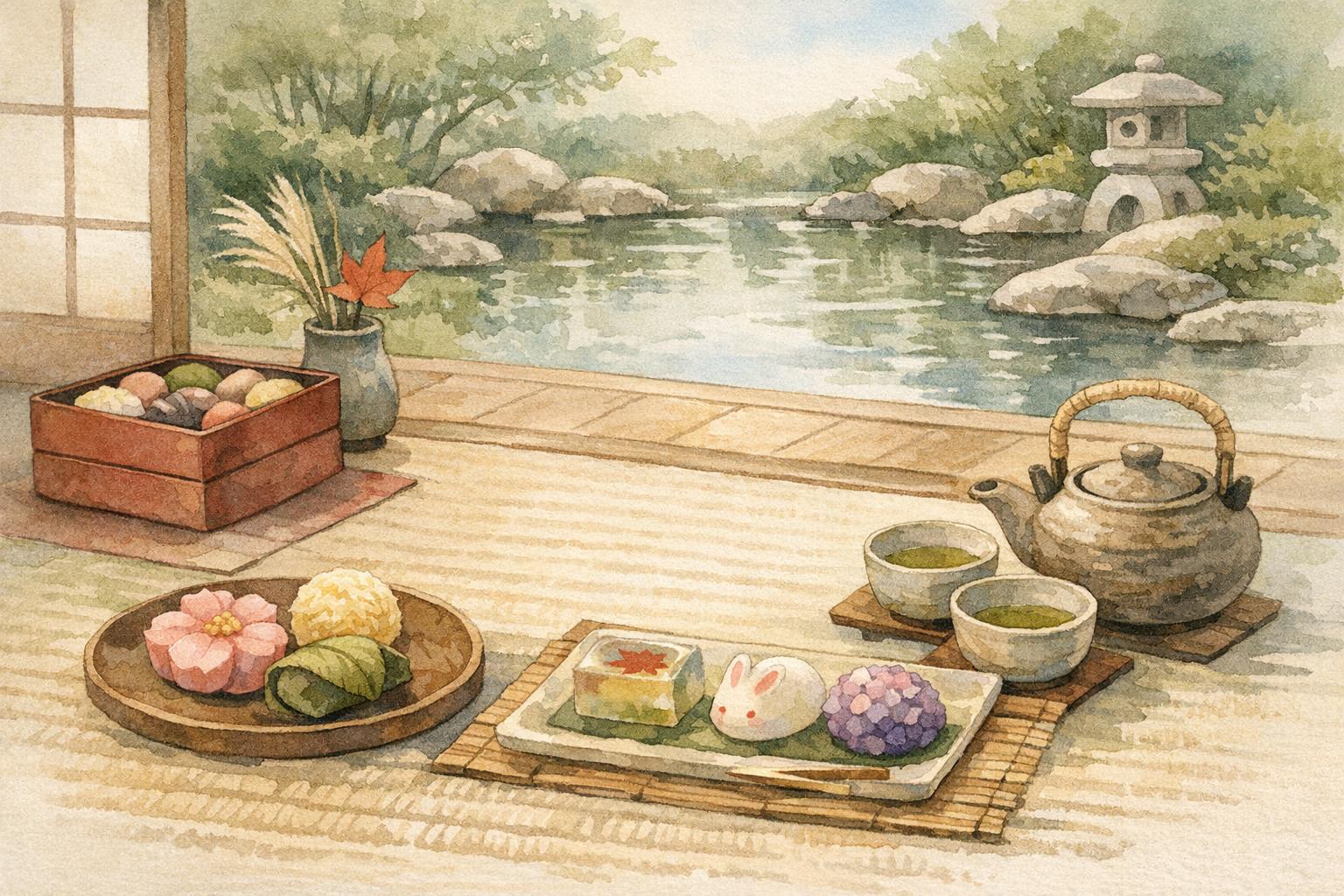
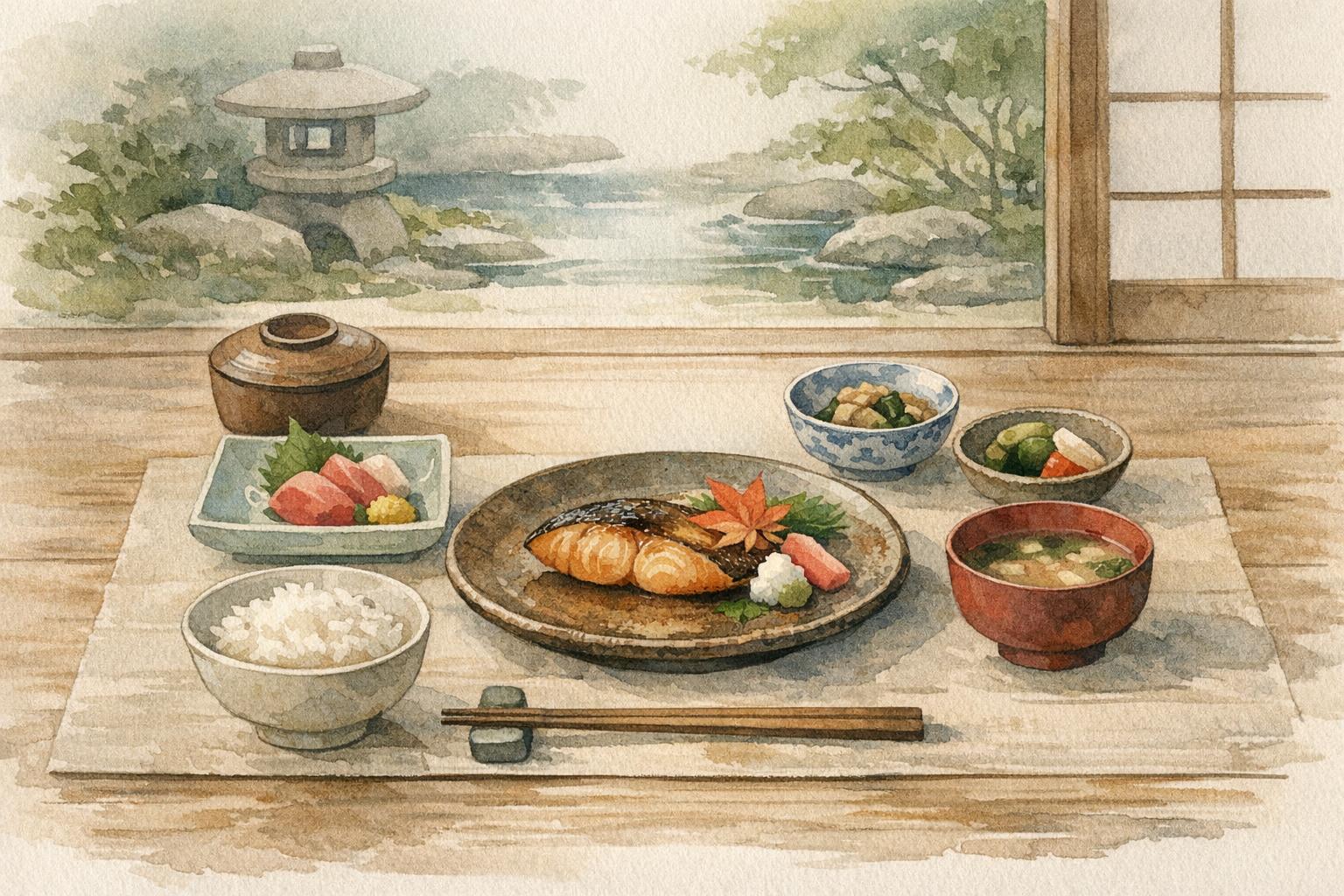
Kyoto is special not simply because it has temples, but because memory, craft, ritual atmosphere, and ordinary life still overlap there so visibly. Its force comes from the way historical depth remains woven into streets, shops, sounds, and seasonal movement. Looking closely at ordinary routines often explains more than a list of isolated facts.
In this article, the subject is treated as part of lived Japanese culture rather than as a decorative symbol. That means paying attention to timing, space, habit, and the emotional atmosphere that grows around repeated practice.
A city shaped by ordinary use
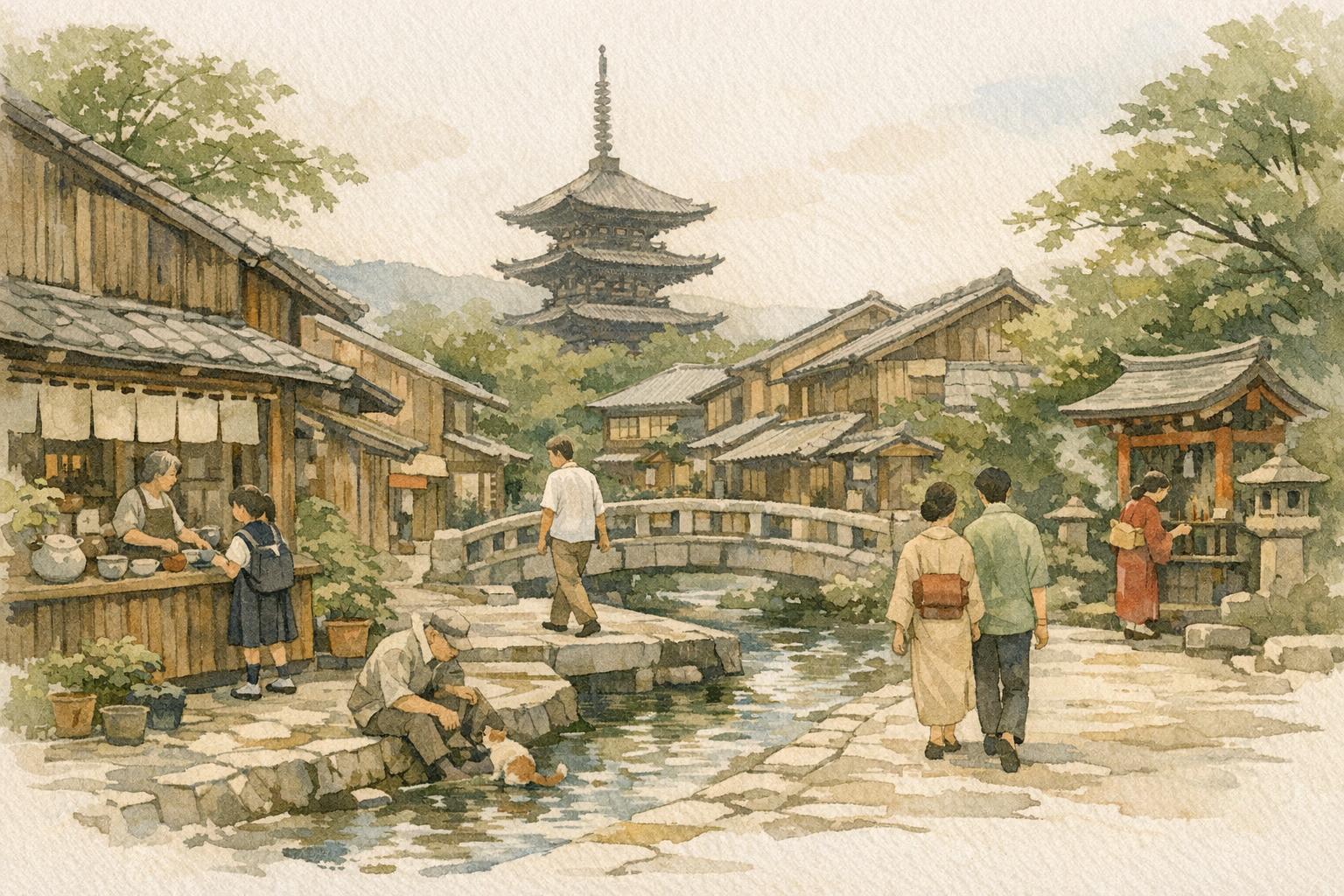
The clearest place to begin is with one practical fact. Kyoto feels distinctive because sacred prestige and mundane routine are often physically close together. A temple wall may sit near laundries, cafes, schools, or apartment blocks, reminding visitors that heritage is part of a working city. This proximity prevents the past from floating away as pure spectacle. This is where broad stereotypes usually become too thin.
There is also a social layer to notice. The city asks to be read through walking speed, neighborhood sound, and recurring daily tasks as much as through famous sites. What looks natural usually depends on learned timing, repeated exposure, and a shared sense of what fits the situation.
Temples and errands in the same frame
The most memorable moment may be passing a centuries-old gate on the way to a convenience store. Kyoto is strongest when it is seen as inhabited continuity. That is often the moment when the subject stops feeling abstract and starts feeling lived.
Craft, season, and restraint
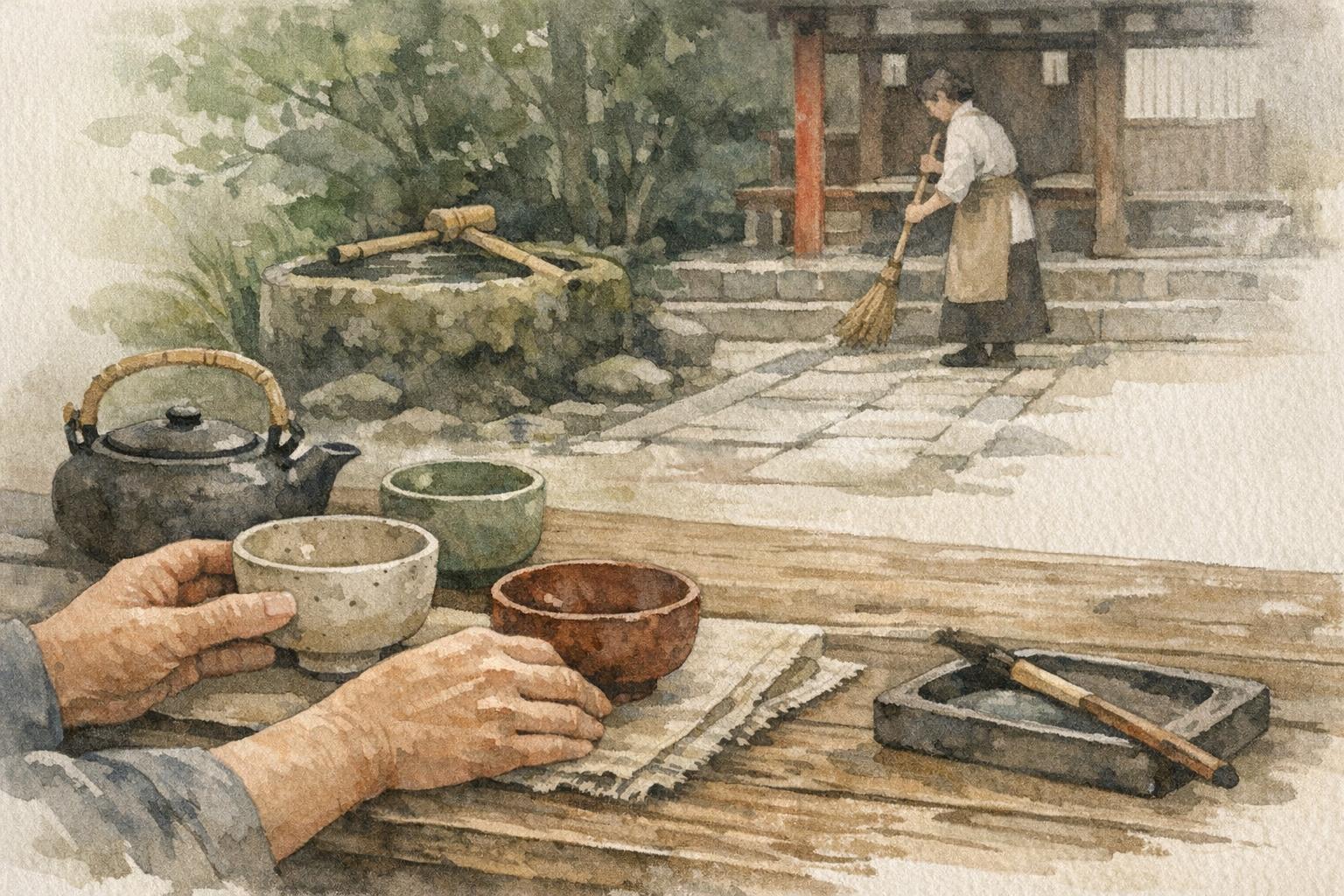
A closer look makes the pattern easier to read. Kyoto's atmosphere is reinforced by craft traditions and a visual language that favors texture, interval, and understatement. Textiles, sweets, ceramics, and tea utensils all participate in this environment, making refinement feel distributed rather than isolated. Seasonal change is especially legible here because gardens, sweets, and neighborhood views are tuned to subtle shifts in light and plant life. The detail matters because it changes how the whole subject is understood.
There is also a social layer to notice. The city can therefore feel slow even when it is busy, because attention is drawn toward detail instead of noise. What looks natural usually depends on learned timing, repeated exposure, and a shared sense of what fits the situation.
Texture instead of speed
A simple courtyard or shop display may hold the memory of a day longer than a packed sightseeing route. Kyoto teaches patience by rewarding close looking. That is often the moment when the subject stops feeling abstract and starts feeling lived.
How place shapes rhythm
The city is lived by residents, students, workers, and shopkeepers, which keeps its beauty grounded rather than theatrical. Urban life in Japan is structured by transport, neighborhood identity, and subtle public expectations, so place often acts like a social teacher. This is one reason the topic tends to feel ordinary to people in Japan while seeming highly distinctive to outside observers.
Kyoto remains compelling because its cultural prestige is still tied to daily texture rather than to monuments alone. Continuity here does not mean the form never changes. It means newer habits often settle on top of older ways of noticing, organizing time, and sharing space.
Memory in the street
If you want to follow the same thread from another angle, see Traditional Japanese Sweets (Wagashi) Explained and Why Japanese Food Presentation Matters So Much. Placed beside one another, those essays show how one part of Japanese life opens into another.
Closing Reflection
Looking closely at Kyoto shows how a city can feel historically dense without becoming static. The subject connects naturally with tea ceremony, cherry blossom season, and the wider contrast between Kyoto and Tokyo.
Read beside essays on cities, food, and everyday practice, the subject becomes part of a wider cultural pattern rather than a separate curiosity.
Another useful way to read this subject is to notice how often it appears without announcing itself. Kyoto is special not simply because it has temples, but because memory, craft, ritual atmosphere, and ordinary life still overlap there so visibly. That quiet familiarity is one reason the topic can feel deeper over time instead of becoming exhausted once the basic facts are known.
It also helps to place the topic in relation to nearby subjects rather than isolating it. The essays on Traditional Japanese Sweets (Wagashi) Explained and Why Japanese Food Presentation Matters So Much show how the same cultural logic travels into adjacent parts of Japanese life.
Another useful way to read this subject is to notice how often it appears without announcing itself. Kyoto is special not simply because it has temples, but because memory, craft, ritual atmosphere, and ordinary life still overlap there so visibly. That quiet familiarity is one reason the topic can feel deeper over time instead of becoming exhausted once the basic facts are known.
It also helps to place the topic in relation to nearby subjects rather than isolating it. The essays on Traditional Japanese Sweets (Wagashi) Explained and Why Japanese Food Presentation Matters So Much show how the same cultural logic travels into adjacent parts of Japanese life.