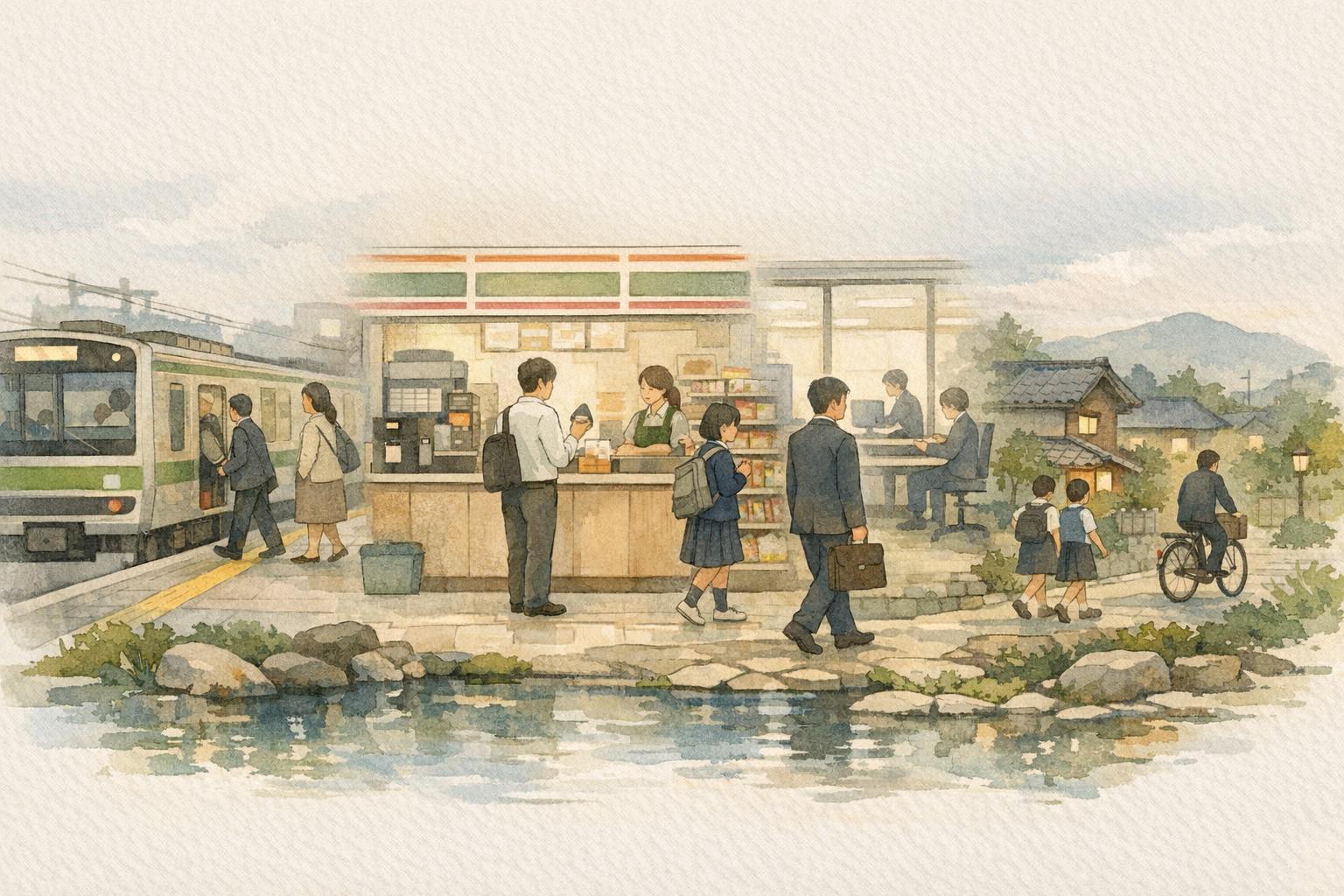
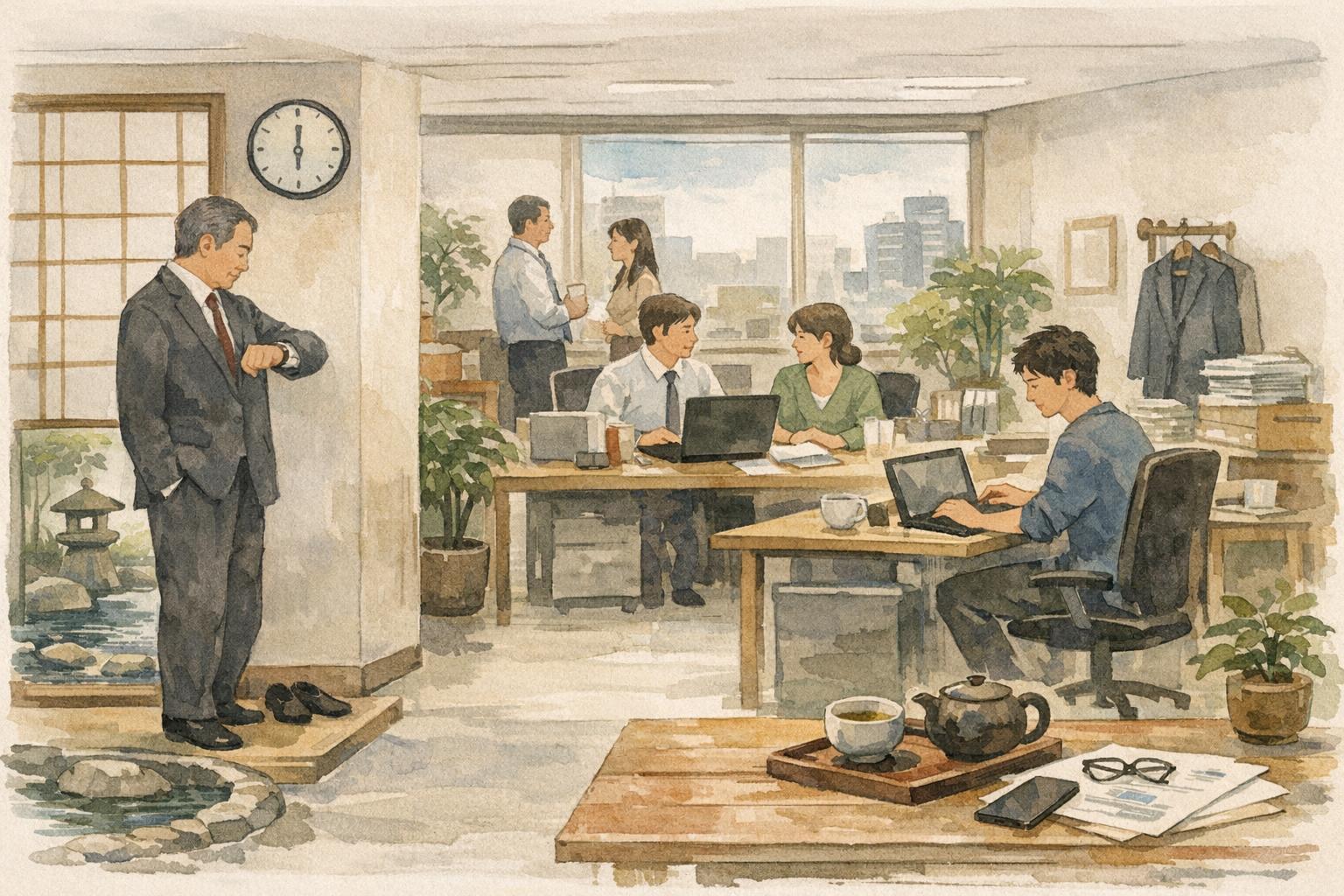
Cleanliness in Japan is not only about hygiene, but about respect for shared space, self-discipline, and the emotional tone of everyday life. Its importance comes from the way order, public comfort, and private habit are linked through repeated small actions. Looking closely at ordinary routines often explains more than a list of isolated facts.
In this article, the subject is treated as part of lived Japanese culture rather than as a decorative symbol. That means paying attention to timing, space, habit, and the emotional atmosphere that grows around repeated practice.
Cleanliness begins as routine
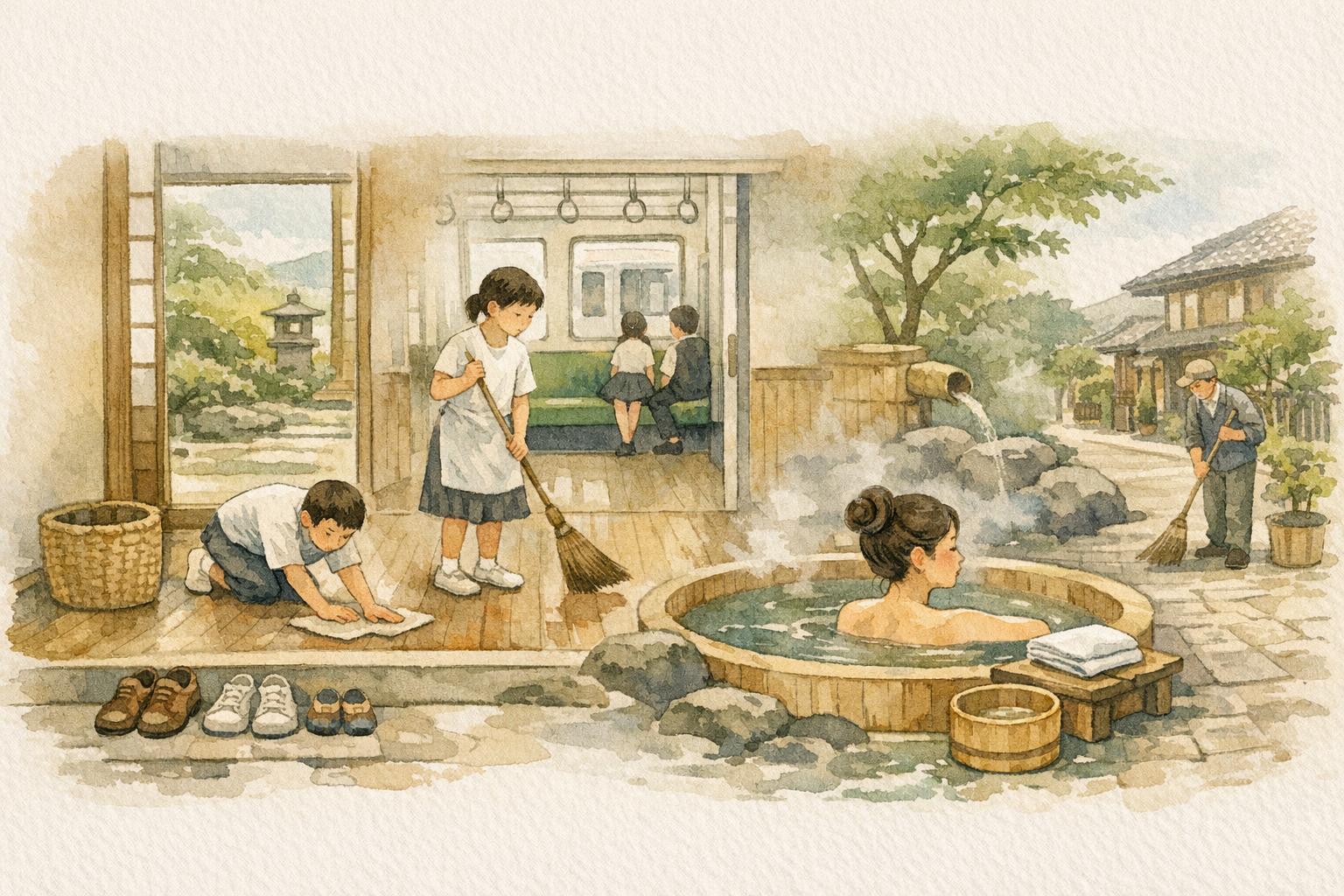
The clearest place to begin is with one practical fact. Many Japanese habits of cleanliness are maintained through routine rather than through occasional deep correction. Shoes are removed, trash is sorted, shared areas are wiped down, and personal items are put away as part of daily rhythm. Because these acts are repeated quietly, they come to feel natural rather than dramatic. This is where broad stereotypes usually become too thin.
There is also a social layer to notice. Culture often becomes durable when it is built into ordinary repetition. What looks natural usually depends on learned timing, repeated exposure, and a shared sense of what fits the situation.
Order is built into the day
A child who cleans a classroom or changes into indoor slippers learns that tidiness belongs to participation, not only to punishment. Routine makes values tangible long before they are explained abstractly. That is often the moment when the subject stops feeling abstract and starts feeling lived.
Shared spaces feel morally visible
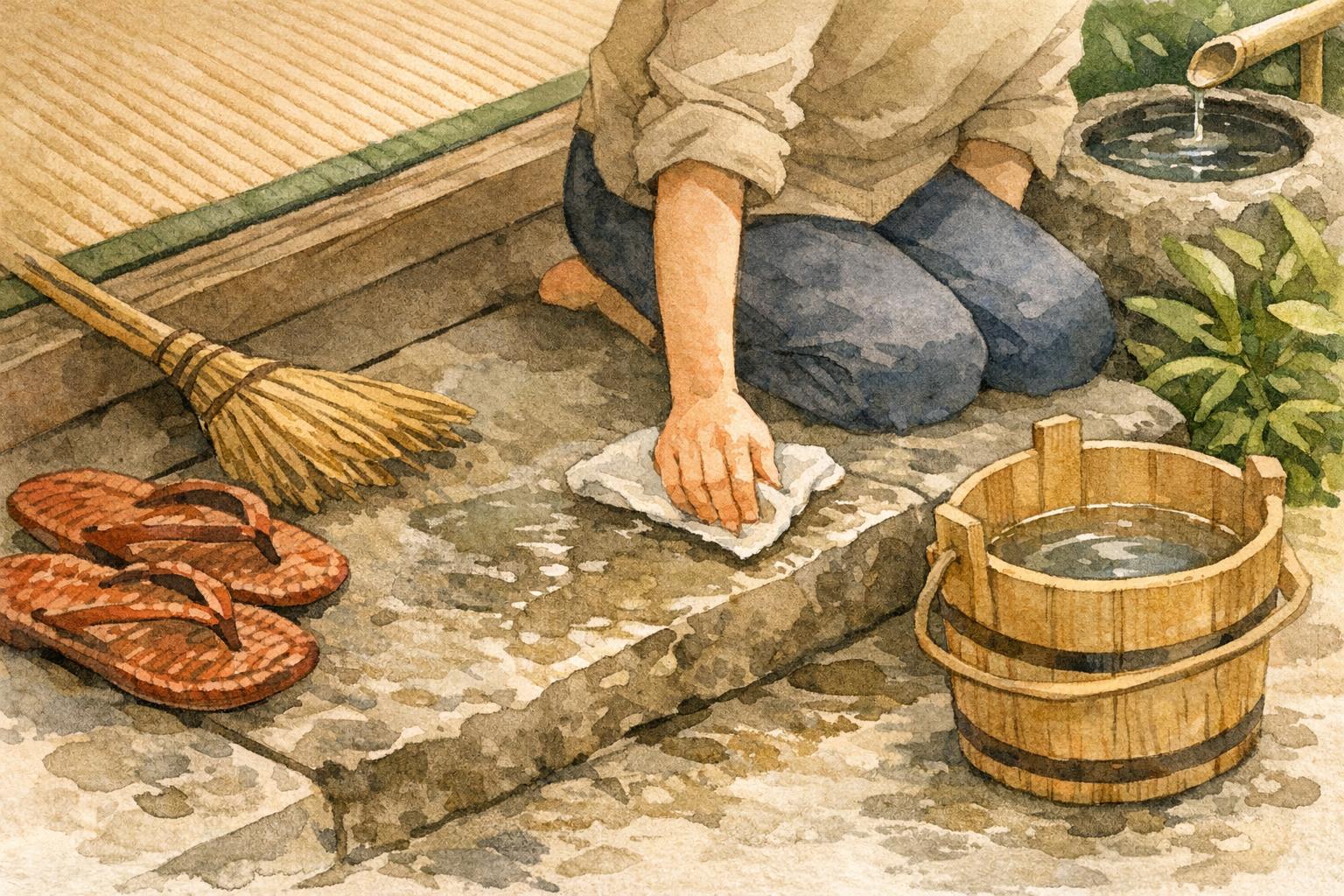
A closer look makes the pattern easier to read. Public cleanliness matters in Japan partly because disorder is felt as something that touches the group, not only the individual. On trains, in schools, at workplaces, and around homes, people are expected to reduce the burden they place on others. That expectation gives cleanliness a social meaning that is stronger than simple preference. The detail matters because it changes how the whole subject is understood.
There is also a social layer to notice. Tidiness becomes one form of public consideration. What looks natural usually depends on learned timing, repeated exposure, and a shared sense of what fits the situation.
Mess affects other people
A clean station platform or classroom suggests that many people have accepted small personal limits for the sake of collective ease. Care is often most visible where many people restrain themselves a little at once. That is often the moment when the subject stops feeling abstract and starts feeling lived.
Why cleanliness can feel calming
What matters first is the lived structure beneath the surface image. Clean space is often valued in Japan because it supports calm attention, smoother movement, and a clearer emotional atmosphere. This link between tidiness and mood helps explain why order is often treated as aesthetically pleasing as well as practically useful. The result is a culture where cleaning can feel less like punishment and more like resetting a space for better use. Seen that way, the topic moves from symbol to daily habit.
There is also a social layer to notice. Physical order often carries emotional meaning when people live close together. What looks natural usually depends on learned timing, repeated exposure, and a shared sense of what fits the situation.
Atmosphere matters too
A swept entrance, a neat bathroom, or a well-kept shop floor can subtly alter how respectful or welcoming a place feels. Cleanliness matters because it shapes the emotional weather of daily life. That is often the moment when the subject stops feeling abstract and starts feeling lived.
Habit, space, and adaptation
Shoes at the entrance, school cleaning, tidy trains, bathing routines, and carefully maintained streets all reflect the same broad cultural logic. Lifestyle habits in Japan often grow from practical constraints, yet they are refined until they also communicate care, self-control, and social awareness. This is one reason the topic tends to feel ordinary to people in Japan while seeming highly distinctive to outside observers.
The emphasis endures because cleanliness is treated as something actively maintained rather than passively expected from others. Continuity here does not mean the form never changes. It means newer habits often settle on top of older ways of noticing, organizing time, and sharing space.
Ordinary routines
If you want to follow the same thread from another angle, see Daily Life in Japan: A Simple Routine Explained and Work Culture in Japan: Myths vs Reality. Placed beside one another, those essays show how one part of Japanese life opens into another.
Closing Reflection
Looking closely at cleanliness in Japan shows how practical habits become visible expressions of care. The topic connects naturally with daily routine, work culture, and the larger preference for smooth life in shared environments.
Read beside essays on cities, food, and everyday practice, the subject becomes part of a wider cultural pattern rather than a separate curiosity.
Another useful way to read this subject is to notice how often it appears without announcing itself. Cleanliness in Japan is not only about hygiene, but about respect for shared space, self-discipline, and the emotional tone of everyday life. That quiet familiarity is one reason the topic can feel deeper over time instead of becoming exhausted once the basic facts are known.