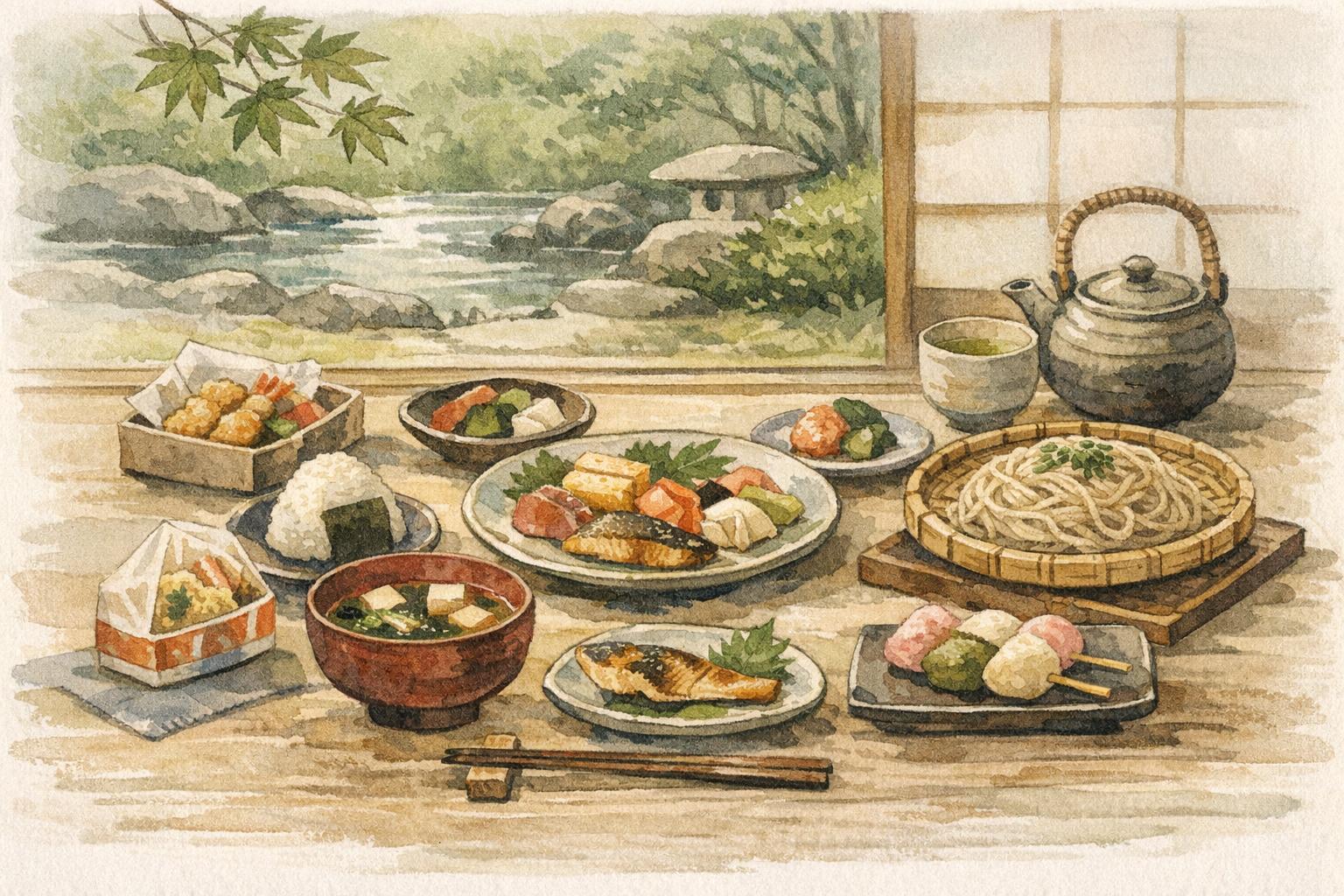
Food presentation in Japan matters because a meal is expected to communicate season, proportion, and mood before the first bite is taken. Appearance is not treated as decoration alone, but as part of how balance, care, and appetite are organized. Looking closely at ordinary routines often explains more than a list of isolated facts.
In this article, the subject is treated as part of lived Japanese culture rather than as a decorative symbol. That means paying attention to timing, space, habit, and the emotional atmosphere that grows around repeated practice.
Season as a shared language
The clearest place to begin is with one practical fact. Seasonal words in Japan often carry emotional expectations as well as descriptive meaning. Early spring suggests opening and movement, the rainy season suggests patience, and autumn often suggests reflection and ripeness. Poetry, greetings, menus, and television forecasts all reinforce these seasonal associations in everyday speech. This is where broad stereotypes usually become too thin.
There is also a social layer to notice. Because the references are so widely shared, a simple mention of plum blossom or cicada sound can imply an entire mood. What looks natural usually depends on learned timing, repeated exposure, and a shared sense of what fits the situation.
More than weather
A short letter or shop notice may mention the air, the rain, or the moon not as decoration but as part of ordinary politeness. The year becomes easier to feel because language keeps giving shape to passing time. That is often the moment when the subject stops feeling abstract and starts feeling lived.
How season enters the body
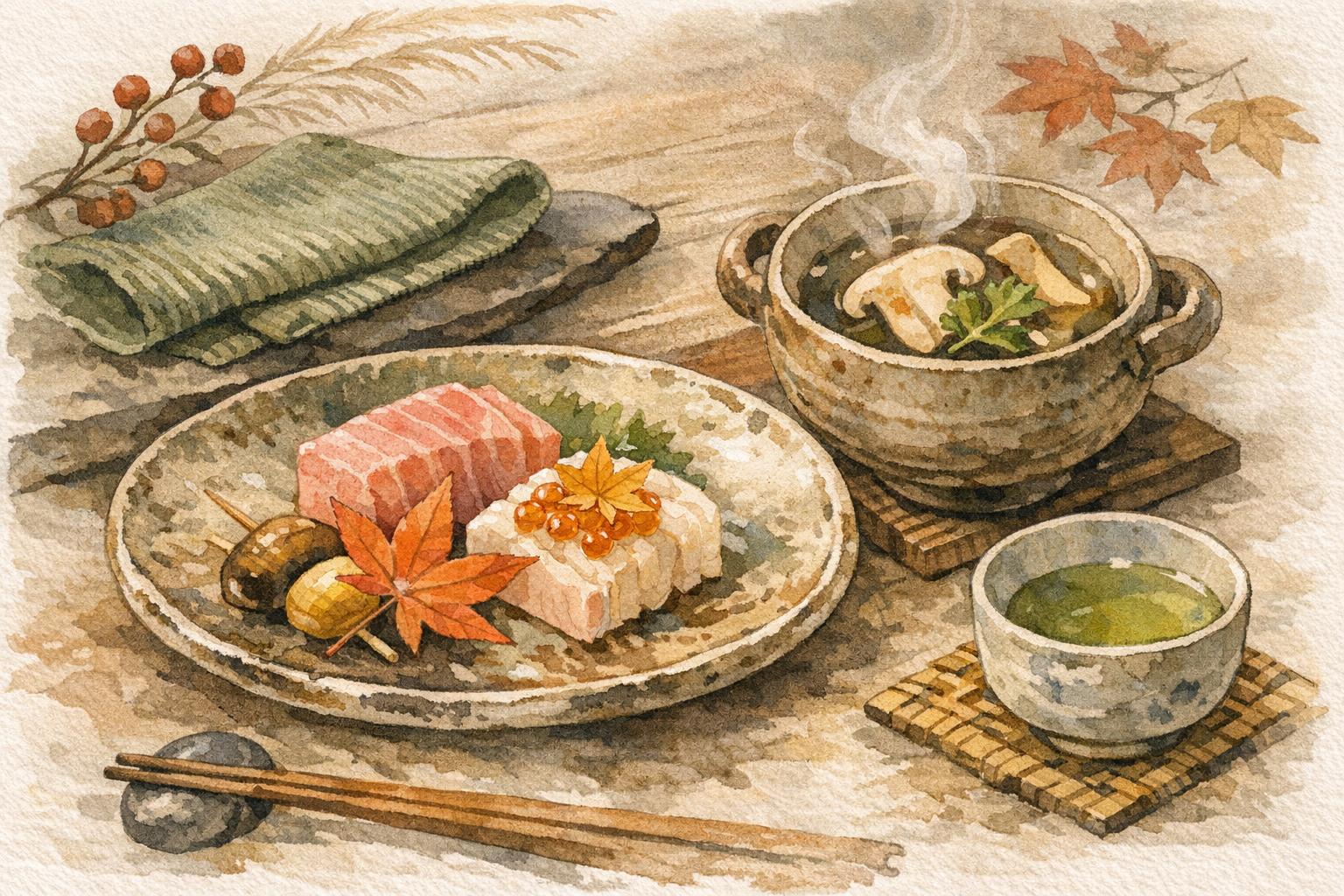
A closer look makes the pattern easier to read. Seasonal awareness is strengthened because food, clothing, and travel often change with the weather. People switch to lighter dishes in summer, seek warming foods in winter, and look forward to ingredients that appear for only a short span. Household items, fabrics, and even display motifs may change subtly as a way of tuning the room to the outside world. The detail matters because it changes how the whole subject is understood.
There is also a social layer to notice. This creates a practical loop in which climate shapes behavior and behavior makes climate more culturally visible. What looks natural usually depends on learned timing, repeated exposure, and a shared sense of what fits the situation.
Eating and moving with the calendar
Cold noodles, autumn chestnuts, spring sweets, and winter hot pots work as seasonal markers long before they become tourist imagery. The body learns the year through taste, texture, and routine repetition. That is often the moment when the subject stops feeling abstract and starts feeling lived.
Where the table meets memory
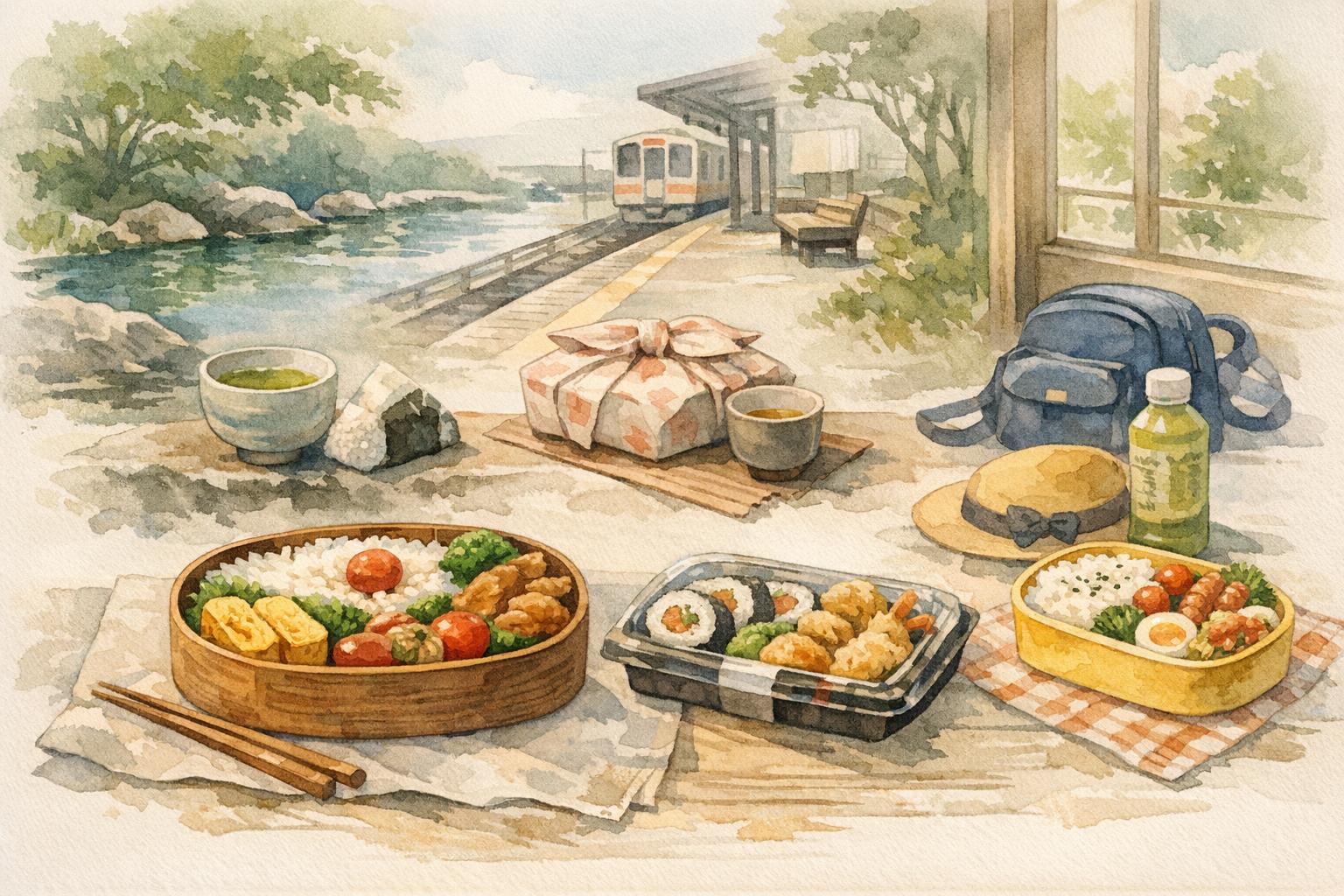
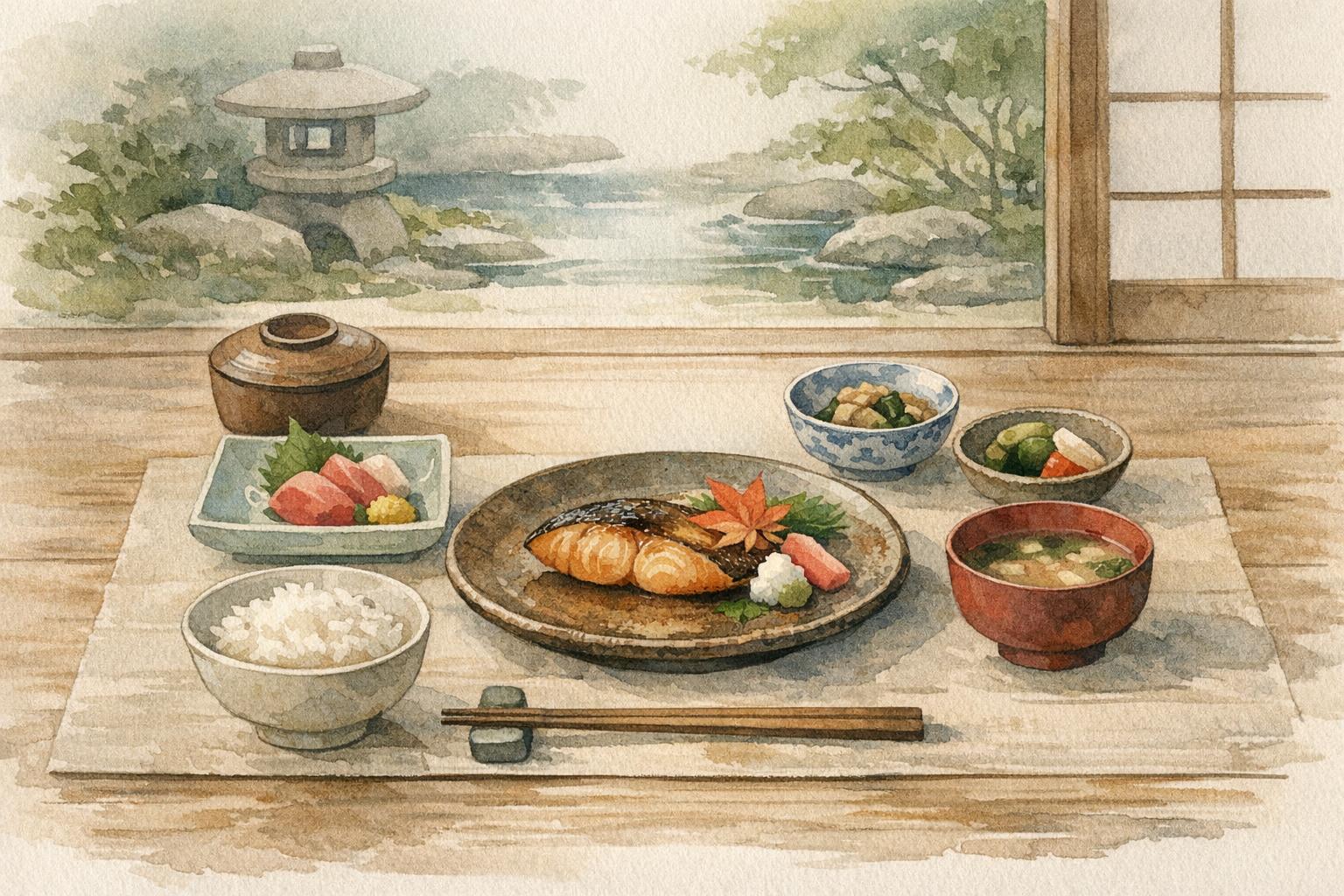
Plate choice, color contrast, empty space, garnish, and the order of small dishes all help explain why visual arrangement remains so important. Meals in Japan often connect convenience with formality, which is why a quick bowl, a boxed lunch, and a seasonal feast can all feel culturally dense in different ways. This is one reason the topic tends to feel ordinary to people in Japan while seeming highly distinctive to outside observers.
The emphasis lasts because Japanese meals often invite attention to season and atmosphere as much as to flavor. Continuity here does not mean the form never changes. It means newer habits often settle on top of older ways of noticing, organizing time, and sharing space.
Regional difference
If you want to follow the same thread from another angle, see What Makes Japanese Food So Unique? and Bento Boxes: The Art of Eating Beautifully. Placed beside one another, those essays show how one part of Japanese life opens into another.
Closing Reflection
Looking closely at presentation shows how Japanese food culture trains the eye along with the palate. The subject connects naturally with wagashi, bento, and the broader discipline of quiet aesthetic attention in Japan.
Read beside essays on cities, food, and everyday practice, the subject becomes part of a wider cultural pattern rather than a separate curiosity.
Another useful way to read this subject is to notice how often it appears without announcing itself. Food presentation in Japan matters because a meal is expected to communicate season, proportion, and mood before the first bite is taken. That quiet familiarity is one reason the topic can feel deeper over time instead of becoming exhausted once the basic facts are known.
It also helps to place the topic in relation to nearby subjects rather than isolating it. The essays on What Makes Japanese Food So Unique? and Bento Boxes: The Art of Eating Beautifully show how the same cultural logic travels into adjacent parts of Japanese life.
Another useful way to read this subject is to notice how often it appears without announcing itself. Food presentation in Japan matters because a meal is expected to communicate season, proportion, and mood before the first bite is taken. That quiet familiarity is one reason the topic can feel deeper over time instead of becoming exhausted once the basic facts are known.