Silence in Japan is often misunderstood by outsiders as distance or discomfort, yet it frequently communicates attention, restraint, and social intelligence. Its value comes from the idea that not every feeling must be spoken loudly in order to be real or socially meaningful. Looking closely at ordinary routines often explains more than a list of isolated facts.
In this article, the subject is treated as part of lived Japanese culture rather than as a decorative symbol. That means paying attention to timing, space, habit, and the emotional atmosphere that grows around repeated practice.
Silence as attention
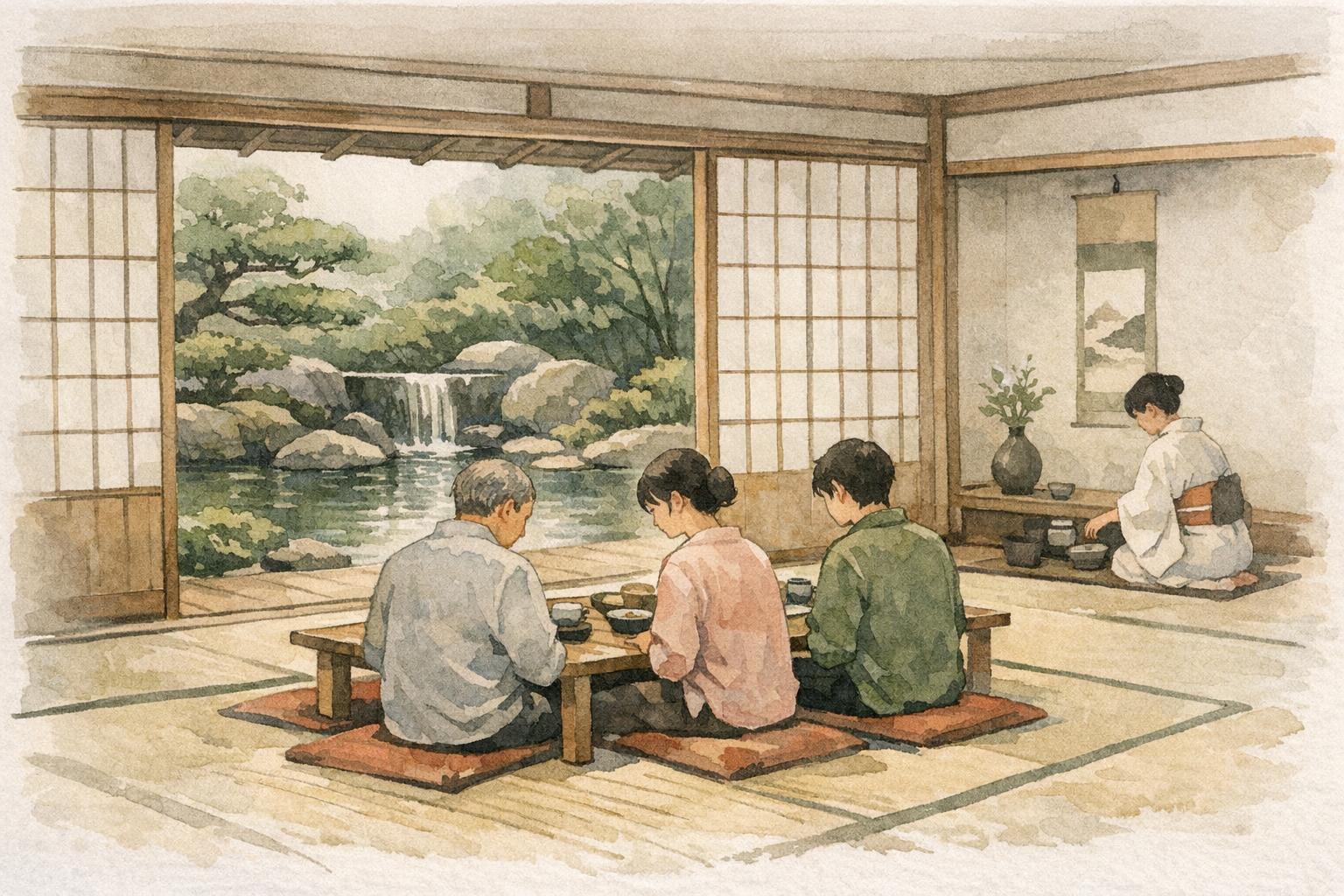
The clearest place to begin is with one practical fact. In Japan, a pause can show that someone is listening carefully rather than preparing to dominate the exchange. That changes the emotional meaning of quiet moments in conversation, meetings, and family life. The absence of immediate speech can suggest respect for context and for the presence of other people in the room. This is where broad stereotypes usually become too thin.
There is also a social layer to notice. This is one reason silence often feels active rather than blank. What looks natural usually depends on learned timing, repeated exposure, and a shared sense of what fits the situation.
Not every pause is empty
A thoughtful pause after a suggestion may mean the listener is weighing the group mood, not rejecting the idea. Quietness becomes part of communication when timing matters as much as content. That is often the moment when the subject stops feeling abstract and starts feeling lived.
Public quiet and shared space
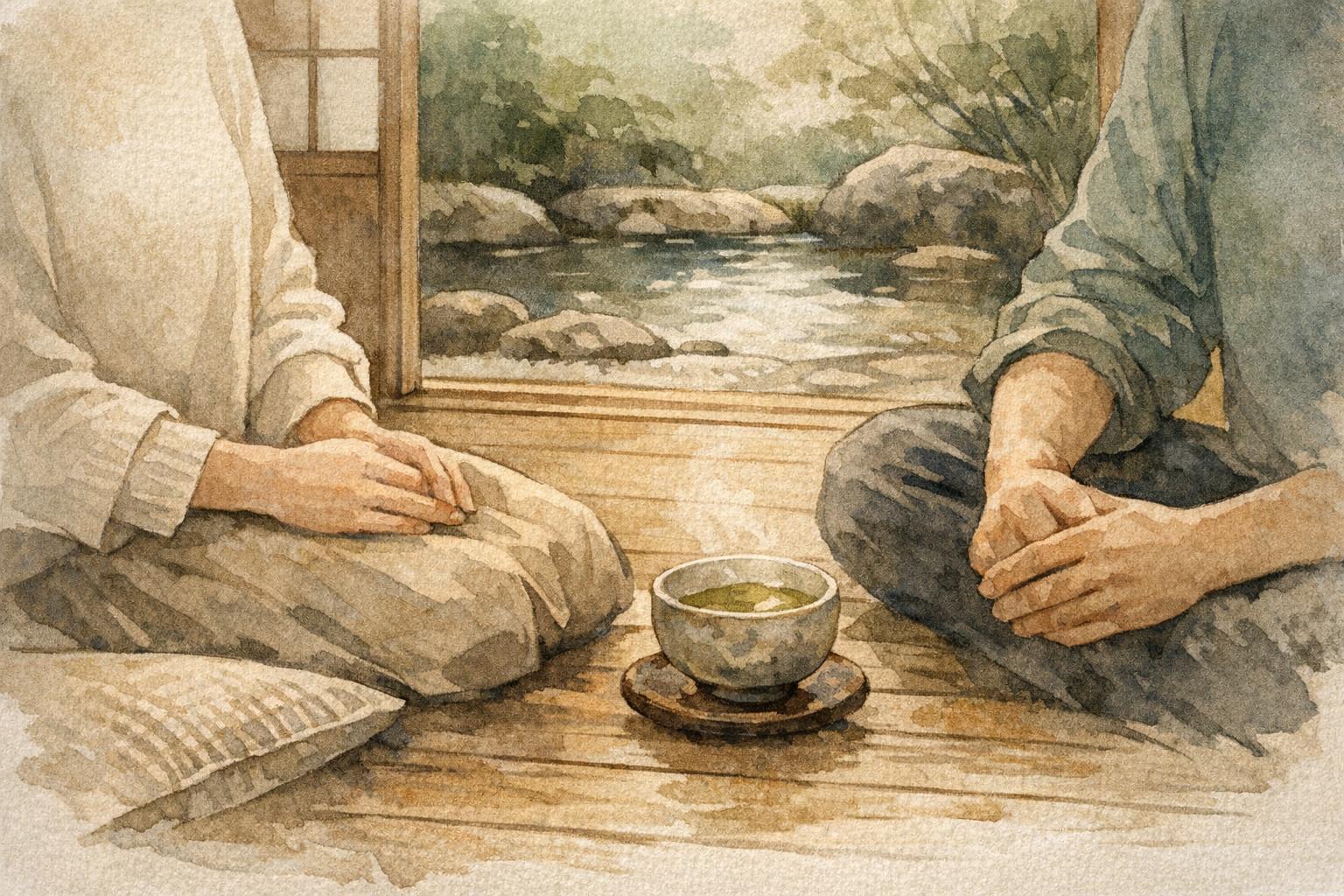
A closer look makes the pattern easier to read. Trains, waiting rooms, shrines, and residential streets often feel quieter in Japan because sound is treated as something shared, not purely personal. People manage voices, phone calls, and gestures partly out of consideration for strangers they will never meet again. That discipline helps crowded spaces remain livable without constant correction or confrontation. The detail matters because it changes how the whole subject is understood.
There is also a social layer to notice. Silence here works as a form of public cooperation. What looks natural usually depends on learned timing, repeated exposure, and a shared sense of what fits the situation.
Noise has social weight
A nearly full commuter carriage can stay surprisingly calm because each passenger adjusts a little for the sake of everyone else. The value of quiet becomes clearer when it is tied to mutual comfort rather than to obedience alone. That is often the moment when the subject stops feeling abstract and starts feeling lived.
Why quiet can feel beautiful
What matters first is the lived structure beneath the surface image. Silence also matters aesthetically in Japan, because empty intervals allow the eye and ear to register subtle texture, weather, and emotion. In a tea room, garden, or traditional interior, quietness helps attention settle onto materials, breath, and movement. That same logic appears in literature, film, and everyday manners, where suggestion can carry more force than overstatement. Seen that way, the topic moves from symbol to daily habit.
There is also a social layer to notice. The result is not muteness, but a richer sense of atmosphere. What looks natural usually depends on learned timing, repeated exposure, and a shared sense of what fits the situation.
Atmosphere is part of meaning
Wind in bamboo, footsteps on gravel, or water in a basin become meaningful when they are not drowned by constant speech. A culture that values quiet often does so because it hears more in the background than other cultures expect to notice. That is often the moment when the subject stops feeling abstract and starts feeling lived.
How the idea travels through daily life
Quietness shapes conversation, commuting, meals, ceremonies, shops, and even the design of interiors, so it is woven into ordinary life. Much of Japanese culture becomes visible through repetition rather than through declaration, so small gestures often carry more meaning than formal explanation. This is one reason the topic tends to feel ordinary to people in Japan while seeming highly distinctive to outside observers.
The preference lasts because silence can preserve harmony, reduce pressure, and leave room for others to interpret a situation without being cornered. Continuity here does not mean the form never changes. It means newer habits often settle on top of older ways of noticing, organizing time, and sharing space.
Quiet repetition
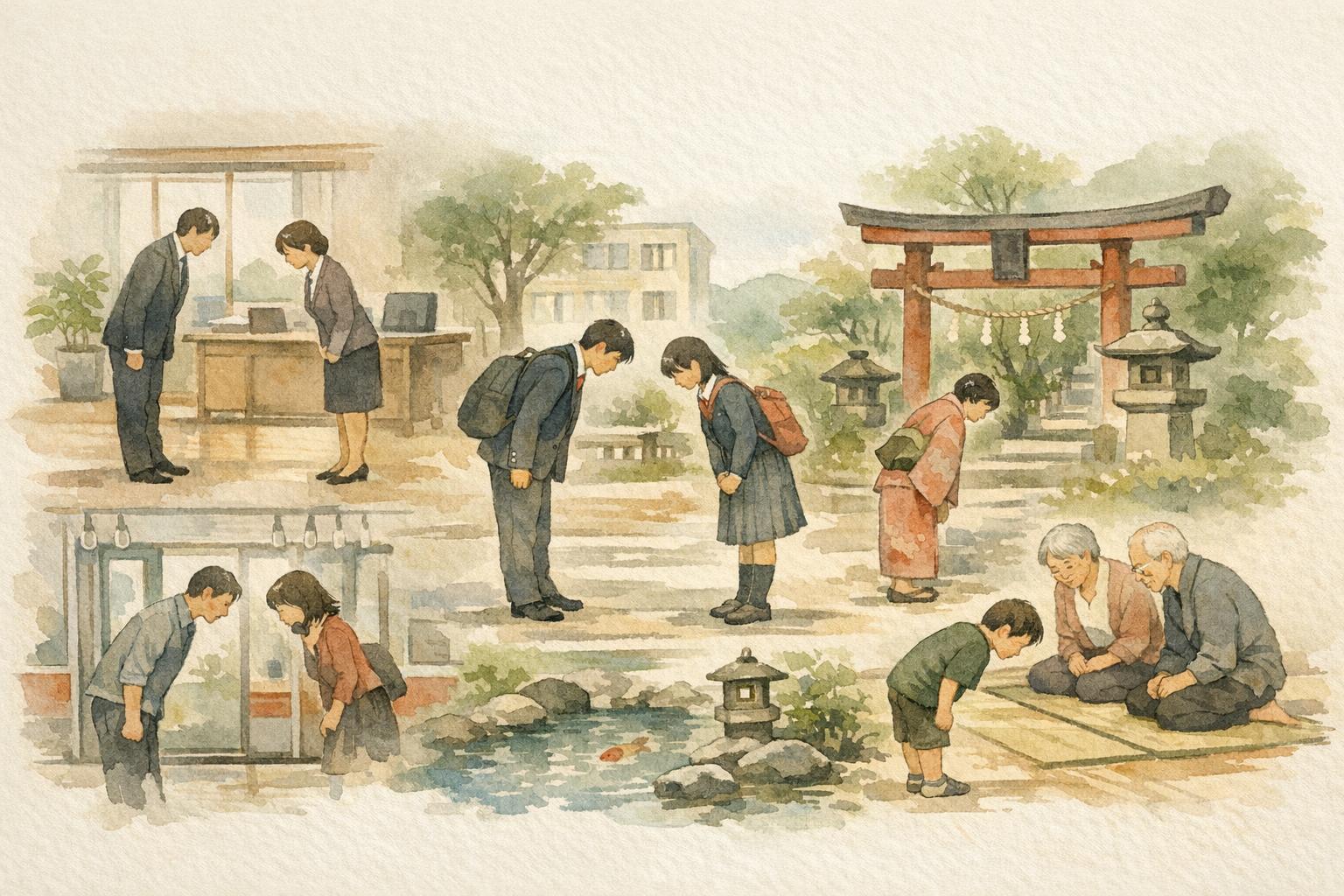
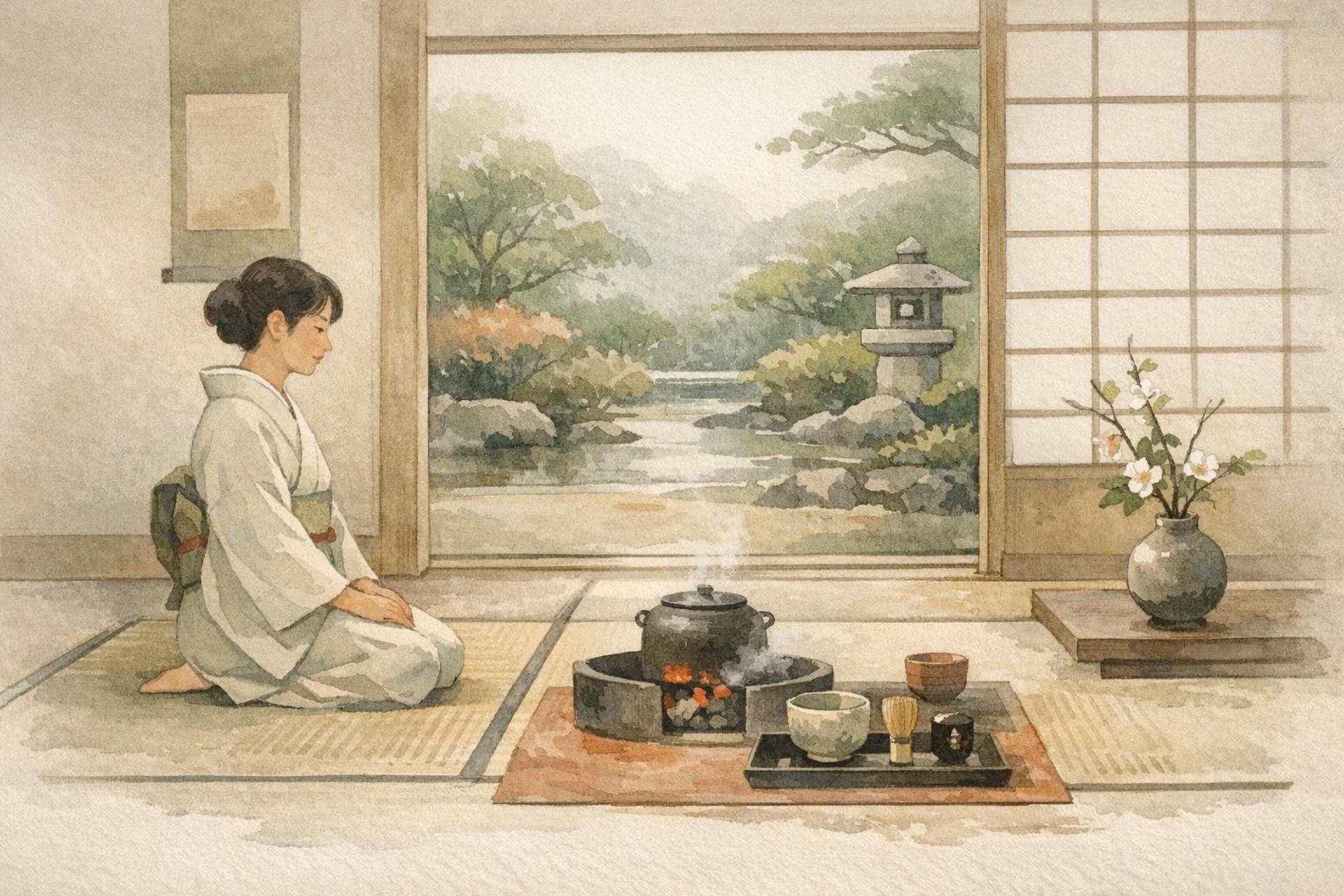
If you want to follow the same thread from another angle, see Why Do Japanese People Bow Instead of Handshakes? and Japanese Tea Ceremony: Meaning Behind Every Move. Placed beside one another, those essays show how one part of Japanese life opens into another.
Closing Reflection
Looking at silence closely reveals a culture that often trusts timing, gesture, and atmosphere as much as direct speech. The subject fits naturally beside bowing, omotenashi, tea practice, and the design of calm domestic spaces.
Read beside essays on cities, food, and everyday practice, the subject becomes part of a wider cultural pattern rather than a separate curiosity.