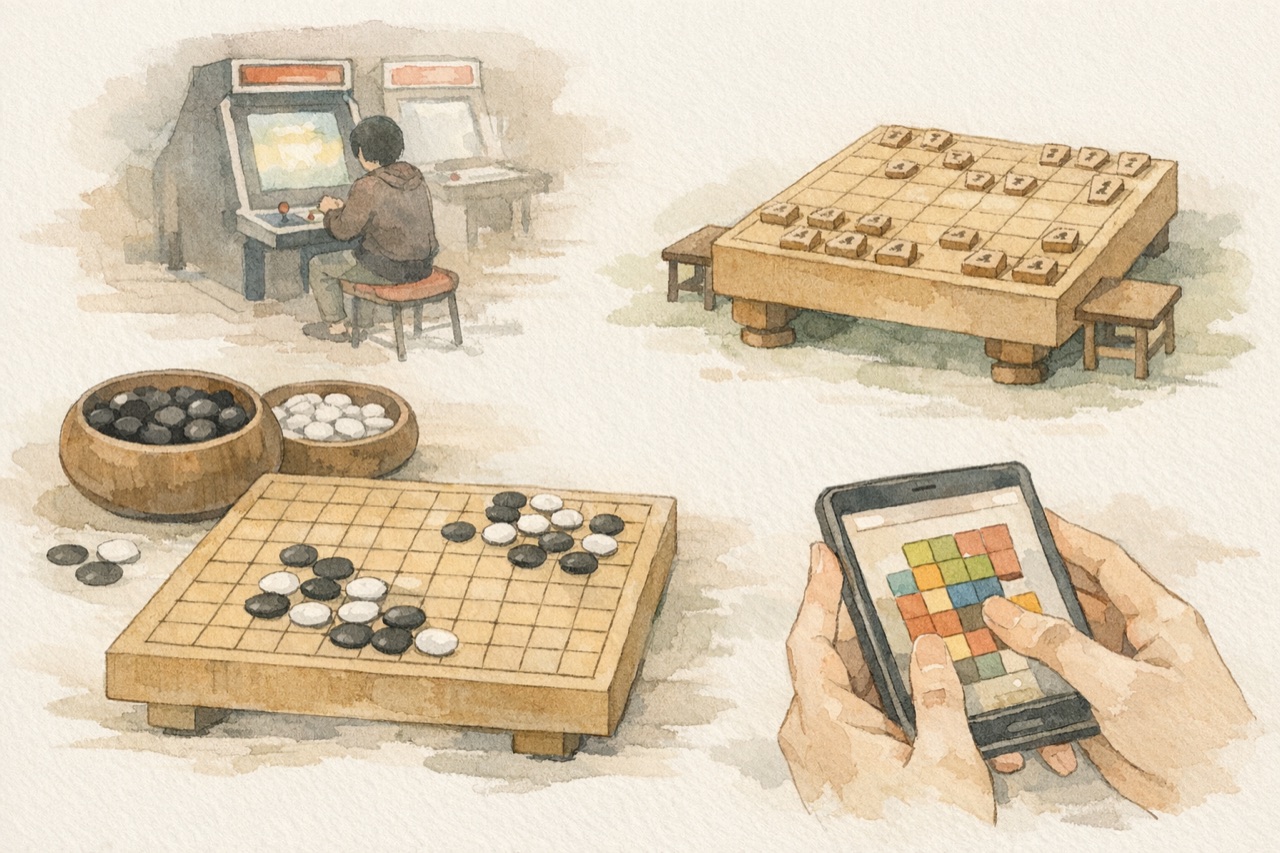
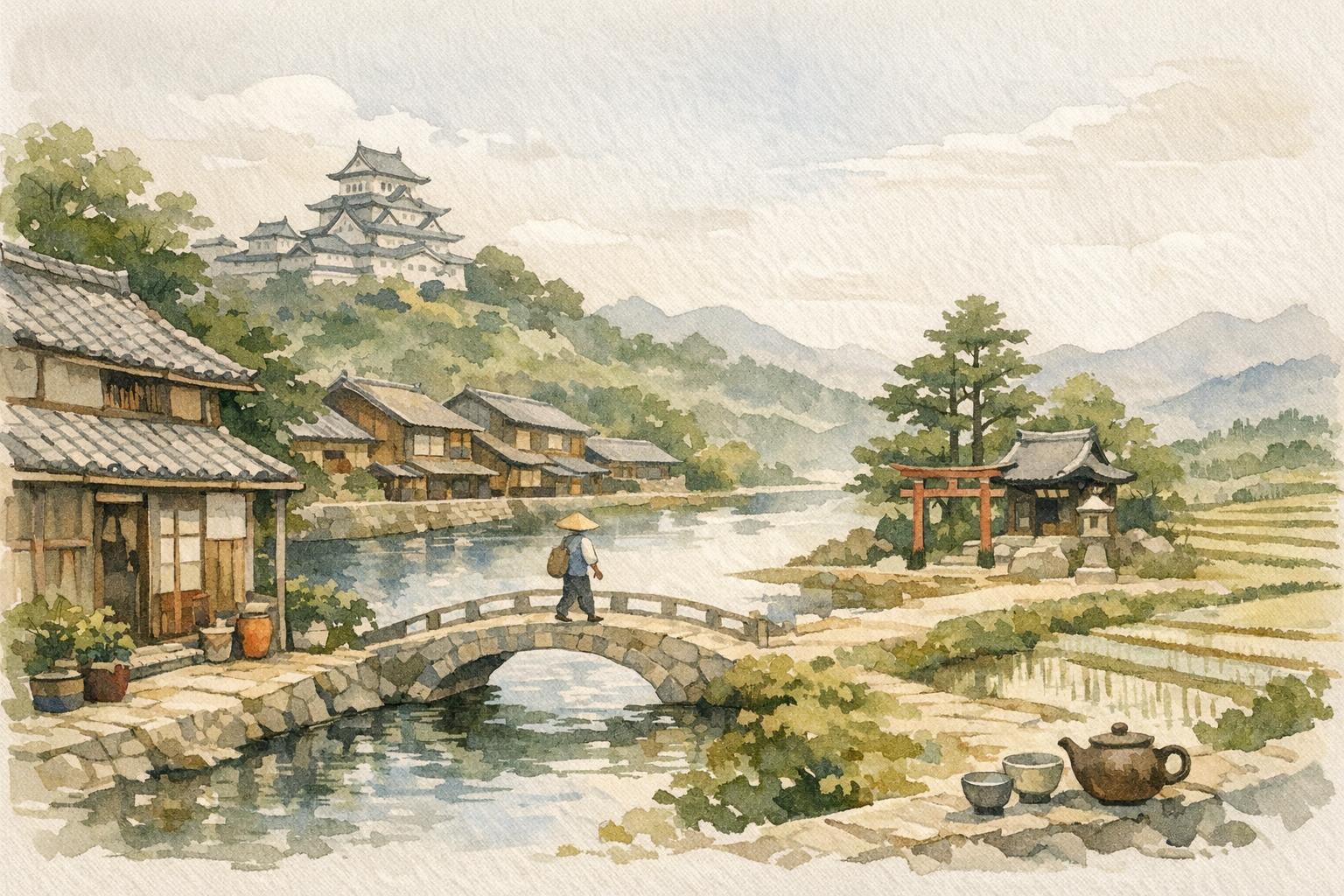
Sudoku spread worldwide because it is easy to start, hard to exhaust, and perfectly suited to short bursts of concentrated attention. Its success reveals how a puzzle can feel both universal and culturally specific at the same time. Looking closely at ordinary routines often explains more than a list of isolated facts.
In this article, the subject is treated as part of lived Japanese culture rather than as a decorative symbol. That means paying attention to timing, space, habit, and the emotional atmosphere that grows around repeated practice.
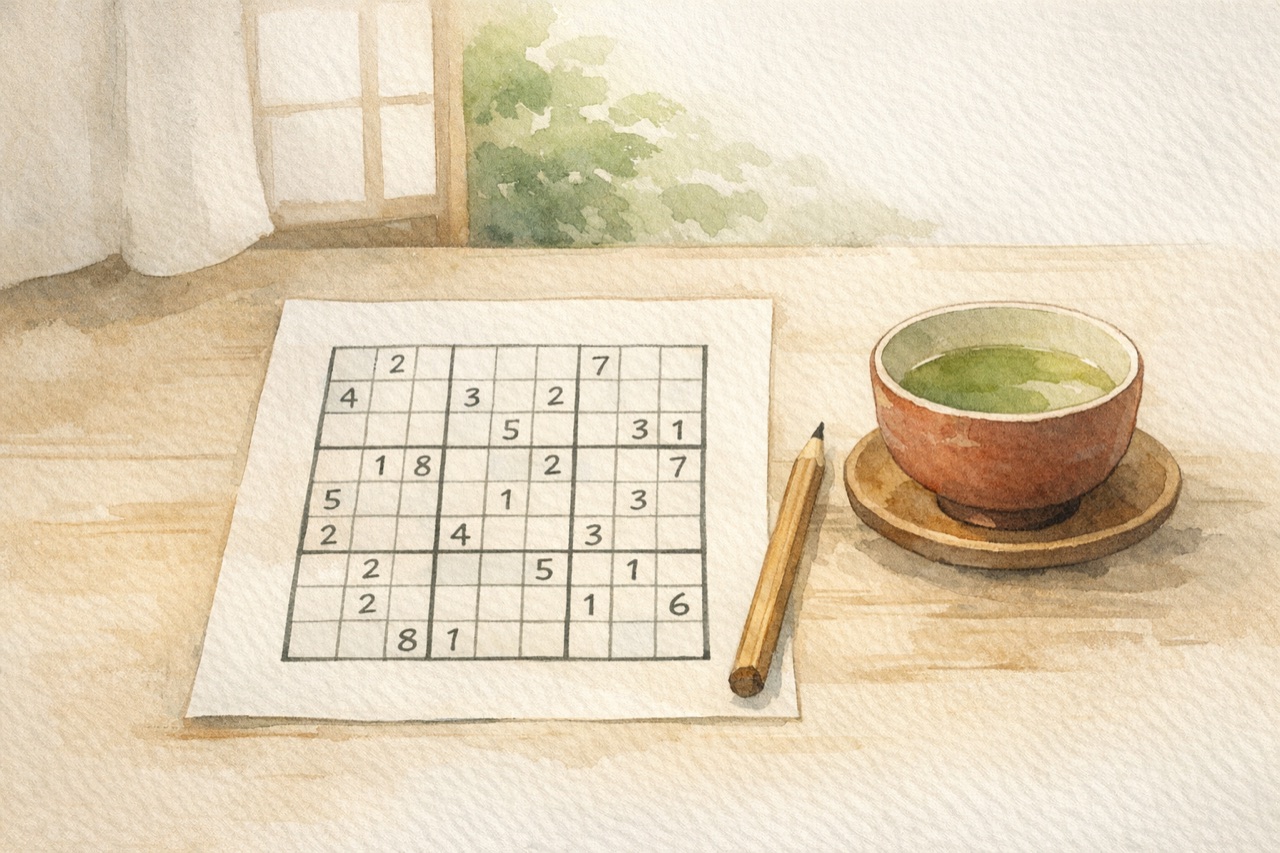
A puzzle with almost no barrier to entry
The clearest place to begin is with one practical fact. Sudoku became popular quickly because the basic rule can be understood in moments, even by people new to logic puzzles. That simplicity lowers the emotional cost of trying, while the large number of possible grids keeps the experience from feeling repetitive. The puzzle asks for concentration, but it does not require special vocabulary, expensive equipment, or long setup. This is where broad stereotypes usually become too thin.
There is also a social layer to notice. This mix makes it unusually easy to adopt across countries and age groups. What looks natural usually depends on learned timing, repeated exposure, and a shared sense of what fits the situation.
Simple rules, deep repetition
A newspaper reader and a dedicated puzzle enthusiast can approach the same grid at very different levels without changing the format. Accessibility and depth arrived in the same small square. That is often the moment when the subject stops feeling abstract and starts feeling lived.
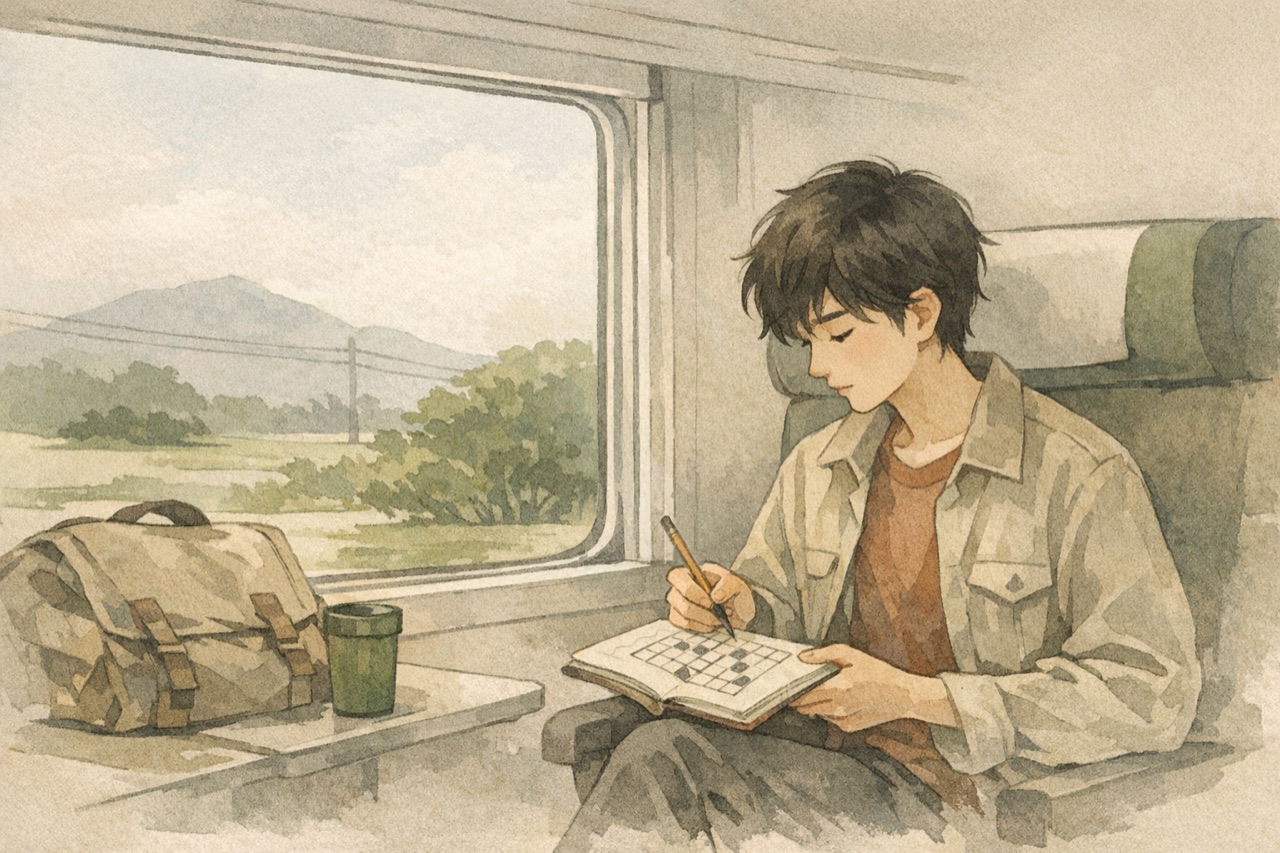
Perfectly suited to portable time
A closer look makes the pattern easier to read. Sudoku also spread because it fits the modern pattern of fragmented time so neatly. A puzzle can be started on paper, paused, resumed, and completed in a train carriage, waiting room, or quiet break at home. Digital versions extended that convenience without changing the puzzle's basic character. The detail matters because it changes how the whole subject is understood.
There is also a social layer to notice. The underlying appeal stayed the same: a brief but absorbing return to order. What looks natural usually depends on learned timing, repeated exposure, and a shared sense of what fits the situation.
The grid that travels well
A commuter can play sudoku in your browser and experience the same compact satisfaction once associated with printed grids. Portability made sudoku global because it turned spare minutes into structured calm. That is often the moment when the subject stops feeling abstract and starts feeling lived.
From pastime to social space
Print newspapers, puzzle books, commuting habits, and browser-based play all helped the grid move across languages and borders. Games in Japan often live at the border between discipline and leisure, which is why they fit so naturally into homes, clubs, arcades, bookstores, and commuting time. This is one reason the topic tends to feel ordinary to people in Japan while seeming highly distinctive to outside observers.
The puzzle keeps lasting because it offers clean rules, visible progress, and a satisfying sense of order emerging from blank space. Continuity here does not mean the form never changes. It means newer habits often settle on top of older ways of noticing, organizing time, and sharing space.
Playing across generations
If you want to follow the same thread from another angle, see Traditional and Modern Games in Japan and Hidden Places in Japan Tourists Rarely Visit. Placed beside one another, those essays show how one part of Japanese life opens into another.
Closing Reflection
Sudoku became global not through spectacle, but through clarity, portability, and repeatable calm. It remains closely connected to Japan's wider culture of patterned thinking, short-form leisure, and everyday concentration.
Read beside essays on cities, food, and everyday practice, the subject becomes part of a wider cultural pattern rather than a separate curiosity.
Another useful way to read this subject is to notice how often it appears without announcing itself. Sudoku spread worldwide because it is easy to start, hard to exhaust, and perfectly suited to short bursts of concentrated attention. That quiet familiarity is one reason the topic can feel deeper over time instead of becoming exhausted once the basic facts are known.
It also helps to place the topic in relation to nearby subjects rather than isolating it. The essays on Traditional and Modern Games in Japan and Hidden Places in Japan Tourists Rarely Visit show how the same cultural logic travels into adjacent parts of Japanese life.
Another useful way to read this subject is to notice how often it appears without announcing itself. Sudoku spread worldwide because it is easy to start, hard to exhaust, and perfectly suited to short bursts of concentrated attention. That quiet familiarity is one reason the topic can feel deeper over time instead of becoming exhausted once the basic facts are known.
It also helps to place the topic in relation to nearby subjects rather than isolating it. The essays on Traditional and Modern Games in Japan and Hidden Places in Japan Tourists Rarely Visit show how the same cultural logic travels into adjacent parts of Japanese life.