Tokyo is famous for speed, scale, and constant motion, yet many visitors are surprised by how readable and orderly the city still feels. That balance comes from infrastructure, neighborhood identity, public habits, and a deep culture of routine. Looking closely at ordinary routines often explains more than a list of isolated facts.
In this article, the subject is treated as part of lived Japanese culture rather than as a decorative symbol. That means paying attention to timing, space, habit, and the emotional atmosphere that grows around repeated practice.
The city changes every few stops
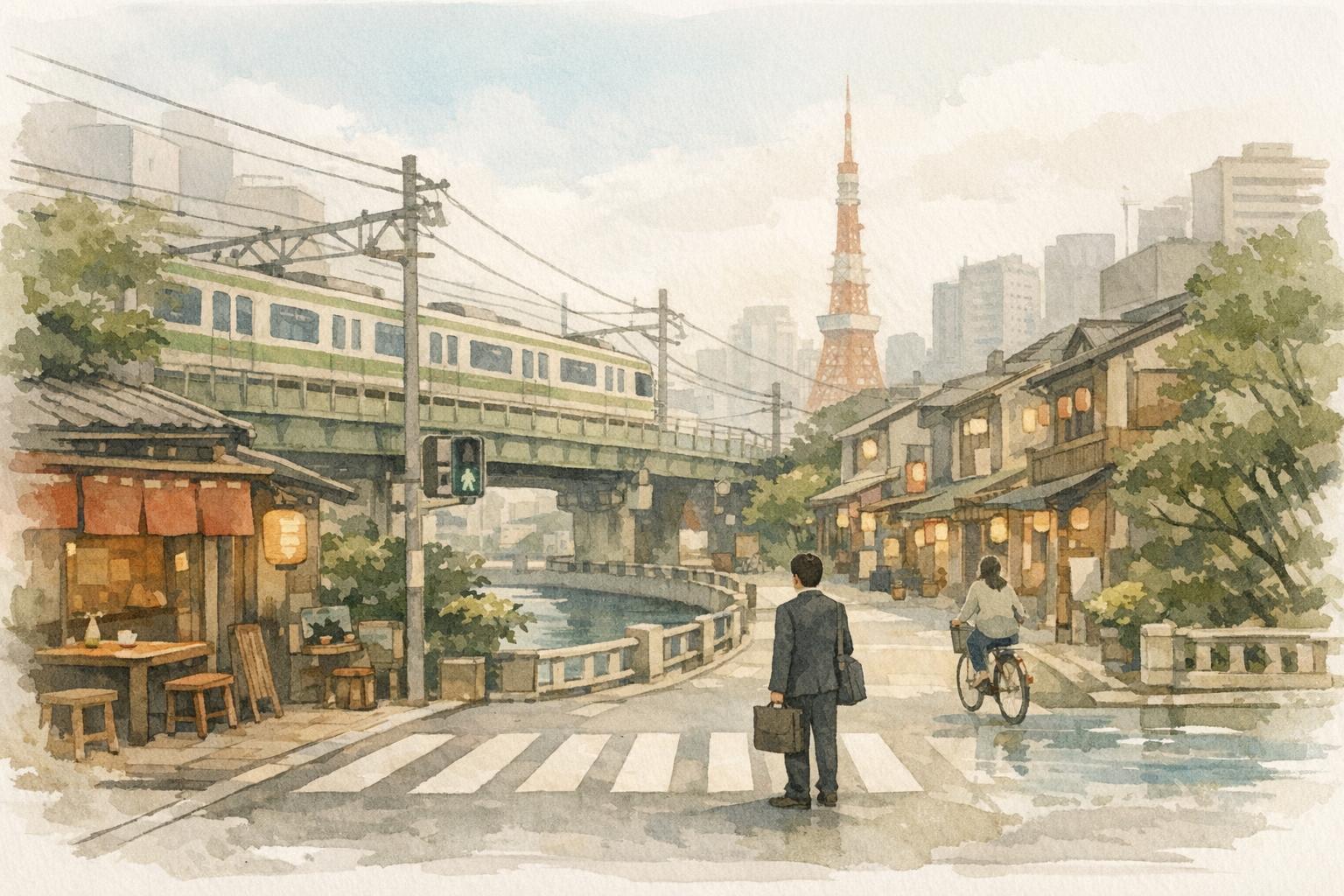
The clearest place to begin is with one practical fact. In Tokyo, a station often acts like a cultural hinge because what surrounds it shapes the district's identity. One area may feel built for office circulation, another for youth fashion, another for old shopping streets and evening routines. Because train travel is so central, people learn neighborhoods through the emotional shift that happens when they exit onto a different street pattern. This is where broad stereotypes usually become too thin.
There is also a social layer to notice. The city becomes legible through repeated transitions rather than through one panoramic impression. What looks natural usually depends on learned timing, repeated exposure, and a shared sense of what fits the situation.
Station logic and local mood
A commuter can cross from polished business calm to noisy food alleys in the span of a few minutes. Tokyo's variety is most convincing at ground level. That is often the moment when the subject stops feeling abstract and starts feeling lived.
Why Tokyo can still feel intimate
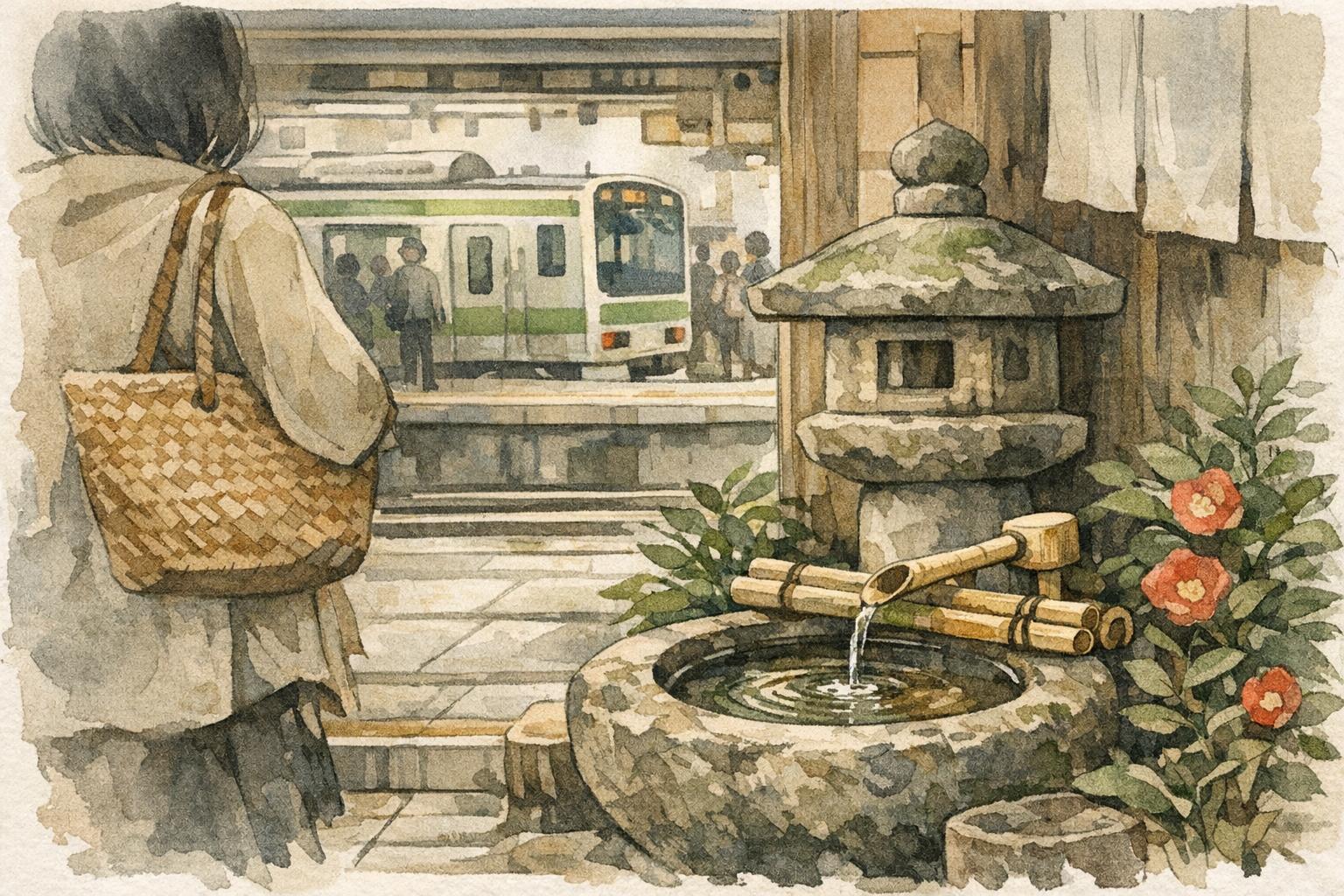
A closer look makes the pattern easier to read. Despite its size, Tokyo often becomes manageable because daily life narrows into familiar routes and neighborhood rituals. People return to the same station exits, corner shops, side streets, parks, and lunch counters until these repeated points create urban comfort. This repetition softens the city's abstract vastness and makes belonging possible without total mastery. The detail matters because it changes how the whole subject is understood.
There is also a social layer to notice. Tokyo residents often know their own district deeply while keeping only a partial map of the whole city. What looks natural usually depends on learned timing, repeated exposure, and a shared sense of what fits the situation.
Scale broken into routines
A local bakery or bathhouse can anchor memory more strongly than a famous landmark. That is how intimacy survives inside metropolitan scale. That is often the moment when the subject stops feeling abstract and starts feeling lived.
How place shapes rhythm
The city works through trains, signage, small-scale districts, convenience, and social restraint rather than through grand uniformity. Urban life in Japan is structured by transport, neighborhood identity, and subtle public expectations, so place often acts like a social teacher. This is one reason the topic tends to feel ordinary to people in Japan while seeming highly distinctive to outside observers.
Its organization lasts because Tokyo distributes intensity instead of gathering all energy into one chaotic center. Continuity here does not mean the form never changes. It means newer habits often settle on top of older ways of noticing, organizing time, and sharing space.
Memory in the street
If you want to follow the same thread from another angle, see What Makes Kyoto So Special? and Traditional and Modern Games in Japan. Placed beside one another, those essays show how one part of Japanese life opens into another.
Closing Reflection
Looking at Tokyo closely shows how order can emerge from repetition, etiquette, and strong local patterns rather than from silence alone. The topic fits naturally beside daily routine, work culture, and the contrast between Tokyo and more historically textured cities like Kyoto.
Read beside essays on cities, food, and everyday practice, the subject becomes part of a wider cultural pattern rather than a separate curiosity.
Another useful way to read this subject is to notice how often it appears without announcing itself. Tokyo is famous for speed, scale, and constant motion, yet many visitors are surprised by how readable and orderly the city still feels. That quiet familiarity is one reason the topic can feel deeper over time instead of becoming exhausted once the basic facts are known.
It also helps to place the topic in relation to nearby subjects rather than isolating it. The essays on What Makes Kyoto So Special? and Traditional and Modern Games in Japan show how the same cultural logic travels into adjacent parts of Japanese life.
Another useful way to read this subject is to notice how often it appears without announcing itself. Tokyo is famous for speed, scale, and constant motion, yet many visitors are surprised by how readable and orderly the city still feels. That quiet familiarity is one reason the topic can feel deeper over time instead of becoming exhausted once the basic facts are known.
It also helps to place the topic in relation to nearby subjects rather than isolating it. The essays on What Makes Kyoto So Special? and Traditional and Modern Games in Japan show how the same cultural logic travels into adjacent parts of Japanese life.