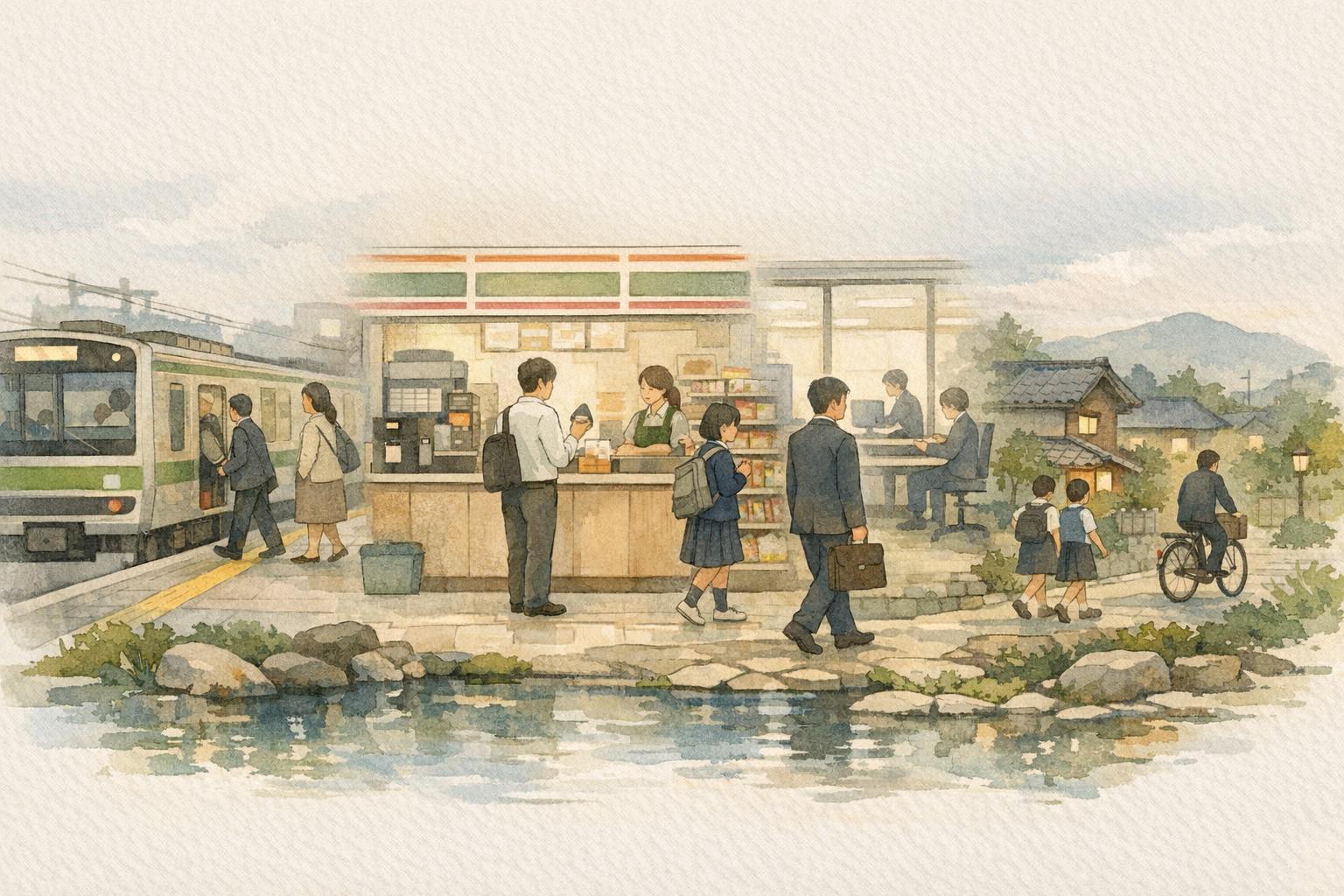
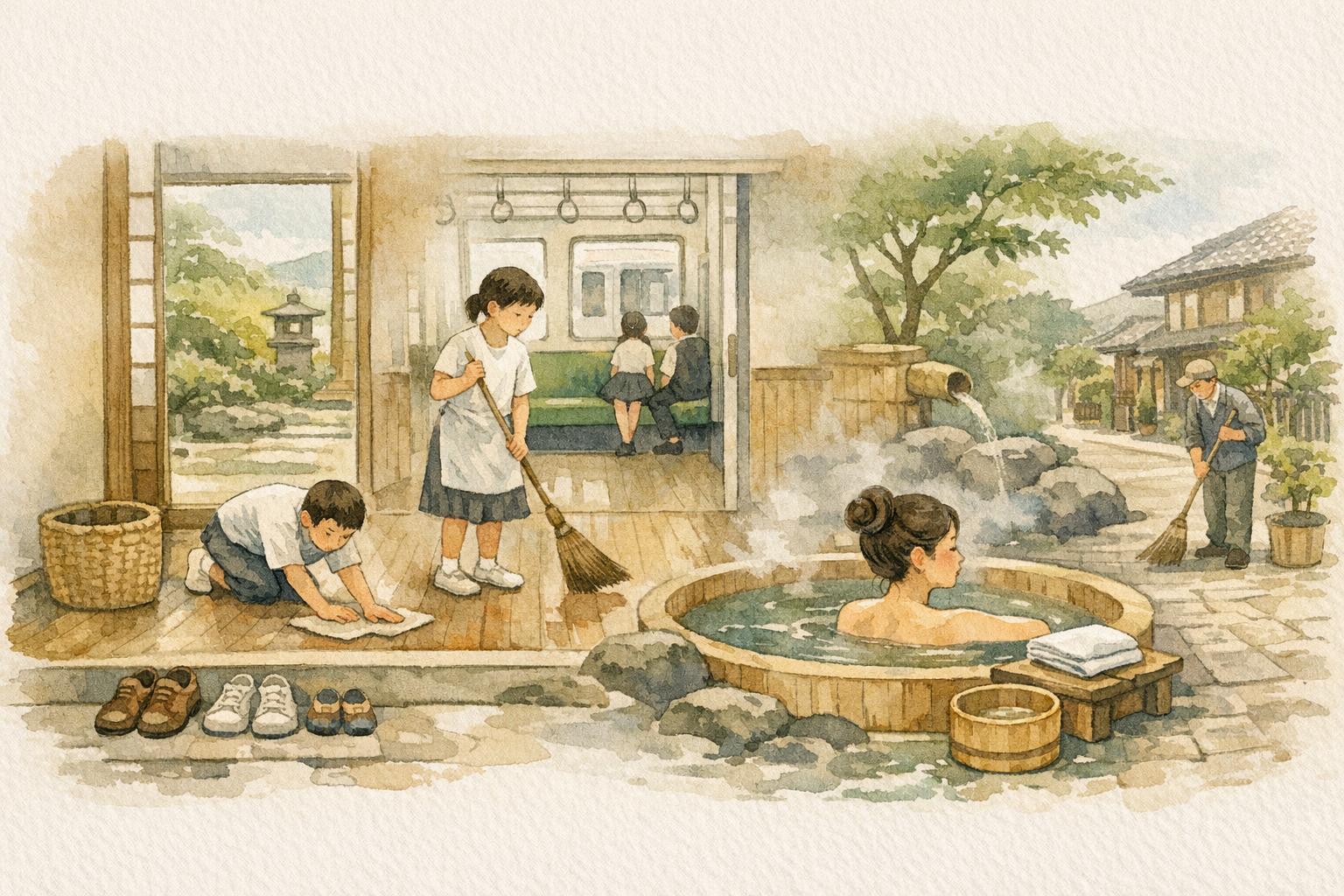
Japanese work culture is often discussed through extremes, yet the reality is a mix of long habits, changing expectations, and large differences between industries and generations. The subject matters because the myths can hide the ordinary mechanics of meetings, hierarchy, routine, and group responsibility that shape everyday work far more often than dramatic anecdotes. Looking closely at ordinary routines often explains more than a list of isolated facts.
In this article, the subject is treated as part of lived Japanese culture rather than as a decorative symbol. That means paying attention to timing, space, habit, and the emotional atmosphere that grows around repeated practice.
Why the stereotype became so strong
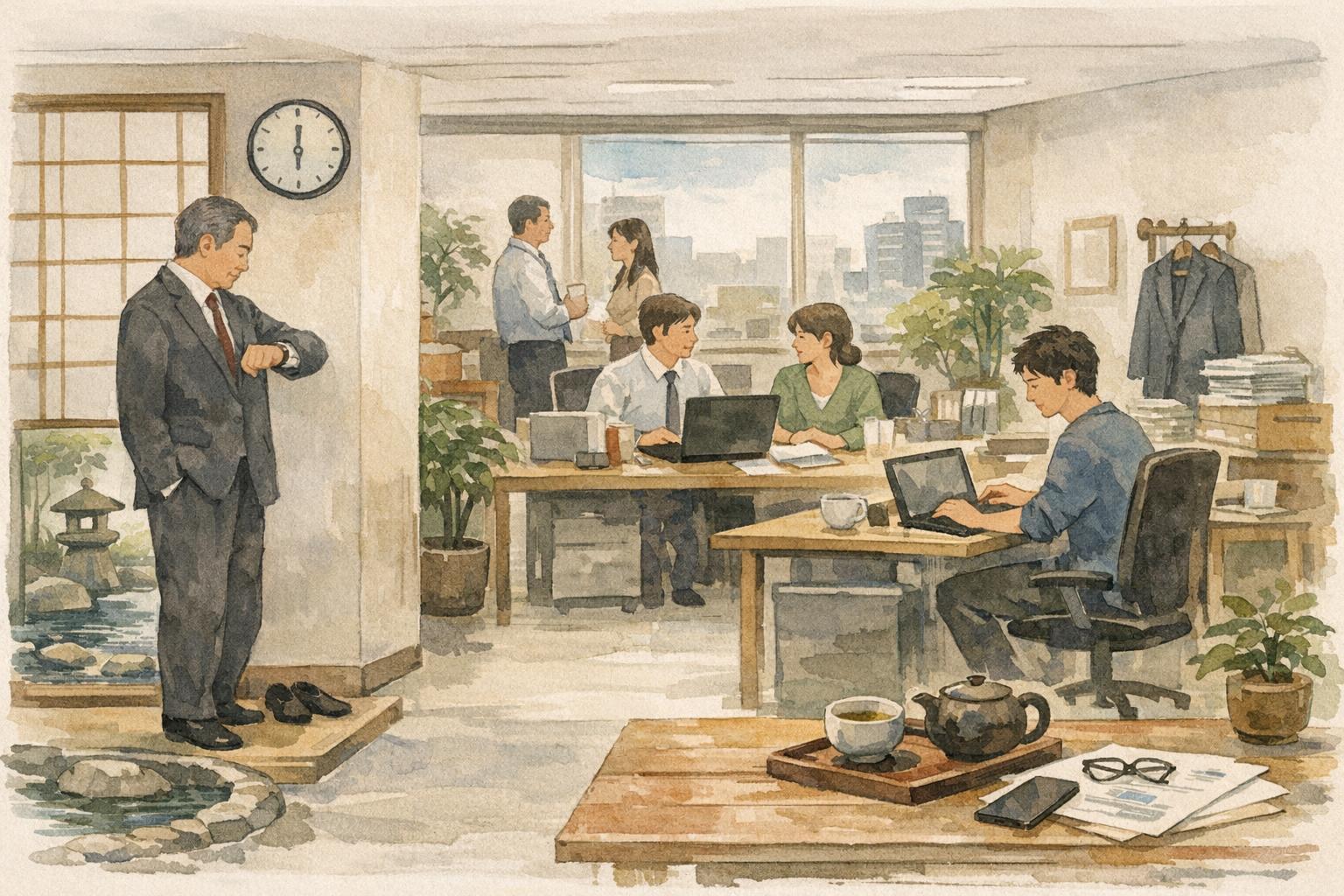
The clearest place to begin is with one practical fact. Japan's work culture gained a global reputation because loyalty, long hours, and corporate identity were once highly visible features of postwar growth. Those images were real enough to leave a mark, but they never described every company, profession, or generation in the same way. The danger of the stereotype is that it turns a varied working world into a single dramatic picture. This is where broad stereotypes usually become too thin.
There is also a social layer to notice. Reality becomes clearer when structure is separated from exaggeration. What looks natural usually depends on learned timing, repeated exposure, and a shared sense of what fits the situation.
Overwork is only part of the story
A large office in Tokyo, a design studio in Osaka, and a regional family business may all feel recognizably Japanese while still working very differently day to day. Broad myths often flatten the differences that matter most in lived experience. That is often the moment when the subject stops feeling abstract and starts feeling lived.
What still shapes work today
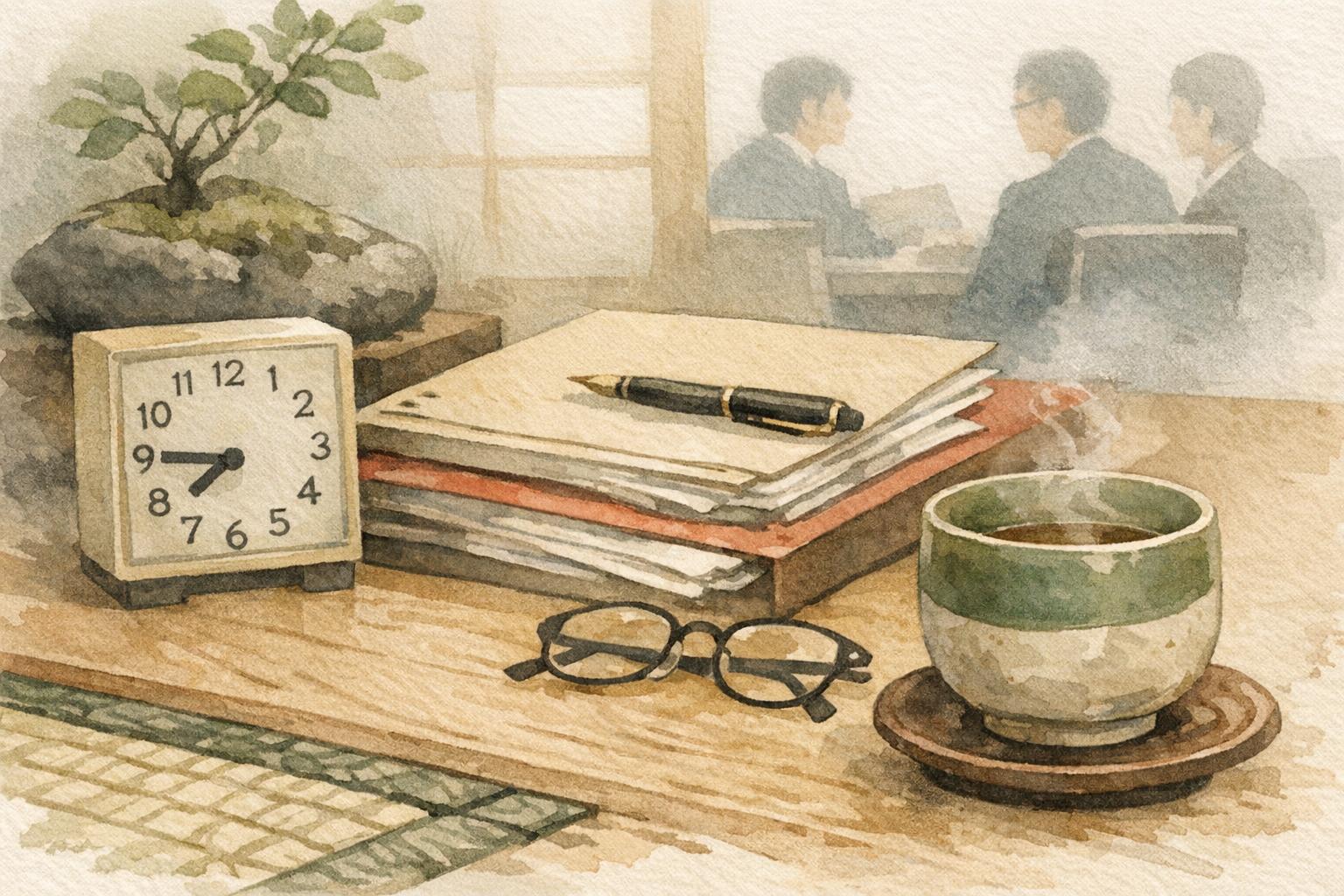
A closer look makes the pattern easier to read. Many Japanese workplaces still place strong value on punctuality, reporting lines, consensus, and awareness of group timing. Employees are often expected to anticipate needs, document progress, and avoid creating unnecessary friction for others. That can feel supportive in some contexts and constraining in others, depending on management style and workload. The detail matters because it changes how the whole subject is understood.
There is also a social layer to notice. The shared logic is less about blind obedience than about maintaining a smooth collective rhythm. What looks natural usually depends on learned timing, repeated exposure, and a shared sense of what fits the situation.
Coordination matters as much as ambition
A meeting may spend more time confirming alignment and next steps than rewarding one person's verbal confidence. Work culture often reflects a broader social preference for predictability and coordination. That is often the moment when the subject stops feeling abstract and starts feeling lived.
How the picture is changing
What matters first is the lived structure beneath the surface image. Remote work, changing family expectations, labor pressure, and younger workers' priorities have all pushed many companies to revise older habits. Yet change is uneven, and formal rules often shift faster than emotional expectations inside teams. That is why Japanese work culture today is best understood as a negotiation between older structures and newer demands. Seen that way, the topic moves from symbol to daily habit.
There is also a social layer to notice. The result is neither total continuity nor sudden transformation. What looks natural usually depends on learned timing, repeated exposure, and a shared sense of what fits the situation.
Reform does not erase habit overnight
Some offices now leave on time more often, but the pressure to read unspoken expectations can still remain strong. Cultural change often moves through mixed stages before it becomes fully visible from the outside. That is often the moment when the subject stops feeling abstract and starts feeling lived.
Habit, space, and adaptation
Office life in Japan still carries strong expectations around punctuality, coordination, and reading the atmosphere, but reform, labor shortages, and new priorities have altered the picture. Lifestyle habits in Japan often grow from practical constraints, yet they are refined until they also communicate care, self-control, and social awareness. This is one reason the topic tends to feel ordinary to people in Japan while seeming highly distinctive to outside observers.
The old image persists because some structures remain visible, even as many workplaces quietly change from within. Continuity here does not mean the form never changes. It means newer habits often settle on top of older ways of noticing, organizing time, and sharing space.
Ordinary routines
If you want to follow the same thread from another angle, see Daily Life in Japan: A Simple Routine Explained and Why Cleanliness Is So Important in Japan. Placed beside one another, those essays show how one part of Japanese life opens into another.
Closing Reflection
Looking closely at Japanese work culture means noticing both pressure and adaptation rather than repeating one simple stereotype. The topic connects naturally with commuting, daily routine, school clubs, and the broader cultural value placed on coordination in shared environments.
Read beside essays on cities, food, and everyday practice, the subject becomes part of a wider cultural pattern rather than a separate curiosity.